Rapid Reports Photo – Benjamin Harris
Supreme Court Gives Republicans Another Big Redistricting Victory
Democrats are confronting several political and legal challenges that could influence congressional elections over the coming years. Recent court decisions, ongoing redistricting efforts, and projected population shifts ahead of the 2030 Census are all expected to affect the balance of power in the U.S. House of Representatives.
____________________________________________________________
READ MORE: Doocy Provides Big Update on U.S.-Iran Conflict
____________________________________________________________
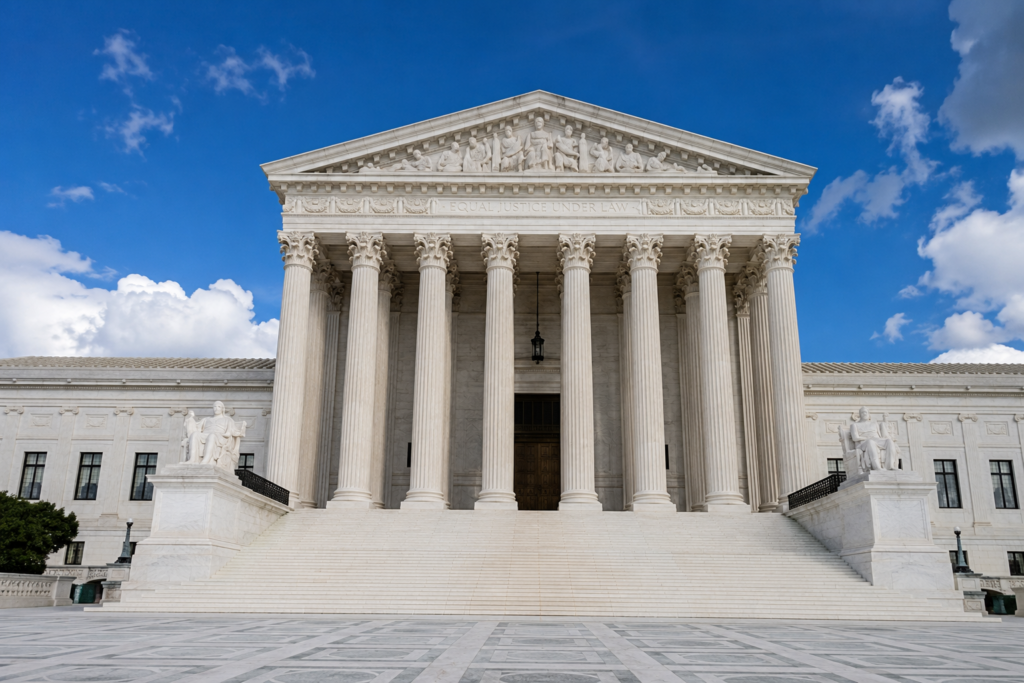
One major development came after a recent Supreme Court ruling involving congressional district maps and the use of race in redistricting decisions. The decision has prompted several Republican-led states, including Alabama, to revisit district boundaries ahead of future elections. Supporters of the ruling argue it reinforces constitutional standards, while critics believe it could reduce minority representation in Congress.
[poll id=”4″]
Republican lawmakers in states such as Texas and Florida have also pursued new district maps designed to strengthen their party’s electoral position. Political analysts note that redistricting efforts in both parties have become increasingly important as control of Congress remains closely contested.

At the same time, population trends are expected to play a major role in future political representation. Early projections for the 2030 Census suggest that some states with declining populations could lose congressional seats, while faster-growing states may gain additional representation. These demographic changes may influence both congressional districts and Electoral College totals in future presidential elections.
Economic concerns also remain central to the political debate ahead of the midterms. Rising costs related to housing, groceries, and fuel continue to shape voter priorities nationwide. Leaders from both major political parties are expected to focus heavily on inflation, affordability, and economic policy during upcoming campaigns.

Despite the political uncertainty, analysts say there is still significant time before the next major election cycle for parties to adjust their strategies and messaging. Redistricting battles, court rulings, economic conditions, and voter turnout will likely remain major factors shaping the political environment in the years ahead.

Benjamin Harris is a RapidReports front page contributor and editor,proud father of four.