Trump Moves Quickly to Strengthen National Security Team as Senate Republicans Fast-Track Key Nominee
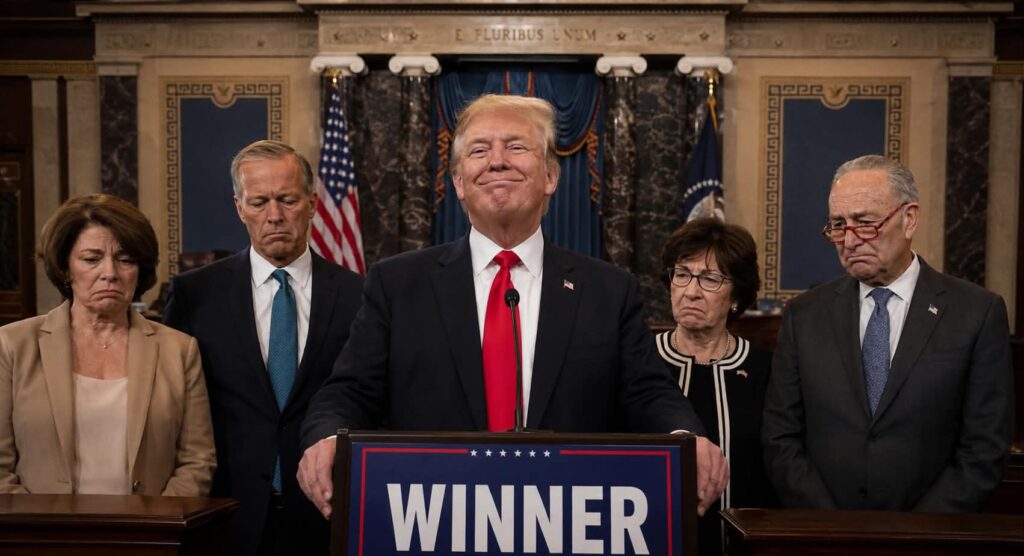
President Donald Trump is moving swiftly to strengthen America’s national security leadership, with Senate Republicans signaling they will work quickly to confirm his nominee for Director of National Intelligence.
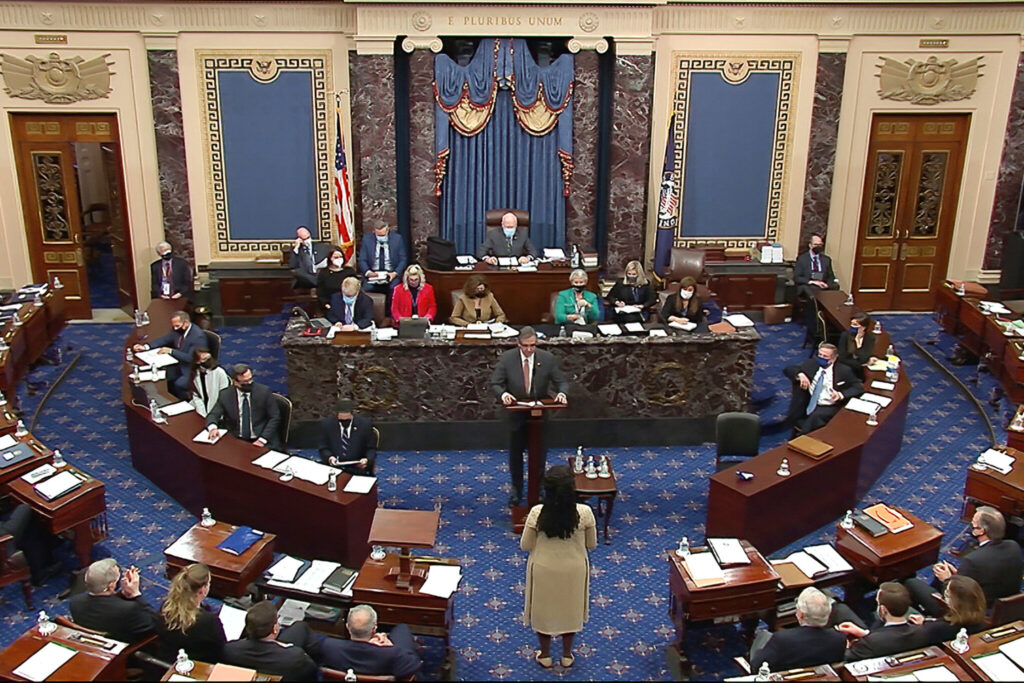
Senate Majority Leader John Thune indicated Thursday that Republicans intend to move the nomination process forward as rapidly as Senate rules allow, underscoring the administration’s focus on maintaining strong intelligence capabilities during a period of growing global challenges.
Republicans Get More Good News Ahead Of Midterms – Another Red State Congressional Map Upheld
“We’re going to move as quickly as we can,” Thune told reporters, emphasizing the importance of ensuring continuity in national security leadership.
Trump Selects Proven Leader for Intelligence Role
President Trump announced that he intends to nominate Jay Clayton, the current U.S. Attorney for the Southern District of New York, to serve as Director of National Intelligence.
Clayton is widely known for his leadership experience in both government and financial regulation. During Trump’s first term, he earned bipartisan support and was confirmed by the Senate to lead the Securities and Exchange Commission.
Supporters point to his track record managing complex investigations, combating financial crimes, and protecting American interests as key qualifications for the intelligence position.
The Senate Intelligence Committee has already scheduled a confirmation hearing, signaling a fast-moving process that could place Clayton in the role sooner rather than later.
Temporary Leadership Transition Underway
Trump also announced that Bill Pulte will serve as acting Director of National Intelligence during the transition period.
Pulte will step into the role following the departure of Director Tulsi Gabbard, who announced she is leaving government service to focus on family matters.
The administration has emphasized that the arrangement is temporary and intended to ensure uninterrupted leadership while Clayton’s nomination moves through the Senate.
President Trump praised Clayton as an exceptionally qualified choice and expressed confidence that the confirmation process would move efficiently.
National Security Remains a Top Priority
The nomination comes as lawmakers continue debating the future of Section 702 of the Foreign Intelligence Surveillance Act (FISA), a critical intelligence tool used to monitor foreign threats and terrorist activity.
Many Republicans argue that maintaining robust intelligence capabilities is essential as the United States prepares to host major international events, including the FIFA World Cup and America250 celebrations.
Supporters of reauthorization say intelligence agencies need every available tool to identify threats before they reach American communities.
Republican leaders have warned that allowing key intelligence authorities to expire could create unnecessary risks at a time when global security concerns remain elevated.
Senate Republicans Rally Behind Trump’s Agenda
Senate Intelligence Committee Chairman Tom Cotton strongly endorsed Clayton’s nomination, describing him as an outstanding choice to lead the nation’s intelligence community.
Republicans have increasingly framed the debate as part of a broader effort to strengthen national security, secure the border, combat foreign adversaries, and protect American citizens.
Supporters argue that Trump’s approach combines experienced leadership, strong intelligence operations, and a commitment to keeping the country safe.
Focus Turns to Senate Action
With the House failing to pass a temporary extension of Section 702, attention now shifts to the Senate as lawmakers return to Washington.
Republican leaders are expected to continue pushing for solutions that preserve national security capabilities while advancing President Trump’s broader America First agenda.
As the confirmation process begins, supporters view Clayton’s nomination as another step toward building a stronger intelligence apparatus focused on protecting American interests at home and abroad.
For the Trump administration, the message is clear: national security remains a top priority, and the White House is moving aggressively to ensure the country has experienced leadership in place to meet the challenges ahead.

Benjamin Harris is a RapidReports front page contributor and editor,proud father of four.