House Speaker Mike Johnson is throwing his support behind a growing Republican effort to formally expunge President Donald Trump’s two impeachments, arguing that years of investigations, legal reviews, and newly released information have strengthened concerns that the proceedings were driven more by politics than constitutional necessity.
Johnson revealed that he has discussed the proposal directly with President Trump as well as several prominent constitutional scholars and legal experts, including attorney Jay Sekulow and Harvard Law professor emeritus Alan Dershowitz.
The effort comes as Republicans continue reviewing evidence tied to the impeachment investigations, with supporters arguing that many of the claims used to justify the proceedings have not held up under years of scrutiny.
“The more information Americans see, the more questions they have about how these impeachments were conducted,” Johnson said. “Many people believe they were partisan actions designed to damage a political opponent rather than uphold the Constitution.”
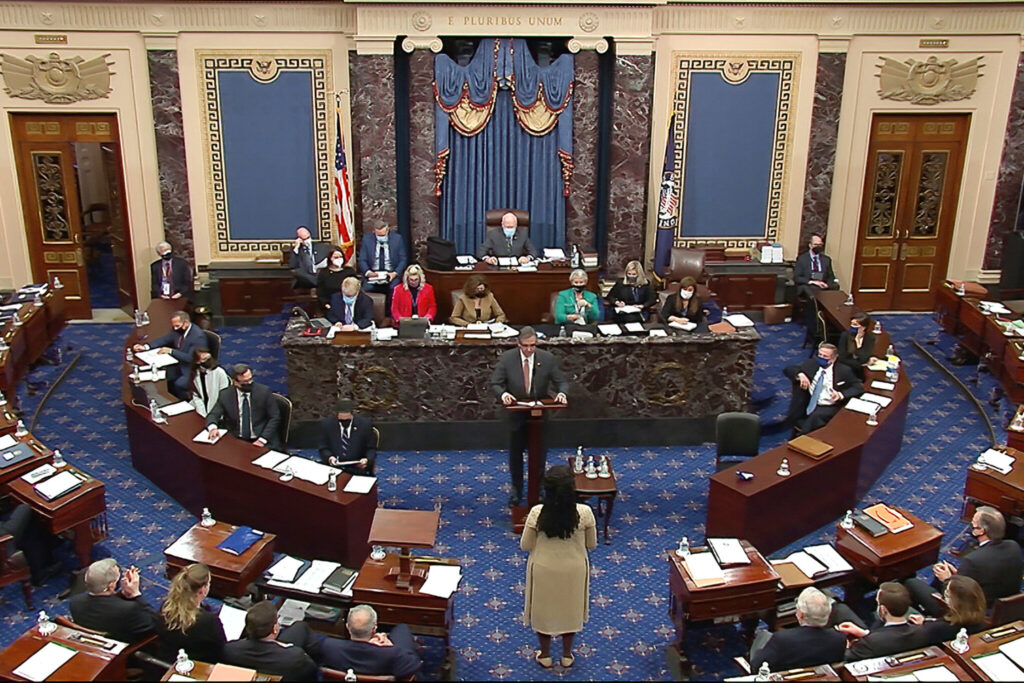
President Trump remains the only president in U.S. history to be impeached twice and acquitted by the Senate both times.
The first impeachment centered on allegations involving Ukraine during Trump’s first term. After a lengthy Senate trial, lawmakers voted to acquit the president on all charges.
The second impeachment followed the events of January 6, 2021. Once again, the Senate failed to reach the threshold required for conviction, resulting in a second acquittal.
Supporters of the expungement effort argue that the Senate’s decisions, combined with subsequent investigations and disclosures, justify congressional action to formally reject what they view as politically motivated impeachment campaigns.
The proposal has gained renewed attention as Republicans continue examining intelligence materials, witness testimony, and government records related to both impeachment proceedings.
Legal experts remain divided over whether Congress possesses the authority to expunge impeachments from the historical record. Some constitutional scholars believe Congress can adopt resolutions expressing its official position on prior actions, while others argue that impeachment votes remain permanently recorded regardless of future legislative action.
Dershowitz has suggested that Congress may have grounds to revisit the issue if lawmakers determine that key facts surrounding the impeachments were incomplete, inaccurate, or politically influenced.
Even if an expungement resolution carries no direct legal effect, supporters believe it would serve as a powerful statement acknowledging what they view as years of partisan attacks against President Trump.
The debate also comes as Trump continues to challenge multiple legal actions brought against him over the past decade while maintaining strong support among Republican voters nationwide.
For many conservatives, the effort represents more than a symbolic vote. They see it as an opportunity to reaffirm the Senate’s acquittals and push back against what they believe were politically driven attempts to undermine Trump’s presidency and legacy.
As Republicans prepare for additional hearings and investigations, the push to expunge the impeachments is expected to become a major issue on Capitol Hill and could reignite national debate over executive authority, congressional oversight, and the political battles that defined much of Trump’s first term.
With President Trump continuing to dominate the national political landscape, supporters argue that revisiting the impeachment record is part of a broader effort to ensure history accurately reflects the outcomes of the Senate trials and the evidence that has emerged since.

Benjamin Harris is a RapidReports front page contributor and editor,proud father of four.