U.S. Maintains Pressure on Iran as Maritime Blockade Stays in Effect Ahead of Peace Agreement
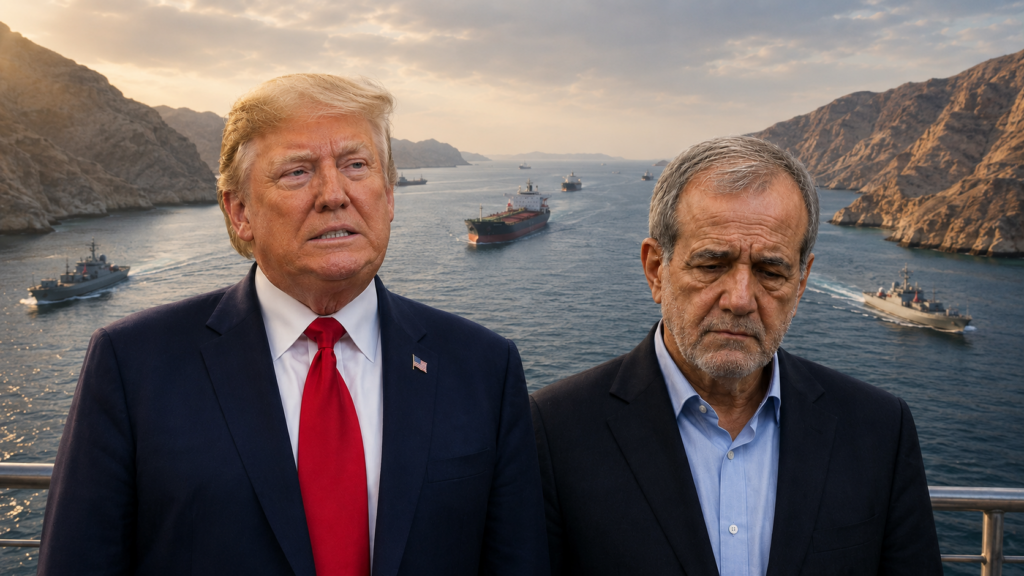
The United States and its allies are maintaining strict maritime restrictions on Iranian ports as officials prepare for the formal signing of a proposed peace agreement aimed at ending months of escalating tensions in the Middle East.
According to a maritime advisory circulated to commercial shipping operators, restrictions on vessel traffic connected to Iranian ports remain in place until the agreement is officially finalized.
U.S. benchmark West Texas Intermediate crude fell more than 6%, while international benchmark Brent crude also posted significant declines during trading. Energy traders have been closely monitoring developments involving Iran and the Strait of Hormuz, a key shipping route that plays a major role in global oil transportation.
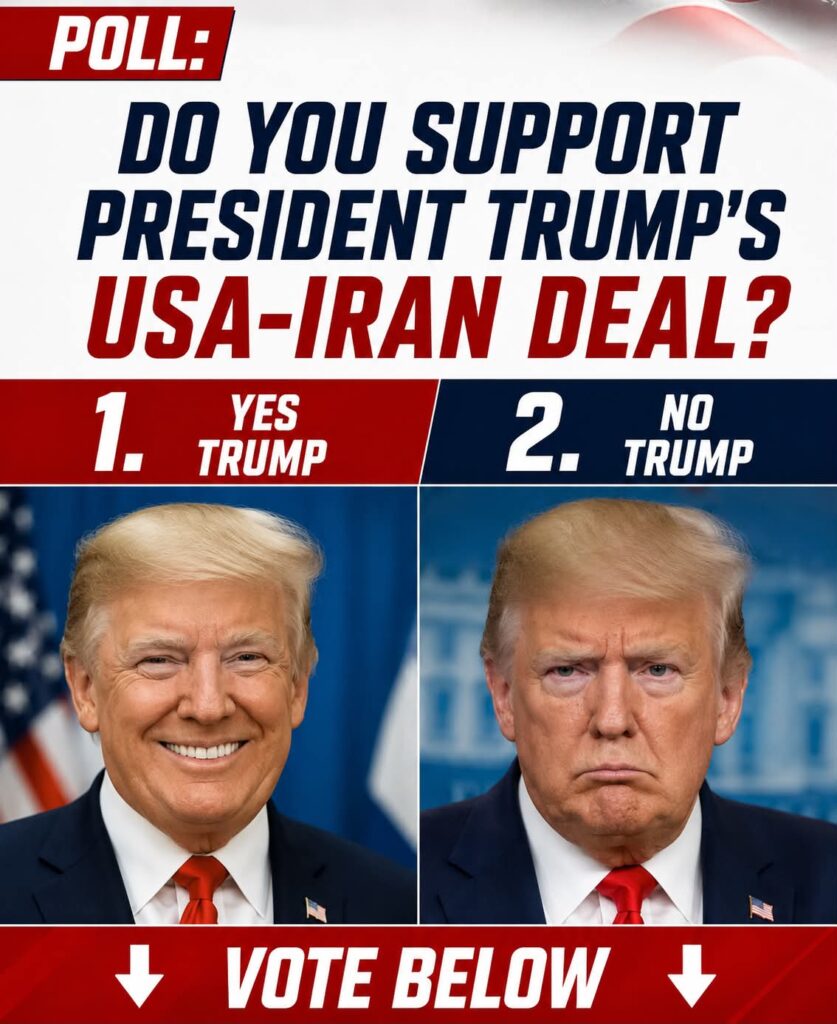
[poll id=”4″]
The notice warned commercial vessels to avoid attempting entry into restricted areas and to follow all instructions issued by military authorities operating in the region.
Strategic Waterways Remain Under Close Monitoring
The advisory highlighted several key maritime corridors, including the Strait of Hormuz, one of the world’s most important energy transit routes.
Officials indicated that heightened security measures remain necessary until the diplomatic process is completed and both parties formally implement the terms of the agreement.
Commercial shipping companies have been urged to exercise caution and monitor official guidance as conditions continue to evolve.
Peace Through Strength Strategy
Supporters of the administration argue that maintaining pressure while negotiations proceed has helped strengthen America’s position and encouraged diplomatic progress.
The current approach combines military deterrence, economic pressure, and direct negotiations in an effort to achieve long-term regional stability while protecting U.S. interests and allies.
Administration officials have repeatedly emphasized that security measures will remain in place until all conditions of the agreement are satisfied.
Global Markets Watching Closely
Energy markets and international shipping companies are monitoring developments closely due to the strategic importance of Gulf shipping routes.
Any disruption involving major maritime corridors can have significant implications for global trade, energy prices, and international supply chains.
Analysts say the successful implementation of a peace agreement could help reduce uncertainty and improve stability across the region.
What Happens Next?
Negotiators are expected to finalize the agreement in the coming days, potentially opening the door to reduced military tensions and the gradual restoration of normal commercial shipping activity.
Until then, maritime operators are being advised to remain cautious and comply with all official security directives.
Key Takeaways
- Maritime restrictions connected to Iranian ports remain in effect pending a proposed peace agreement.
- Security operations continue across key regional shipping routes.
- Officials say restrictions will remain until diplomatic commitments are formally implemented.
- Energy markets and global shipping firms are closely monitoring developments.
- Supporters view the strategy as an example of peace through strength and strategic deterrence.
Reader Question
Do you believe maintaining economic and military pressure during negotiations strengthens America’s bargaining position, or should restrictions be eased earlier to encourage diplomatic progress?

Benjamin Harris is a RapidReports front page contributor and editor,proud father of four.