Trump-Led Peace Effort Faces New Challenge as Middle East Tensions Complicate U.S.-Iran Talks
A major diplomatic initiative aimed at reducing tensions in the Middle East has encountered a new obstacle after renewed military activity in Lebanon complicated ongoing discussions between the United States and Iran.
The latest round of negotiations, expected to take place in Switzerland, has reportedly been delayed as regional developments raise fresh questions about the future of a recently announced framework agreement designed to promote stability, protect global energy markets, and reduce the risk of broader conflict.
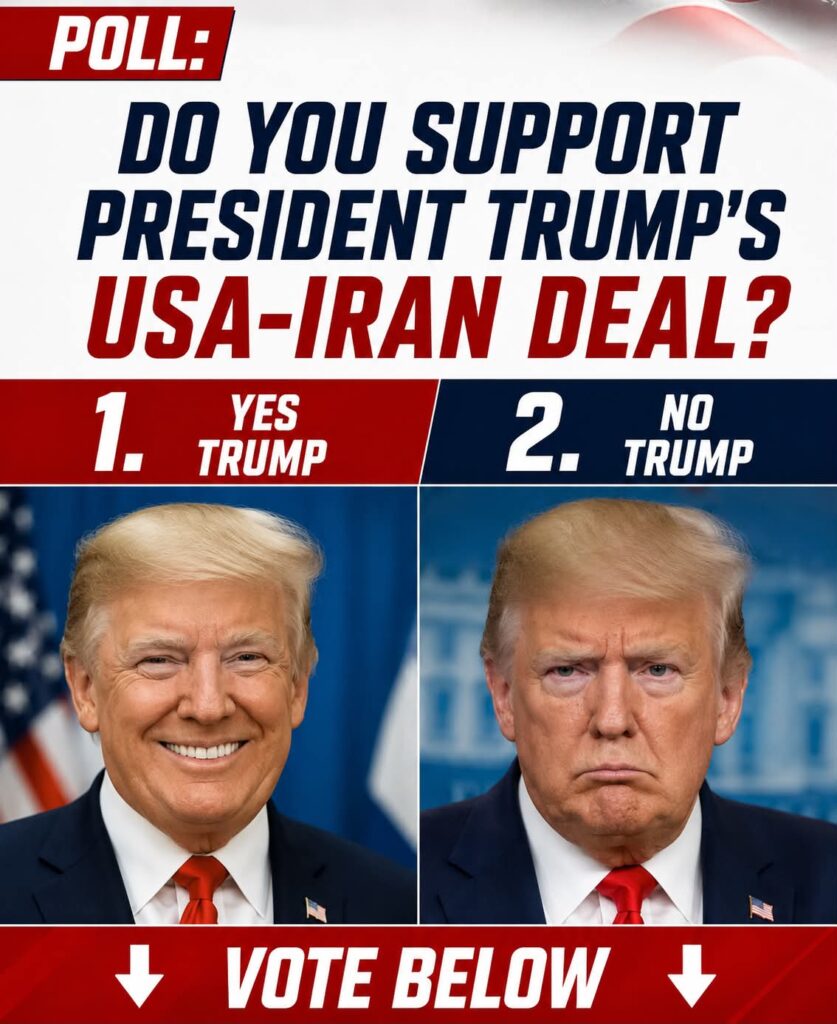
[poll id=”4″]
The situation highlights the challenges facing international diplomacy in one of the world’s most strategically important regions.
Regional Security Concerns Take Center Stage
According to reports, Iranian officials have expressed concerns about developments in Lebanon and are seeking assurances that conditions outlined in the recently signed agreement will be upheld before moving forward with additional talks.
Diplomatic sources indicate that mediators are actively working to bridge differences and keep negotiations on track.
The discussions come at a critical moment for global markets, as policymakers and investors closely monitor developments that could affect energy supplies, shipping routes, and international trade.
Energy Markets Watching Closely
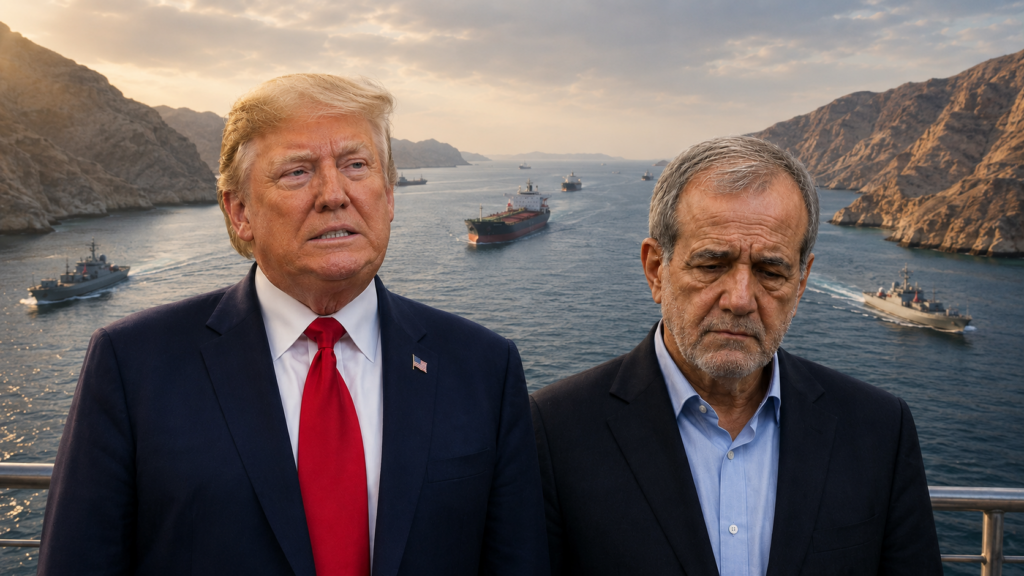
One of the most significant elements of the ongoing negotiations involves the future of the Strait of Hormuz, one of the world’s most important maritime trade corridors.
The waterway serves as a vital route for global energy shipments and plays a key role in international oil and natural gas markets.
Any uncertainty surrounding access to the region has the potential to impact energy prices, supply chains, and economic stability worldwide.
Market analysts say maintaining open shipping lanes remains a top priority for governments and businesses across the globe.
Trump Administration Prioritizes Stability
The Trump administration has consistently emphasized the importance of regional stability, secure energy supplies, and preventing wider conflict.
Officials have stated that the United States remains prepared to continue diplomatic efforts aimed at reducing tensions while protecting American interests and supporting long-term security objectives.
The administration’s broader strategy focuses on balancing strong national security policies with diplomatic engagement designed to prevent escalation.
Supporters argue that maintaining leverage while pursuing negotiations remains essential to achieving lasting results.
Lebanon Emerges as a Key Issue
While negotiations have centered on broader regional concerns, Lebanon has become an increasingly important factor in discussions between Washington and Tehran.
Diplomatic observers note that developments in the country could influence the pace and direction of future talks.
The challenge facing negotiators is finding a path forward that addresses security concerns while preserving momentum toward a more comprehensive agreement.
Experts warn that achieving lasting stability in the region will require cooperation among multiple stakeholders with competing interests.
Global Economic Impact Remains a Concern
Beyond the immediate diplomatic implications, developments in the Middle East continue to carry significant economic consequences.
Financial markets, energy companies, shipping firms, and multinational businesses are closely monitoring the situation for signs of potential disruption.
The region remains a critical hub for global trade, making stability a priority not only for governments but also for investors and industry leaders.
Analysts say successful negotiations could help reduce uncertainty and strengthen confidence in international markets.
What’s Next?
Despite the reported delay, officials indicate that diplomatic channels remain open and discussions could resume in the coming days if conditions improve.
The White House has emphasized that American negotiators remain ready to participate and continue working toward a framework that advances security, economic stability, and long-term peace.
For now, attention remains focused on whether regional tensions can be contained and whether negotiators can keep a fragile diplomatic process moving forward.
The outcome could have major implications for global energy markets, international security, and the future of U.S. policy in the Middle East.

Benjamin Harris is a RapidReports front page contributor and editor,proud father of four.