Global Shipping Rebounds as Trump-Brokered Agreement Reopens Critical Oil Route
Commercial shipping traffic through the strategically important Strait of Hormuz is beginning to recover following a breakthrough agreement between the United States and Iran aimed at restoring stability to one of the world’s most important energy corridors.
Industry tracking data showed a noticeable increase in vessel activity shortly after the agreement was signed, marking an encouraging sign for global energy markets, international trade, and supply chain stability.
[poll id=”4″]
The development comes after months of disruptions that raised concerns among investors, energy producers, shipping companies, and governments worldwide.
A Key Victory for Global Trade
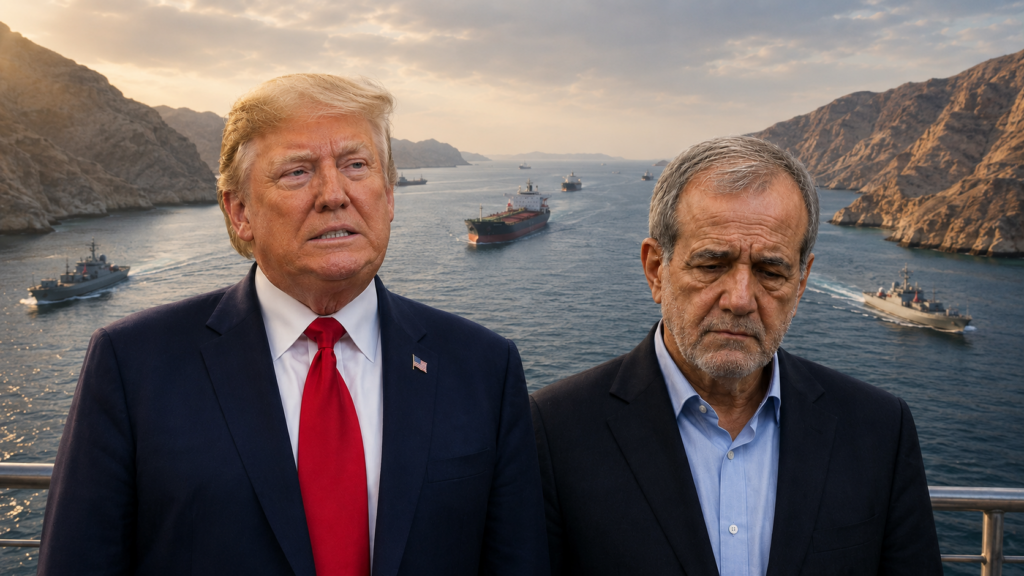
The memorandum of understanding (MOU), signed by President Donald Trump and Iranian President Masoud Pezeshkian, includes provisions designed to reopen the Strait of Hormuz to commercial traffic and reduce tensions across the region.
The agreement represents a significant diplomatic achievement, particularly given the vital role the waterway plays in global commerce.
Often described as one of the world’s most important maritime chokepoints, the Strait of Hormuz serves as a critical gateway for international energy shipments and supports a substantial portion of global oil exports.
Analysts say restoring normal operations is essential for maintaining energy security and supporting economic growth worldwide.
Shipping Activity Begins to Recover
Data from maritime tracking services showed commercial vessels once again moving through the region following the announcement.
While current traffic levels remain below historical norms, industry experts view the increase as an important early indicator that confidence may be returning to international shipping markets.
Prior to the disruption, the Strait of Hormuz regularly handled more than 100 vessels per day, connecting major energy producers with customers across Asia, Europe, and North America.
Recent months saw traffic decline dramatically as uncertainty and security concerns led many shipping companies to alter routes or delay transit plans.
The latest increase suggests that businesses are beginning to reassess those decisions as stability improves.
Energy Markets Watching Closely
The reopening of the waterway is attracting significant attention from energy traders, financial markets, and global policymakers.
Because the Strait of Hormuz serves as a major transportation route for crude oil and natural gas, even small changes in shipping activity can influence energy prices and market sentiment.
Experts believe a sustained increase in vessel traffic could help ease supply concerns and improve market confidence in the weeks ahead.
Lower transportation risks may also contribute to greater predictability for businesses that depend on stable energy supplies.
Economic Benefits Extend Beyond Energy
The impact of renewed shipping activity extends well beyond the oil sector.
Global supply chains rely heavily on efficient maritime transportation, making the reopening important for manufacturers, exporters, retailers, and consumers around the world.
As shipping volumes gradually recover, economists expect broader benefits for international trade and commercial activity.
Industry leaders note that reducing uncertainty is often one of the most important factors in encouraging investment and long-term business planning.
Confidence Expected to Build
While experts caution that a full return to pre-conflict traffic levels may take time, expectations are growing that vessel activity will continue increasing as shipping companies gain confidence in the security environment.
Insurance providers, logistics firms, and cargo operators are expected to closely monitor developments during the coming weeks.
Many analysts believe daily transit volumes could rise significantly as operational backlogs are cleared and commercial schedules return to normal.
A Step Toward Long-Term Stability
Supporters of the agreement argue that reopening one of the world’s most important trade routes demonstrates the value of diplomacy backed by strong leadership and clear economic priorities.
The accord also establishes a framework for additional negotiations over the next 60 days, providing an opportunity to address broader regional issues while supporting continued economic recovery.
For global markets, the early signs of renewed shipping activity offer a positive signal that stability may be returning to a region that plays a critical role in international energy and trade.
As commercial traffic continues to increase, investors and policymakers alike will be watching closely to see whether the agreement delivers lasting benefits for global commerce, energy security, and economic growth.

Benjamin Harris is a RapidReports front page contributor and editor,proud father of four.