Rand Paul’s Committee Holds Anthony Fauci in Contempt After 111 Fifth Amendment Invocations
[poll id=”4″]
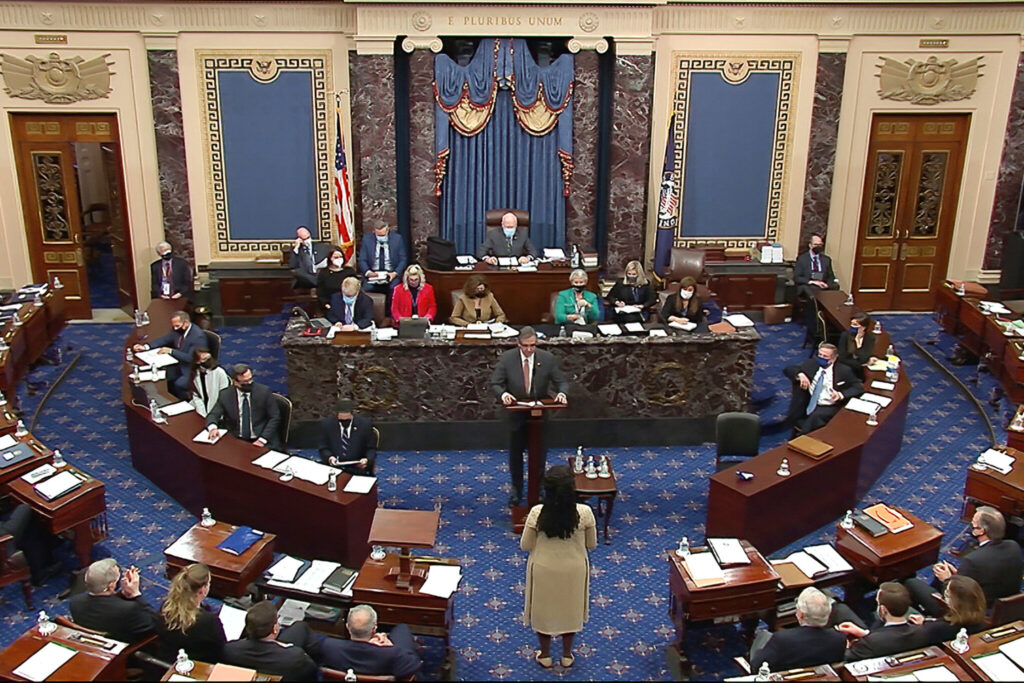
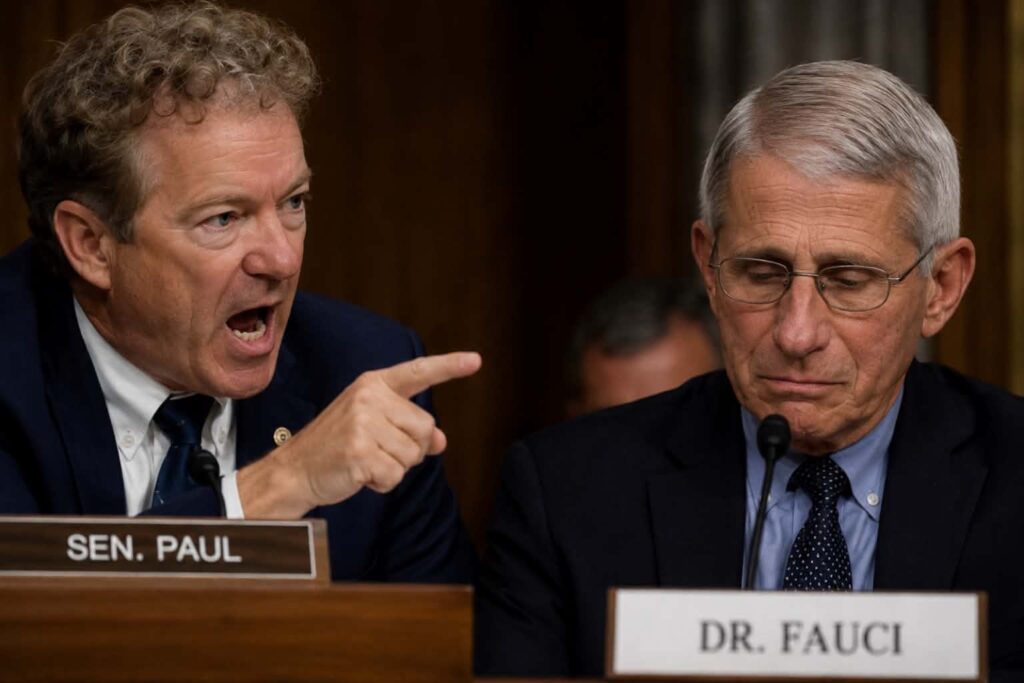
Senator Rand Paul has spent years pressing for accountability from former National Institute of Allergy and Infectious Diseases Director Dr. Anthony Fauci. On Thursday, that effort produced a concrete result. Paul’s Senate committee voted along party lines to hold Fauci in contempt of Congress after the longtime public health official invoked the Fifth Amendment 111 times during his appearance earlier in the week.
The Kentucky Republican opened the vote by underscoring a simple point: Fauci had already received a preemptive presidential pardon from Joe Biden in January 2025. With legal exposure removed by that last-minute action, Paul argued there was no remaining justification for refusing to answer questions under oath. “All he had to do was tell the truth,” Paul said. He added that another pandemic is inevitable and that the time to examine past mistakes and craft legislative reforms is now, not after the next crisis arrives.
A Pattern of Resistance and Selective Memory
Fauci’s decision to remain silent on a wide range of topics frustrated Republican members who have long sought clarity on the origins of COVID-19, the funding of research at the Wuhan Institute of Virology, and the scientific and policy decisions that shaped the American response. For years, critics have argued that Fauci’s public statements and private communications did not always align, particularly regarding the lab-leak hypothesis and gain-of-function research. The contempt vote represents the committee’s formal response to what it views as continued obstruction.
Democrats on the panel rejected that framing. Senator Gary Peters of Michigan described the investigation as one-sided from the start, claiming the minority had been excluded from witness interviews and that records were selectively released to support conclusions the chairman had reached years earlier. Paul has repeatedly disputed those characterizations. He has pointed out that Democrats largely declined to engage in a serious examination of the issues and that a public website maintained by the committee, which posted the evidence uncovered during the probe, was never accessed by a single Democrat.
The Pardon That Changed the Calculus
The January 2025 pardon issued by President Biden fundamentally altered the legal landscape for Fauci. By granting protection against potential federal charges related to his official actions, the pardon removed the primary risk that normally justifies invoking the Fifth Amendment. Paul and other Republicans argued that the combination of a blanket pardon and subsequent silence under oath left the public without answers on matters of enduring national importance.
Those matters include the decision-making process around early COVID treatments, school closures, mask mandates, vaccine messaging, and the suppression of alternative scientific viewpoints. They also include questions about federal funding that flowed to research institutions connected to the Wuhan lab. Paul has maintained that understanding these decisions is essential if policymakers hope to avoid repeating the same errors when the next novel pathogen emerges.
Why Accountability Still Matters
Public health agencies wield enormous power during emergencies. The COVID-19 pandemic demonstrated both the necessity of rapid response and the dangers of concentrated authority insulated from oversight. When officials later refuse to answer basic questions about their actions—even after receiving legal protection—the public is left to fill the vacuum with speculation and distrust. Paul’s committee has sought to close that gap by creating a public record and forcing a formal response from the official who sat at the center of the federal effort.
The party-line nature of the contempt vote was predictable. Democrats have consistently treated inquiries into pandemic origins and decision-making as politically motivated attacks rather than legitimate oversight. Republicans, for their part, view the refusal to cooperate as confirmation that key questions remain unanswered. The practical effect is that the contempt citation now advances, adding formal weight to the committee’s findings and keeping the issue alive for future legislative consideration.
Preparing for the Next Pandemic
Paul used the moment to emphasize forward-looking reforms. He stressed that another pandemic will arrive and that the window for corrective legislation is open now. Potential reforms include clearer rules on gain-of-function research, greater transparency in grant-making, independent review of major public health recommendations, and stronger protections for scientific dissent. Without such changes, the same institutional dynamics that produced confusion and eroded trust during COVID-19 risk repeating themselves.
Fauci’s long tenure and the extraordinary authority he exercised during the pandemic made him a natural focus of these efforts. Whether one regards him as a dedicated public servant or as a symbol of bureaucratic overreach, the refusal to answer questions after receiving a presidential pardon left little room for compromise. The committee’s vote formalizes that assessment.
A Clear Signal on Oversight
The contempt finding is not the end of the story. It is a procedural step that keeps pressure on the need for answers and reinforces the principle that high-ranking officials remain accountable to Congress even after leaving office. For Paul and his colleagues, the larger goal remains institutional reform so that future crises are met with greater transparency, better scientific debate, and clearer lines of responsibility.
The American public lived through years of shifting guidance, school disruptions, economic dislocation, and contested scientific claims. Many still want a fuller accounting of how those decisions were made and what role federal funding and research priorities played in the origins of the virus. By advancing the contempt citation, Rand Paul’s committee has refused to treat those questions as closed. The vote sends a straightforward message: when officials are protected from legal consequences, they still owe the public the truth.

Benjamin Harris is a RapidReports front page contributor and editor,proud father of four.