Declassified FBI Files Renew Scrutiny of Eric Swalwell’s Relationship With Chinese National Christine Fang
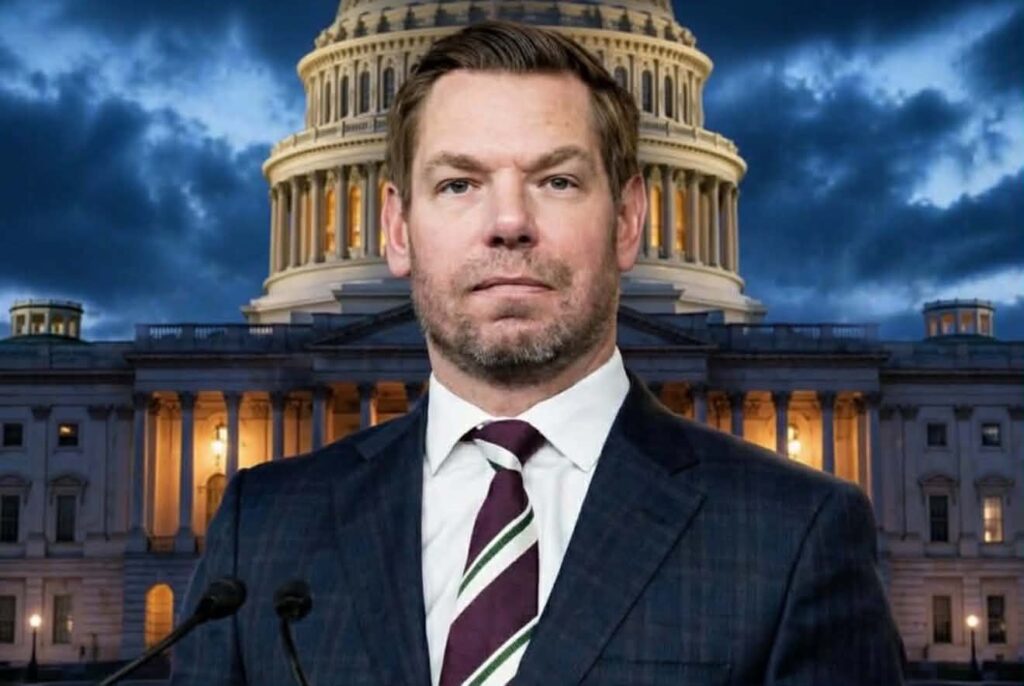
Newly released FBI documents are renewing scrutiny of former Rep. Eric Swalwell and his past relationship with Christine Fang, a Chinese national who was investigated by U.S. authorities over suspected intelligence-related activities.
The declassified records reportedly provide additional details about the FBI’s investigation, including an account in which Swalwell acknowledged to investigators that he had a personal and sexual relationship with Fang.
The documents have reignited questions about Swalwell’s interactions with Fang during his early years in Congress, particularly because he later became a prominent member of the House Intelligence Committee and a vocal advocate for investigating foreign influence in American politics.
The records, however, do not establish that Swalwell knowingly participated in a Chinese intelligence operation or committed a crime. Swalwell has previously denied knowing that Fang was connected to Chinese intelligence and has said he cooperated with federal investigators.
FBI Files Detail Swalwell’s Relationship With Fang
According to newly released FBI records, investigators questioned Swalwell about his relationship with Fang, who was also known as Fang Fang.
The documents reportedly state that Swalwell acknowledged having sexual encounters with Fang during the period when she was active in political and academic circles in California.
One account described in the records involves Fang appearing at Swalwell’s residence, where the two allegedly had a sexual encounter.
The disclosure provides additional detail about a relationship that first became publicly known in 2020, when reports revealed that Fang had developed connections with several American politicians and political organizations.
Who Was Christine Fang?
Fang became the subject of U.S. counterintelligence scrutiny because of her alleged connections to China’s intelligence apparatus.
According to reporting based on the newly declassified records, the FBI investigated whether Fang was attempting to develop relationships with American political figures as part of an influence operation.
Fang reportedly became involved with local political organizations, cultivated relationships with politicians and helped facilitate internships and political fundraising connections.
The FBI’s investigation examined whether those activities represented an effort to gain access or influence within American political institutions.
Authorities have not publicly charged Fang with espionage in connection with the case.
Campaign Contributions Were Also Examined
The newly released documents reportedly contain information about campaign-finance activity involving people associated with Fang.
Investigators examined allegations that illegal foreign contributions were routed through U.S. citizens who acted as intermediaries, potentially concealing the original source of the money.
The FBI also examined political contributions associated with Swalwell’s campaigns and whether Fang had played a role in facilitating them.
The distinction is important: the existence of an FBI investigation or allegations contained in investigative records does not establish that Swalwell personally knowingly accepted illegal contributions.
The newly released material reportedly shows that investigators examined possible campaign-finance violations as part of the broader case.
Internships Raised Additional Questions
Fang’s interactions with American politicians also included recommendations involving internships.
According to the documents, she referred individuals for internships connected to Swalwell’s political campaign and congressional office.
Investigators considered whether those referrals could have been connected to political contributions or other benefits.
The FBI reportedly explored whether the relationships represented a potential quid pro quo arrangement.
Again, the investigative theory does not by itself establish that Swalwell knowingly participated in an improper exchange.
FBI Opened a Formal Investigation
The FBI eventually opened a formal investigation examining Fang’s activities and her connections to Swalwell.
The investigation reportedly considered potential violations involving campaign finance, foreign influence and possible bribery-related conduct.
Swalwell was initially treated as a subject of the investigation, according to reporting based on the newly released records.
After investigators interviewed him, however, the focus shifted away from Swalwell and toward Fang’s activities.
The documents therefore add detail to a controversy that has surrounded Swalwell for years but do not show that he was ultimately charged with a crime arising from the investigation.
Fang Left the United States
The FBI’s investigation was complicated by Fang’s departure from the United States.
She eventually returned to China after becoming aware that U.S. authorities were investigating her activities.
With Fang outside the country, prosecutors faced significant obstacles in pursuing a potential criminal case.
The investigation ultimately did not result in criminal charges against Swalwell.
Swalwell’s Position Has Remained That He Was Not Aware of Fang’s Alleged Activities
Swalwell has previously said that he was unaware of Fang’s alleged connections to Chinese intelligence while he knew her.
His office has maintained that he cooperated with investigators and reported the relationship to the FBI when he learned that she was under suspicion.
Swalwell’s defenders have pointed to the fact that investigators ultimately did not charge him in connection with Fang.
Critics, meanwhile, have argued that his relationship with someone under counterintelligence suspicion raised serious judgment and national-security questions, particularly given his later role on the House Intelligence Committee.
House Intelligence Committee Membership Added to the Controversy
Swalwell’s relationship with Fang attracted particular attention because of his position on the House Intelligence Committee.
The committee deals with highly sensitive national-security matters and classified intelligence.
Republicans repeatedly criticized Swalwell over the relationship and questioned whether he should continue serving on the panel.
The controversy remained politically contentious for years.
Swalwell ultimately left the House in 2026 after resigning amid separate allegations of sexual misconduct, which he has denied.
Swalwell Resigned From Congress in 2026
Swalwell resigned from Congress in April 2026 following allegations of sexual misconduct and sexual assault involving several women.
He denied the allegations and said he would fight what he described as false accusations.
The House Ethics Committee had opened an investigation into the allegations before his resignation. The committee explicitly stated that the existence of an investigation did not itself establish that any violation had occurred.
Swalwell also suspended his campaign for California governor amid the allegations.
His congressional resignation became effective in April, leaving a vacant seat that is now the subject of a special election.
New Documents Add to an Old Political Controversy
The release of the FBI records has revived a controversy that first became a major national story several years ago.
At the center of the debate is the question of how much Swalwell knew about Fang’s activities and whether his relationship with her created a national-security vulnerability.
The newly released documents provide more information about what investigators knew and what Swalwell told them.
They do not, however, establish that Swalwell was a Chinese agent or that he knowingly assisted Chinese intelligence.
That distinction is particularly important when evaluating allegations contained in investigative files.
Broader Questions About Foreign Influence
The case also illustrates the broader challenges American intelligence and law-enforcement agencies face when foreign governments attempt to build relationships with politicians, activists and other influential figures.
Foreign influence operations do not necessarily involve traditional espionage.
They can involve cultivating relationships, gaining access to political networks, encouraging favorable policies or developing connections with people who may eventually hold positions of influence.
The Fang investigation became notable because of the extent of the relationships she reportedly developed while living in the United States.
The Political Fallout Continues
The release of the documents has given Swalwell’s political opponents new material with which to criticize his record.
Supporters of Swalwell, however, have emphasized that he was never charged with a crime arising from the Fang investigation and that the FBI ultimately shifted its attention toward Fang.
The controversy is therefore likely to remain a subject of political debate rather than a resolved criminal case involving the former congressman.
What the Documents Establish — and What They Do Not
The newly released records reportedly establish that the FBI investigated Fang and her connections to American political figures and that investigators questioned Swalwell about his relationship with her.
They also provide additional details about Swalwell’s acknowledgment of a sexual relationship with Fang.
The records reportedly describe investigations into campaign contributions, internship referrals and potential foreign influence.
What they do not establish is that Swalwell knowingly worked for the Chinese government, knowingly participated in an espionage operation or was criminally responsible for Fang’s alleged activities.
No criminal conviction against Swalwell resulted from the FBI’s investigation.
A Controversy That Is Likely to Continue
The release of the FBI files ensures that Swalwell’s relationship with Fang will remain part of the political debate surrounding his career.
For critics, the documents raise renewed questions about judgment, national security and the risks of relationships between politicians and individuals suspected of working on behalf of foreign governments.
For Swalwell and his defenders, the absence of criminal charges remains an important part of the story.
The newly declassified material adds detail to the historical record, but the documents should be distinguished from proven findings of criminal wrongdoing.
As the records receive additional scrutiny, the central questions will likely focus on what Swalwell knew, what investigators concluded and how the government handled the case at the time.
Benjamin Harris is a RapidReports front page contributor and editor,proud father of four.