Oil Prices Surge as U.S.-Iran Strikes Intensify Around the Strait of Hormuz
Oil prices climbed sharply Tuesday as escalating fighting involving the United States and Iran intensified concerns about energy supplies moving through the strategically vital Strait of Hormuz.
The latest jump in crude prices came as military tensions spread across the region and attacks targeted energy infrastructure in Saudi Arabia, adding another layer of uncertainty to an already strained global oil market.
By the close of trading, Brent crude settled at $97.92 a barrel, up 92 cents, while U.S. West Texas Intermediate crude settled at $93.03, an increase of $1.55. Both benchmarks reached their highest closing levels in weeks.
Why Oil Prices Are Rising
The Strait of Hormuz has become one of the biggest sources of uncertainty for energy traders.
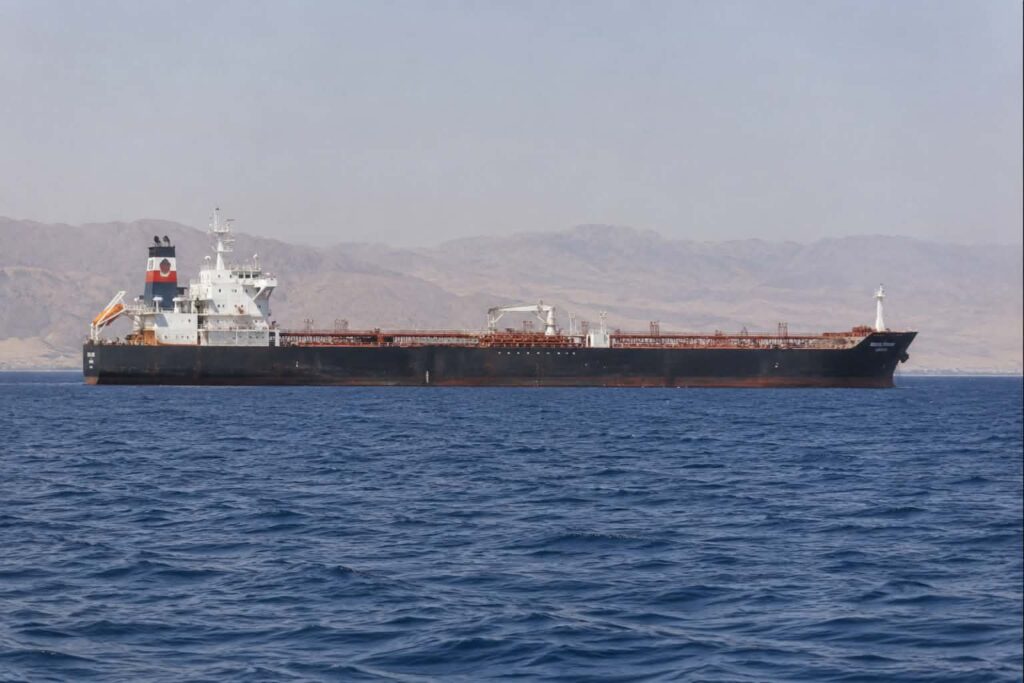
The waterway connects the Persian Gulf with the Gulf of Oman and is a crucial route for international oil shipments. Before the current conflict, roughly one-fifth of the world’s oil supply passed through the strait.
Shipping activity has fallen significantly amid the fighting and threats of further retaliation.
Reuters reported that only seven commodity vessels passed through the Strait of Hormuz on Monday, compared with eight the previous day, according to Kpler data. Some vessels may not be captured by those figures if their tracking transponders are switched off.
Saudi Energy Facilities Also Hit
The latest price surge was not caused solely by developments inside the Strait of Hormuz.
Iran-backed Houthi forces in Yemen launched attacks Tuesday against several locations in southern Saudi Arabia, including areas containing important energy infrastructure.
Saudi authorities said the attacks injured more than 70 people and caused fires at oil facilities and utilities. The strikes included the area around Jazan, where Saudi Aramco operates a major refinery.
The attacks raised concerns that the conflict could threaten alternative routes used to move Gulf oil to international markets.
That possibility is particularly important because some Gulf producers have attempted to bypass the Strait of Hormuz using pipelines and ports outside the Persian Gulf.
Brent Crude Nears the $100 Mark
Brent crude briefly moved close to $100 a barrel during Tuesday trading before retreating somewhat.
Reuters reported that Brent settled at $97.92, while WTI ended at $93.03. The closing prices represented the highest levels for the respective benchmarks in months.
Another report showed Brent reaching roughly $99.14 during earlier trading, while WTI climbed to approximately $94.48.
The rapid increase has put renewed attention on the possibility of crude returning above the psychologically important $100 threshold.
The Conflict Is Affecting More Than Oil
The consequences of the latest escalation are extending beyond crude markets.
Higher oil prices can eventually raise transportation, manufacturing and consumer costs because petroleum products are embedded throughout the global economy.
Diesel prices are especially important because diesel fuel powers much of the world’s trucking, shipping, agricultural and industrial activity.
Reuters reported that global diesel supplies remain tight, with refinery disruptions adding to concerns about fuel availability.
What Happens If Hormuz Traffic Falls Further?
The biggest concern for energy markets is not necessarily a temporary disruption.
It is the possibility that shipping through the Strait of Hormuz could remain severely restricted for an extended period.
Reuters reported that Middle Eastern crude shipments have fallen substantially from levels seen before the conflict. While some oil continues to move through the strait, alternative routes and additional production outside the region have helped prevent an even larger immediate supply shock.
That has helped explain why Brent has not yet remained above $100 despite the severity of the disruptions.
Producers Are Looking for Alternative Routes
Gulf oil producers are attempting to keep exports moving through alternative infrastructure.
Saudi Arabia, for example, can use routes toward the Red Sea, while other producers have access to pipelines and export terminals that do not depend entirely on Hormuz.
Iraq has also increased exports through alternative infrastructure, while Egypt’s Sidi Kerir terminal has handled increased volumes.
Those alternatives are helping cushion the impact of reduced Hormuz traffic, although they cannot completely replace the enormous volumes normally transported through the waterway.
Global Markets Are Watching the Next Move
Investors are now closely watching whether the latest military escalation continues.
If attacks remain limited and shipping gradually improves, some of the current risk premium could eventually disappear from oil prices.
But a prolonged conflict involving additional energy infrastructure or shipping routes could keep crude prices elevated.
Goldman Sachs has already raised its forecasts for crude prices, citing expectations that Middle East shipping disruptions could continue into 2027.
Why $100 Oil Matters
A sustained move above $100 would have consequences beyond gasoline prices.
Higher crude prices can contribute to inflation by increasing costs throughout the economy.
That creates a difficult environment for central banks, which may face pressure to keep monetary policy tighter if energy costs push inflation higher.
Reuters reported that investors have already increased expectations for higher interest rates as fuel prices and other inflation pressures rise.
Gasoline Prices Could Feel the Impact
American consumers are particularly sensitive to crude oil prices because gasoline and diesel prices influence household budgets and transportation costs.
U.S. gasoline prices have already reached unusually high levels, according to recent market data.
If crude prices remain elevated for an extended period, retail fuel prices could face additional upward pressure.
However, gasoline prices do not move one-for-one with crude prices. Refinery capacity, seasonal demand, inventories, transportation costs and regional market conditions all influence what consumers ultimately pay at the pump.
China Could Also Play a Role
China is the world’s largest crude oil importer, making its purchasing activity an important factor in determining global demand.
Recent data showed Chinese crude imports falling significantly compared with earlier levels, which has helped offset some of the pressure created by supply disruptions.
China also has substantial oil inventories, providing an additional buffer against short-term supply interruptions.
The Risk Is Still Highly Uncertain
Despite the dramatic headlines surrounding oil prices, analysts caution that the market remains highly dependent on what happens next.
A ceasefire, reopening of major shipping routes or successful diplomatic negotiations could quickly reduce some of the geopolitical premium built into crude prices.
On the other hand, additional attacks on energy facilities or a prolonged disruption in Hormuz could produce a much larger supply shock.
That uncertainty is one reason oil markets have become so volatile.
A Critical Moment for Global Energy Markets
The latest developments have once again demonstrated why the Strait of Hormuz is so important to the global economy.
The waterway remains a crucial energy corridor, and even partial disruption can affect shipping costs, insurance rates, refinery operations and crude prices around the world.
With U.S.-Iran tensions continuing and attacks now affecting additional energy infrastructure in the region, traders are watching closely for signs of whether the crisis will widen or begin to ease.
For now, the market’s message is clear: the longer the disruption lasts, the greater the risk that elevated oil and fuel prices will spread through the global economy.

Benjamin Harris is a RapidReports front page contributor and editor,proud father of four.