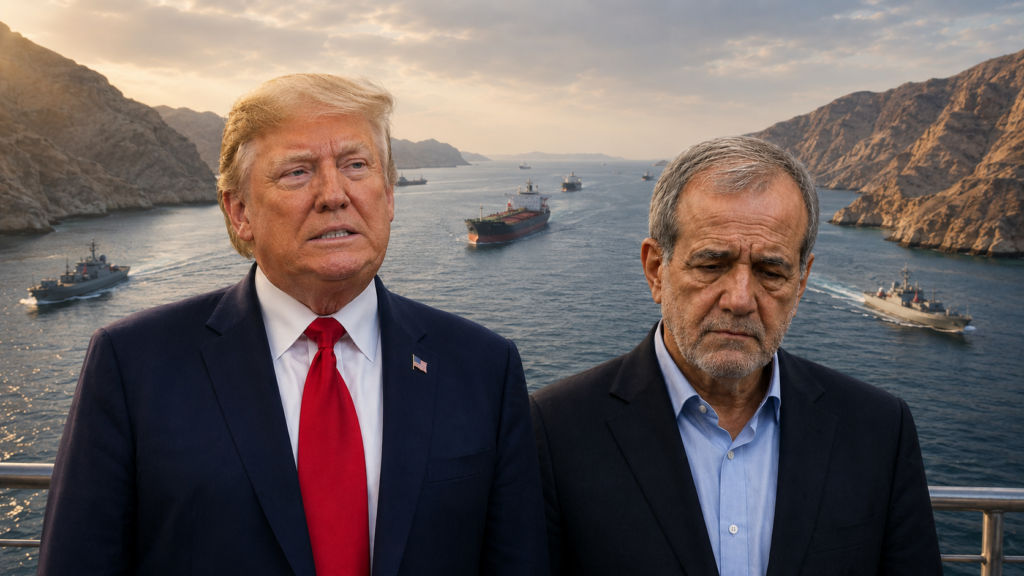
Trump Says Iran War Could End Soon as He Accuses Tehran of Prolonging Conflict
President Donald Trump said Saturday that the war between the United States and Iran could end “very soon,” while accusing Tehran of trying to keep the conflict going until after the U.S. midterm elections.
Speaking to reporters in Dublin during his visit to Ireland, Trump said he expected the conflict to end around the time of the November elections. He also repeated his position that Iran must not be allowed to obtain a nuclear weapon.
Trump’s comments came as fighting and military tensions continued across the Middle East, with the conflict affecting energy infrastructure, commercial shipping and regional security.
Trump Points to the Midterm Elections
Asked when he believed the war would end, Trump said it could happen “very soon” and suggested the conflict could conclude shortly after the midterm elections.
He accused Iran of trying to hold out as long as possible in an effort to complicate the election.
That assertion is Trump’s characterization of Tehran’s intentions; he did not publicly provide evidence demonstrating that Iran is deliberately prolonging the war for the purpose of influencing the U.S. vote.
Trump previously made a similar prediction on September 9, when he said he expected the war to end immediately after the November 3 midterm elections. At that time, he also said Iran was attempting to influence the election.
The latest comments therefore represent a continuation of a position Trump has expressed throughout the week rather than a newly announced ceasefire or peace agreement.
No End to the Fighting Has Been Announced
Despite Trump’s expectation that the war could end soon, there has been no announcement of a final settlement between Washington and Tehran.
The conflict remains active, with military operations continuing and pressure mounting around important regional waterways.
Reuters reported Saturday that the Iran-backed Houthis have made rapid advances in Yemen, creating additional risks around the Bab el-Mandeb Strait, one of the world’s important maritime routes. The developments add another layer of complexity to an already extensive regional conflict.
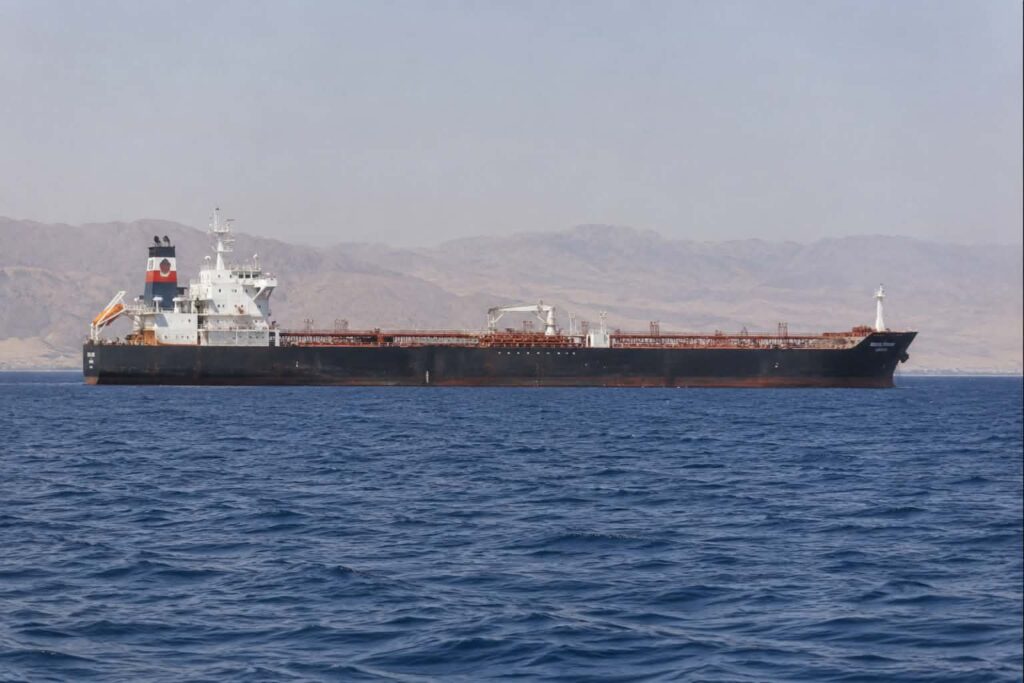
The Strait of Hormuz has also remained a major point of tension. Disruptions in and around the waterway have affected commercial shipping and global energy markets.
Trump Says Iran Cannot Have a Nuclear Weapon
Trump again emphasized that preventing Iran from obtaining a nuclear weapon remains a central U.S. objective.
He argued that Iran had been close to developing such a capability before the conflict and said the United States would not permit Tehran to obtain a nuclear weapon. Those statements reflect the administration’s position, rather than an independently established assessment presented in Trump’s remarks.
The nuclear issue has been one of the principal subjects surrounding the U.S.-Iran confrontation.
Earlier in the week, Trump said Washington was not actively pursuing a return to nuclear negotiations, although he acknowledged that negotiations could potentially occur.
Oil Prices Remain a Major Concern
Trump also predicted that oil prices would fall sharply once the war ends.
Energy markets have been heavily affected by the conflict because of the importance of the Strait of Hormuz and other transportation routes in the region.
Reuters reported that the continuing conflict is putting pressure on global oil supplies and trade, particularly as instability spreads around both the Strait of Hormuz and the Bab el-Mandeb.
The economic consequences extend beyond the Middle East. Higher oil prices can increase transportation and production costs and put additional pressure on consumer fuel prices.
Trump has repeatedly argued that an end to the conflict would ease those pressures.
Saudi Pipeline Attack Adds to Regional Tensions
Trump’s latest comments also came as Saudi Arabia dealt with an attack affecting its East-West oil pipeline.
Trump said he believed Iran was probably responsible for the attack and said he had discussed the situation with Saudi Crown Prince Mohammed bin Salman.
The Saudi pipeline is strategically important because it allows Saudi Arabia to transport oil toward the Red Sea without relying entirely on the Strait of Hormuz.
However, the attribution of the attack has been disputed.
The Associated Press reported that Iraqi authorities said the drones involved originated from Iraqi territory and that Iraq had opened an investigation. That account contrasts with Trump’s suggestion that Iran was probably responsible.
The differing accounts illustrate why responsibility for individual attacks in the wider conflict remains an important issue requiring further evidence.
Houthis Signal They Want to Avoid Direct U.S. Conflict
Trump also said Yemen’s Houthi movement had contacted the United States and indicated that it did not want a direct confrontation with Washington.
The Houthis are aligned with Iran, and their military activity has become increasingly important because of their position near the Bab el-Mandeb Strait.
Reuters reported that the group’s recent advances in Yemen have increased its ability to threaten shipping through the strategic waterway.
Any significant expansion of fighting in that area could create additional pressure on international shipping and energy markets.
Conflict Has Continued for Months
Trump’s latest prediction comes after months of fighting.
Earlier reporting has described the administration’s approach to ending the conflict as evolving, with possible outcomes ranging from continued military pressure to negotiations and arrangements involving the Strait of Hormuz.
The continued fighting has also placed pressure on U.S. military resources.
A September 6 report from the Guardian quoted former Defense Secretary Leon Panetta warning that the conflict could continue for another six months or longer. That assessment represents Panetta’s view and contrasts with Trump’s expectation that the war could end soon.
The difference illustrates the uncertainty surrounding the conflict’s eventual duration.
Diplomatic Signals Continue Elsewhere
While military tensions remain high, diplomatic activity has not completely stopped.
At the BRICS summit in New Delhi, member states including Iran and the United Arab Emirates backed a declaration calling for restraint and emphasizing diplomacy and dialogue.
Iranian President Masoud Pezeshkian also met with Abu Dhabi Crown Prince Sheikh Khaled bin Mohamed bin Zayed, marking a significant diplomatic contact between the two countries during the conflict.
Those developments do not amount to a U.S.-Iran peace agreement, but they demonstrate that diplomatic discussions continue alongside the fighting.
What Trump’s Prediction Means
Trump’s statement that the war could end soon is significant, but it should not be interpreted as an announcement that a ceasefire has been reached.
No final agreement between the United States and Iran was announced alongside his remarks.
Instead, Trump offered his assessment that the conflict could conclude around or shortly after the November midterm elections while continuing to insist that Iran cannot obtain a nuclear weapon.
His accusation that Iran is deliberately prolonging the war to influence the election remains an allegation from the president rather than an independently established fact.
Meanwhile, the fighting continues to affect military operations, regional infrastructure, shipping routes and energy markets.
The Road Ahead
The immediate question is whether Trump’s expectation of a near-term end to the conflict will be followed by concrete diplomatic developments.
For that to happen, the United States and Iran would need to resolve major disagreements, including the nuclear issue and the broader military confrontation.
Regional developments will also matter. The activities of Iran-aligned groups in Yemen and elsewhere have expanded the geographic scope of the conflict and created additional risks for commercial shipping.
For now, Trump is publicly signaling that he believes the war is approaching an end. But there has been no confirmed settlement, and fighting and regional tensions remain active.
Bottom Line
President Donald Trump says the U.S.-Iran war could end “very soon,” potentially after the November midterm elections, and has accused Tehran of prolonging the conflict to affect the vote.
Those claims remain Trump’s assessment rather than independently established facts. The war continues, while tensions around the Strait of Hormuz, the Bab el-Mandeb and Middle Eastern energy infrastructure remain significant.
The latest diplomatic contacts involving Iran and other regional powers show that avenues for dialogue remain open, but no comprehensive agreement ending the U.S.-Iran conflict has been announced.

Benjamin Harris is a RapidReports front page contributor and editor,proud father of four.