Trump Blames Biden for High Prices: What the Inflation Data Shows
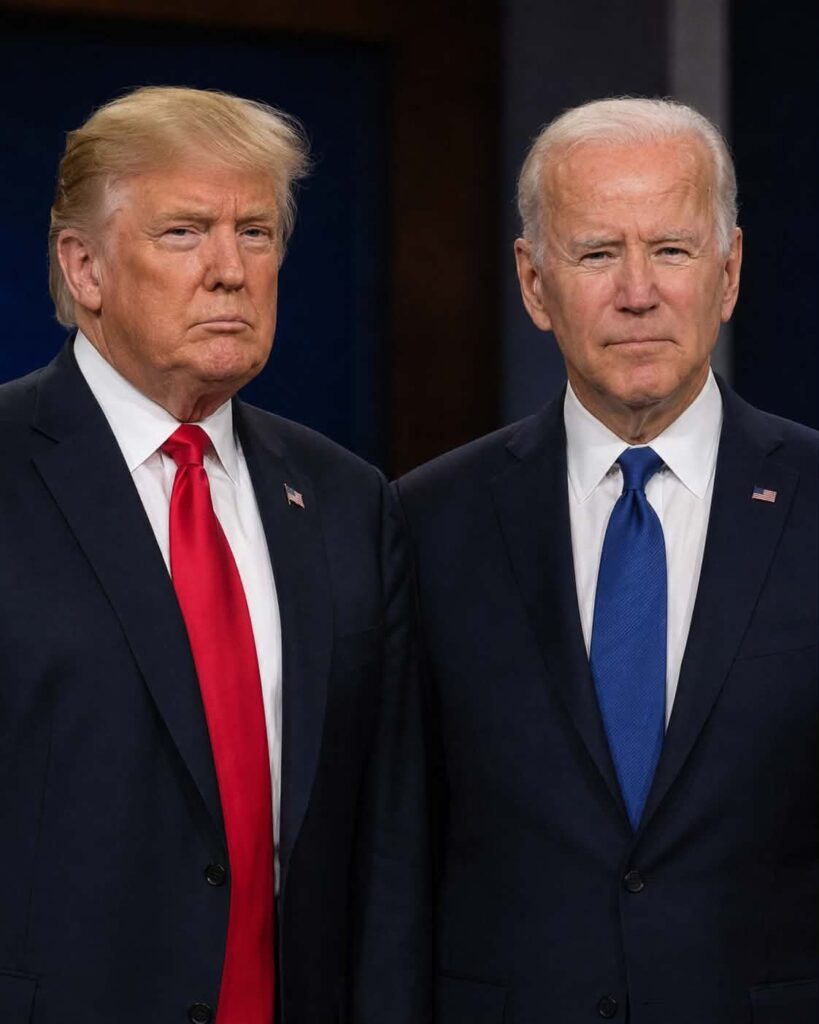
President Donald Trump has continued to blame the Biden administration for the high prices Americans are facing, reviving a political argument over who should be held responsible for the inflation that surged earlier in the decade.
The data, however, points to a more complicated picture. Prices rose sharply during the Biden presidency, but inflation was influenced by several overlapping forces, including pandemic-era supply disruptions, strong consumer demand, fiscal policy, energy and commodity shocks, and Russia’s invasion of Ukraine. More recently, inflation has also been affected by policies and events during Trump’s second administration.
The distinction between inflation and the overall price level is particularly important. A decline in the inflation rate does not mean that prices have returned to where they were several years earlier.
Prices Rose Rapidly During Biden’s Presidency
Consumer prices accelerated significantly after President Joe Biden took office in January 2021.
The Federal Reserve has attributed the inflation surge to a combination of unusually strong demand and supply constraints. In a 2021 analysis, the central bank pointed to pandemic-related supply bottlenecks, hiring difficulties and capacity constraints as major factors behind rising prices.
Inflation subsequently became much more severe. The Consumer Price Index reached a year-over-year increase of 9.1% in June 2022, the highest rate in roughly four decades.
The Federal Reserve’s research has also found evidence that U.S. fiscal stimulus during the pandemic contributed to inflation by increasing demand for goods at a time when production and supply were constrained. One Fed study estimated that fiscal stimulus accounted for roughly 2.5 percentage points of U.S. inflation through early 2022, although that estimate is subject to the assumptions used in the analysis.
That does not mean the Biden administration was solely responsible for the inflation surge. Much of the initial disruption began before Biden took office, while the global nature of the pandemic meant that many of the underlying forces were outside the control of any single administration.
The Pandemic Played a Major Role
The timing of the inflation surge matters.
The COVID-19 pandemic disrupted factories, transportation networks and international supply chains around the world. At the same time, consumers shifted spending heavily toward goods while many services remained restricted.
The Federal Reserve has described the post-pandemic inflation period as the result of a combination of demand recovering faster than supply, supply-chain bottlenecks and later commodity shocks.
The Russian invasion of Ukraine in 2022 added another major shock, particularly to energy and food markets.
As those disruptions eased, inflation fell substantially from its 2022 peak. But lower inflation did not reverse most of the price increases that had already occurred.
Inflation Fell, But Prices Did Not Go Back Down
This is one of the most important distinctions in the debate.
Suppose a product costs $100 and its price rises 10%. It now costs $110. If inflation subsequently falls to 2%, the price is still generally rising—it is simply rising more slowly.
For prices to return to $100, the economy would need to experience sustained deflation in that product.
That is why Americans can simultaneously experience a much lower inflation rate and continue to complain about expensive groceries, housing, transportation and other necessities.
Federal Reserve research shows that inflation declined substantially after its 2022 peak as supply and demand imbalances eased and monetary policy tightened.
But the accumulated price increases remained embedded in the economy.
What the Latest Numbers Show
The most recent Bureau of Labor Statistics data show that inflation has not disappeared.
The Consumer Price Index rose 3.4% over the 12 months ending in August 2026, while core CPI—which excludes food and energy—rose 2.4%. The overall CPI increased 0.4% on a seasonally adjusted basis in August.
Energy has been a particularly significant source of recent pressure. The energy index was up 16.3% over the year, while gasoline prices increased 27.4%. Food prices rose 2.7% over the same period.
Those figures illustrate why the current affordability debate cannot simply be reduced to what happened during Biden’s presidency.
Trump’s Second Term Has Its Own Inflation Factors
The inflation picture has also changed since Trump returned to office in January 2025.
Federal Reserve researchers and economists have been examining the effects of Trump’s higher tariffs on consumer prices. A recent Federal Reserve Bank of Boston analysis estimated that tariffs added about 0.5 percentage point to core personal-consumption-expenditures inflation, although productivity gains helped businesses absorb part of the increased costs.
Energy prices have also become a major factor in 2026.
Oil prices have risen sharply amid the conflict involving Iran and disruptions affecting global energy markets. Reuters reported that inflation pressures in 2026 have been influenced by tariffs and higher energy costs, in addition to longer-running effects from the pandemic period.
That means assigning all current price pressures to decisions made under Biden would leave out important developments that occurred after Trump returned to office.
Grocery Prices Tell Part of the Story
Food prices are especially important because households encounter them frequently.
BLS data show that food prices increased 2.7% over the year ending in August 2026.
But grocery prices were already considerably higher than they were before the major inflation surge of 2021-22.
This creates a political challenge for both parties: even when the monthly or annual inflation rate declines, consumers do not necessarily experience a corresponding decline in their grocery bills.
The price level matters just as much as the inflation rate when assessing household purchasing power.
So, Is Trump Correct to Blame Biden?
There is a factual basis for saying that inflation was exceptionally high during Biden’s presidency and that some fiscal policies implemented during the pandemic contributed to increased demand.
Federal Reserve research supports the conclusion that fiscal stimulus was one contributor to the inflation surge.
But the broader evidence does not support treating Biden-era policy as the only cause.
The inflation episode involved a combination of pandemic disruptions, supply shortages, changes in consumer behavior, fiscal stimulus, labor-market constraints and international commodity shocks.
And the story did not end when Biden left office.
Tariffs, energy prices and other developments have contributed to renewed inflationary pressure during Trump’s second term.
Why the Price Debate Remains Politically Important
Trump’s argument comes as the cost of living remains a major economic issue.
Reuters reported in September that the administration has sought to shift political attention toward Democratic policies while inflation and grocery prices remain prominent concerns. Trump has also disputed descriptions of an affordability crisis and has argued that prices have fallen since he returned to office.
The distinction between falling inflation and falling prices is central to that debate.
A slowing rate of inflation means prices are increasing more slowly. It does not mean that the cumulative increases from previous years have disappeared.
The Bottom Line
The data provide a more complicated answer than a simple partisan attribution.
Prices rose dramatically during the Biden administration, and research from the Federal Reserve indicates that pandemic-era fiscal stimulus contributed to the inflation surge. At the same time, the inflation episode was driven by multiple domestic and international forces that cannot be attributed to one president alone.
Today, inflation remains above the Federal Reserve’s 2% target. August 2026 CPI was 3.4% higher than a year earlier, with energy prices among the largest sources of recent pressure.
The evidence therefore supports a narrower conclusion: Biden-era policies were among the factors that contributed to the earlier inflation surge, but America’s current high price level is the accumulated result of several years of inflation and more recent economic developments as well.
That distinction is important when evaluating political claims about who is responsible for the cost of living.

Benjamin Harris is a RapidReports front page contributor and editor,proud father of four.