House Republicans Outline New Strategy to Advance the SAVE America Act
House Republicans are pursuing a new strategy to advance key provisions of the SAVE America Act after repeated attempts to move the broader voting legislation through the Senate stalled.
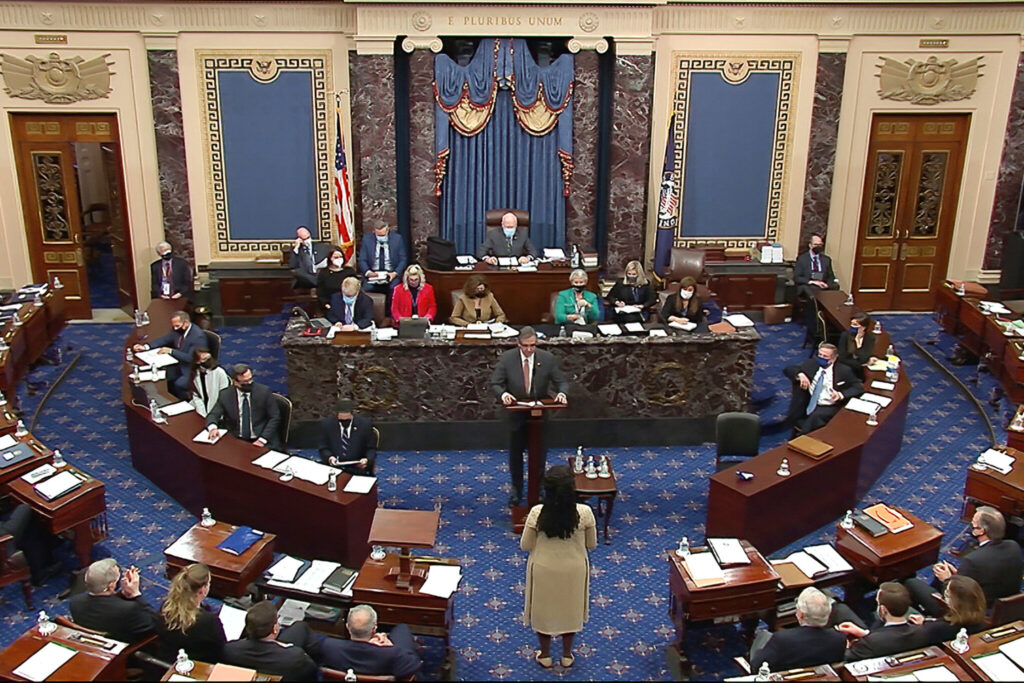
Speaker Mike Johnson has indicated that Republicans could use the budget reconciliation process to enact some of the bill’s provisions, potentially allowing legislation to advance with a simple Senate majority rather than the 60 votes normally required to overcome a filibuster. Rep. Bryan Steil, Republican chairman of the House Administration Committee, said lawmakers are working on that approach.
The strategy represents a significant change from efforts to pass the SAVE America Act as a standalone measure.
What Is the SAVE America Act?
The legislation, formally known as the Safeguard American Voter Eligibility Act, would establish new federal requirements for voter registration and voting in federal elections.
Among its central provisions are requirements for documentary proof of U.S. citizenship when registering to vote and government-issued photo identification when voting in federal elections. The legislation would also impose new requirements on states and local election officials concerning voter-registration information.
Republican supporters describe the measure as an election-integrity proposal intended to ensure that only eligible citizens participate in federal elections.
Opponents have argued that the additional documentation requirements could make registration more difficult for some eligible voters and create administrative burdens for state and local election offices.
House Has Already Passed the Measure
The latest Republican strategy does not involve introducing the legislation from scratch.
The House has already passed a version of the SAVE America Act. On February 11, 2026, the chamber approved the legislation by a 218-213 vote. The bill subsequently faced difficulty in the Senate, where Republican leaders have not been able to secure the votes necessary for passage.
Republicans have subsequently tried several different procedural approaches to move the legislation or portions of it forward.
Those efforts have included attempts to attach the measure to other legislation and efforts to use the reconciliation process.
Why Reconciliation Matters
The Senate normally requires 60 votes to invoke cloture and move most major legislation past a filibuster.
Budget reconciliation operates under different Senate procedures and generally allows certain legislation affecting federal spending, revenues or the debt limit to pass with a simple majority.
That is why Republican lawmakers are examining whether provisions associated with the SAVE America Act can be structured to satisfy reconciliation rules.
Steil told Fox News that he would prefer to see the entire SAVE America Act enacted but acknowledged the difficulty of obtaining 60 votes in the Senate. He said Republicans were exploring whether parliamentary procedures could allow them to move certain election-related provisions with a 50-vote threshold.
The approach, however, does not mean that every provision of the SAVE America Act can automatically be included in a reconciliation bill.
Senate rules impose restrictions on what can qualify for reconciliation, meaning provisions generally must have a sufficient connection to federal spending or revenues.
Republicans Face Internal Disagreements
The SAVE America Act has also exposed differences within the Republican conference over how aggressively to pursue the legislation and what procedural vehicle should be used.
Earlier attempts to attach the legislation to other bills have faced resistance from Republican lawmakers who wanted stronger or more comprehensive election provisions.
In June, disagreements over how to incorporate the SAVE America Act into a defense-related measure contributed to a procedural breakdown in the House. Reuters reported that the legislation would require photo identification for federal elections, proof of citizenship for registration and changes affecting mail voting.
The disagreements demonstrate that Republican support for the policy does not necessarily translate into agreement over the legislative strategy.
Senate Opposition Remains a Major Obstacle
Even if House Republicans successfully construct a reconciliation package containing portions of the SAVE America Act, the legislation would still face Senate hurdles.
Several Republican senators have previously opposed efforts to move the legislation or its provisions through reconciliation.
The National Low Income Housing Coalition, citing the proposed reconciliation package, reported that Republican senators including Susan Collins, Lisa Murkowski, Thom Tillis and Mitch McConnell had opposed previous attempts involving the SAVE Act.
That means the reconciliation strategy could still require negotiations among Senate Republicans before any final legislation could reach President Donald Trump.
Election Officials Have Raised Implementation Concerns
The legislation would also have consequences for state and local election administrators.
The National Association of Counties has said the SAVE America Act would create new federal requirements for local election systems, including additional responsibilities for officials who maintain voter-registration records.
County officials have raised questions about implementation costs, administrative requirements and the amount of time jurisdictions would have to prepare for the proposed changes.
Those concerns are separate from the broader political dispute over voter-identification and citizenship-verification policies.
Trump’s Continued Push for the Legislation
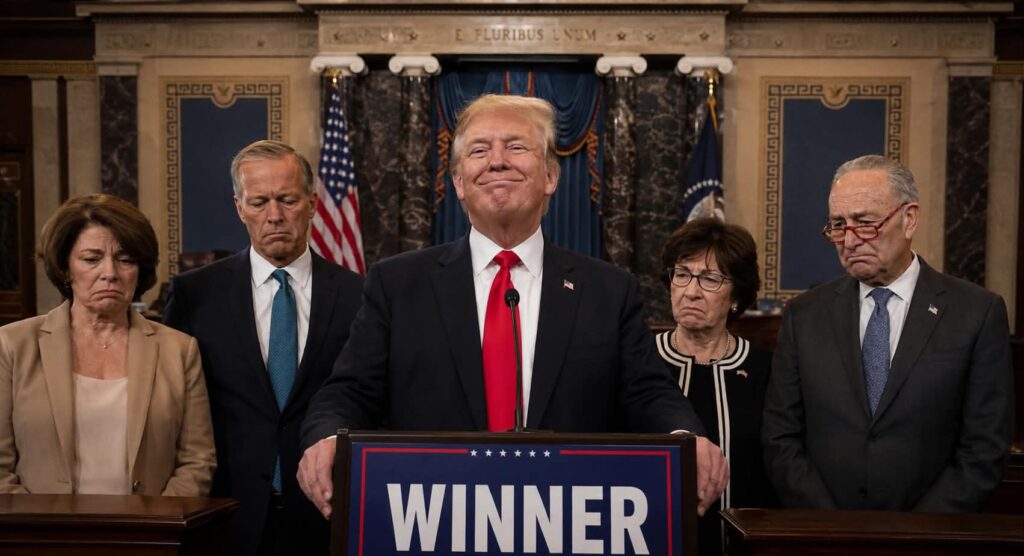
President Trump has repeatedly made the SAVE America Act a legislative priority.
The administration has argued that federal election rules should include stronger verification requirements, while critics contend that election administration has traditionally involved substantial state and local responsibilities.
Trump’s support has added pressure on congressional Republicans to find a path forward even after the legislation repeatedly encountered obstacles in the Senate.
The issue has consequently become part of the broader debate over federal authority over elections and the rules governing participation in federal contests.
What Happens Next?
The immediate question is whether House and Senate Republicans can agree on a version of the legislation that complies with reconciliation rules and attracts enough Republican support.
The House strategy could allow lawmakers to move selected provisions without relying on Democratic votes in the Senate. But procedural eligibility and the positions of Republican senators remain unresolved issues.
The broader SAVE America Act has already passed the House, but it has not become federal law.
For the legislation to take effect, Congress would still need to approve an identical measure in both chambers and send it to the president for signature.
The Bottom Line
House Republicans are examining budget reconciliation as a way to advance portions of the SAVE America Act after the broader legislation encountered repeated Senate obstacles.
The proposal would require documentary proof of citizenship for federal voter registration and photo identification for voting, while also imposing additional requirements on election administration.
The House has already approved a version of the legislation, but the new strategy faces important procedural and political questions in the Senate.
Whether Republicans can use reconciliation to enact the measure—and exactly which provisions could survive the Senate’s reconciliation rules—remains to be determined.

Benjamin Harris is a RapidReports front page contributor and editor,proud father of four.