Trump Rejects Iran Ceasefire Proposal as U.S.-Iran Tensions Continue to Escalate
Officials Say White House Remains Focused on Negotiations, Security Concerns, and Military Options
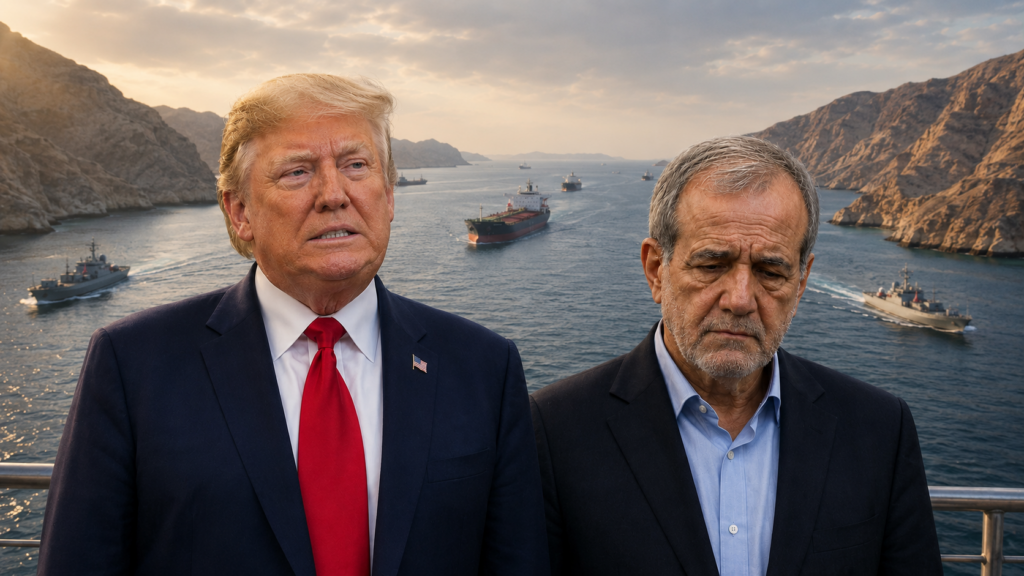
President Donald Trump has reportedly rejected an Iranian proposal for a temporary seven-day ceasefire, according to reporting by The Wall Street Journal, which cited U.S. officials familiar with the discussions.
The reported development comes as Washington and Tehran remain locked in a tense confrontation involving military pressure, diplomatic efforts, regional security concerns, and uncertainty surrounding the future of negotiations.
According to the report, Iranian officials proposed a short-term ceasefire arrangement connected to reopening the Strait of Hormuz and creating a pathway toward renewed diplomatic discussions. The proposal reportedly included conditions involving reduced military pressure and changes to restrictions affecting Iranian ports.
The White House has not publicly confirmed all details of the reported proposal, and officials have not announced a formal decision regarding future military operations.
Trump Says Iran Proposal Was Rejected
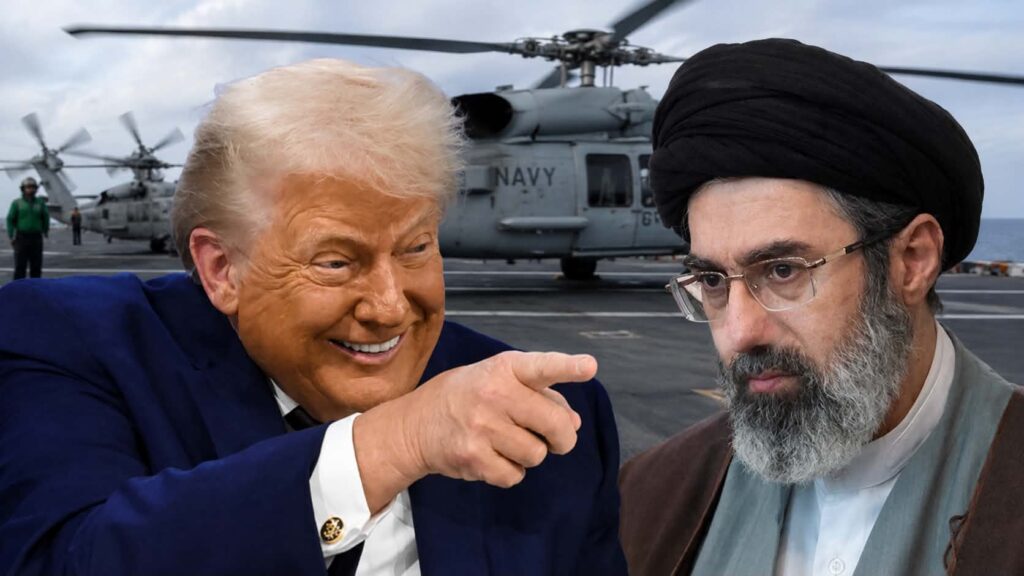
Trump reportedly acknowledged that Iran had presented a proposal but said he rejected the offer.
The president has continued to state that he remains open to diplomatic solutions while also warning that military options remain available if negotiations fail.
The administration’s position has focused on several issues, including Iran’s nuclear activities, regional security threats, and the protection of international shipping routes.
The Strait of Hormuz remains a central concern because it is one of the world’s most important energy transit routes. A prolonged disruption in the area could affect global oil markets, shipping costs, and energy prices.
Reported Internal Discussions About Future Military Action
The Wall Street Journal report cited unnamed U.S. officials who said Trump privately told advisers that he expected military operations against Iran could resume after the November midterm elections.
However, the report described internal discussions rather than a publicly announced military decision.
U.S. policy decisions involving military action require coordination among multiple government agencies, including national security officials and military leadership.
At this stage, officials have not publicly announced a timeline for any future operations.
Why the Strait of Hormuz Matters
The Strait of Hormuz is one of the most strategically important waterways in the world.
A significant portion of global oil shipments passes through the narrow waterway between Iran and Oman. Any disruption could create uncertainty for energy markets and increase costs for consumers.
Investors and energy analysts have closely monitored developments because geopolitical tensions in the region often influence:
- Crude oil prices
- Gasoline costs
- Shipping expenses
- Global energy supply expectations
- Inflation concerns
Even the possibility of reduced oil flows can affect market expectations.
Iran’s Push for Diplomatic Openings
Iranian officials have repeatedly said they are willing to consider negotiations under certain conditions.
Tehran has argued that sanctions relief and reduced military pressure are necessary for meaningful diplomatic progress.
Iran has also warned that additional attacks could result in a broader response.
Officials in Tehran have previously claimed that they have additional military capabilities available, although independent verification of such claims varies.
U.S. Concerns About Iran
Washington has raised concerns about Iran’s nuclear program, missile capabilities, and regional influence.
American officials have argued that pressure is intended to prevent threats against U.S. interests and allies.
Iran, meanwhile, has said its military and nuclear activities are defensive in nature and has criticized U.S. policies toward the country.
The disagreement between the two governments has remained one of the most significant geopolitical disputes in the Middle East.
Global Markets Watch Developments Closely
Energy markets have reacted to changing expectations surrounding the conflict.
When investors believe diplomatic progress is possible, oil prices may face downward pressure because concerns about supply disruptions decrease.
When tensions increase, markets often respond with greater uncertainty.
Businesses and consumers are watching developments because energy costs influence transportation, manufacturing, food prices, and household expenses.
What Happens Next?
The situation remains fluid, with diplomatic and military considerations continuing simultaneously.
Possible future developments could include:
- Additional negotiations between U.S. and Iranian officials
- Further international mediation efforts
- Changes in oil market conditions
- New security measures around shipping routes
- Additional statements from Washington and Tehran
Analysts caution that statements from government officials do not always translate into immediate policy changes, particularly during complex international disputes.
A Developing Situation
The reported rejection of Iran’s ceasefire proposal highlights the continuing challenges between Washington and Tehran.
While both sides have discussed diplomacy, major disagreements remain over security, sanctions, nuclear issues, and regional influence.
The coming weeks may determine whether the two countries move toward further negotiations or experience another period of heightened confrontation.
For businesses, investors, and consumers, the key issues to watch will include energy prices, shipping conditions, diplomatic announcements, and any official policy changes from both governments.
This remains a developing international story, and additional details are expected as officials provide further information.

Benjamin Harris is a RapidReports front page contributor and editor,proud father of four.