Oil Surges Above $105 as Iran Strike Fears Rattle Markets Before Trump Rules Out Pre-Election Attack
Oil prices surged sharply Thursday as reports that President Donald Trump was considering new military strikes against Iran sent fresh tremors through global energy markets, briefly pushing Brent crude above $105 a barrel.
The rally came after The Atlantic reported that the White House had asked the Pentagon to develop potential strike options against Iranian targets that could be used before the Nov. 3 midterm elections. U.S. Central Command was involved in developing the options, according to the report, although Trump had not made a decision on whether to authorize an attack.
Markets subsequently pulled back after Trump said the United States would not attack Iran before the midterm elections, citing what he described as productive discussions with Tehran.
The episode nevertheless highlighted how quickly developments in the Iran conflict are being reflected in oil prices, gasoline costs and broader inflation concerns.
Oil Prices Jump on Renewed Strike Concerns
Brent crude rose more than 5% at the session’s peak Thursday before paring some of those gains. Reuters reported Brent reached $103.73 a barrel by early afternoon, while U.S. West Texas Intermediate crude climbed to about $91. Both benchmarks had been more than $5 higher at their session peaks.
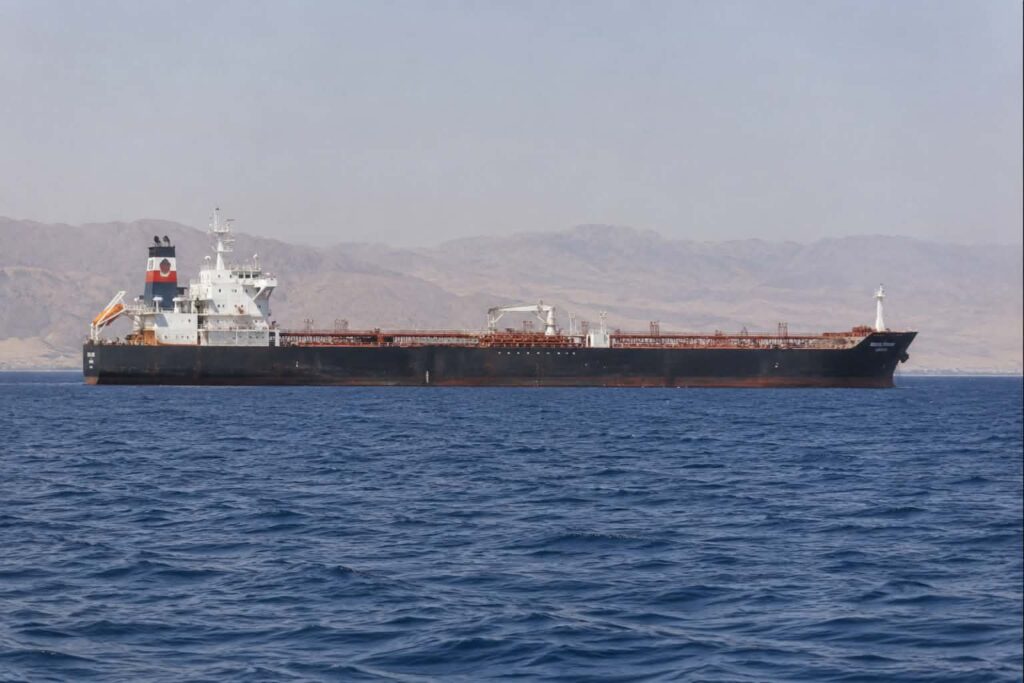
Oil markets were responding to several simultaneous supply concerns, including renewed fears of U.S. military action against Iran and continuing disruptions around the Strait of Hormuz.
The waterway is one of the world’s most important energy chokepoints. Before the current conflict, roughly one-fifth of global oil and fuel shipments moved through the strait.
The latest price movement came after Brent had already climbed back above $100 in recent weeks as the war disrupted regional production and shipping.
Pentagon Developing Potential Strike Options
According to The Atlantic, the White House asked the Pentagon to prepare military options for possible strikes against Iran.
The report said the size, targets and timing of any operation remained under discussion and that no final decision had been made. U.S. Central Command was involved in developing the options.
The report also described disagreement inside the administration over whether another round of attacks would accomplish the desired objectives.
Even officials supporting additional strikes acknowledged that limited military action would not necessarily reopen the Strait of Hormuz, restore normal shipping conditions or bring down gasoline prices before Election Day.
Those considerations were significant because the conflict has become closely tied to energy costs. Higher crude prices can feed through to gasoline, diesel, transportation and other consumer prices.
Trump Says No Iran Attack Before Midterms
The situation changed Thursday when Trump said the United States would not resume military strikes against Iran before the November elections.
Trump said the administration was engaged in “productive” discussions with Iran and indicated that diplomacy was continuing. Reuters reported that Iranian officials were reviewing an American response to a proposal concerning the reopening of the Strait of Hormuz.
The statement came only a day after reports that the administration was considering pre-election military options.
Trump has previously indicated that the conflict could resume after the elections if diplomatic efforts fail, but his latest statement removes the immediate possibility of a new U.S. attack before Nov. 3.
Hormuz Remains at the Center of the Dispute
The Strait of Hormuz remains one of the central issues in the confrontation between Washington and Tehran.
Iran has said the waterway will not fully reopen until conditions connected to a June interim agreement are satisfied. Iranian officials have emphasized that the sequencing of those steps remains a major disagreement with Washington.
Qatar has been involved in mediating indirect contacts between the United States and Iran.
Iran has proposed reopening the strait within seven days if specified conditions are met, while Washington has continued to press Tehran over its nuclear program and other security issues. The two sides have yet to reach a comprehensive agreement.
The uncertainty has kept a risk premium in global oil markets even as some Gulf oil exports have recovered.
Energy Markets Face Multiple Supply Risks
The Iran conflict is not the only factor affecting Thursday’s oil rally.
The United States is also dealing with potential disruptions in the Gulf of Mexico from a developing storm. Reuters reported that major producers had shut some offshore platforms, affecting a significant portion of Gulf oil output.
Meanwhile, the International Energy Agency has accelerated plans to release emergency oil stocks in an effort to ease tight global fuel supplies.
The agency’s emergency release is expected to put roughly 100 million barrels onto the market, with France planning an early release of diesel from its strategic reserves.
Those measures are intended to counter supply disruptions, although their effect depends on how quickly the oil and refined products reach consumers.
EIA Raises Oil Price Forecasts
The U.S. Energy Information Administration has also raised its oil-price forecasts as the conflict continues to reduce global inventories and tighten fuel markets.
The EIA now expects Brent crude to average about $105 a barrel during the fourth quarter of 2026, with the annual average projected at approximately $98. The agency cited declining global inventories, tight diesel supplies and continuing disruptions associated with the Iran conflict.
The agency expects conditions to improve as alternative export routes are used and Gulf producers restore production, but the timing remains dependent on developments in the region.
Gasoline Prices Remain a Political and Economic Issue
The surge in crude prices has also placed energy costs back into the political conversation ahead of the midterm elections.
Trump has previously said Americans should expect oil prices to fall after the election. But the latest market moves demonstrate how sensitive gasoline costs remain to developments outside the United States.
A new military escalation could put additional upward pressure on crude prices by threatening production, shipping and insurance costs. Conversely, a sustained diplomatic agreement that restores reliable traffic through Hormuz could reduce some of the geopolitical premium embedded in oil prices.
For now, however, the market remains focused on whether the latest U.S.-Iran discussions can produce a durable reduction in tensions.
What Comes Next for Oil Markets
Thursday’s trading underscored the uncertainty surrounding the Iran conflict.
Oil prices initially surged on reports that Washington was considering new strikes, then retreated after Trump publicly ruled out an attack before the midterms.
The immediate military risk before Election Day has therefore diminished, but the underlying issues remain unresolved.
Iran and the United States continue to disagree over nuclear policy, sanctions, the Strait of Hormuz and the terms required to restore a more stable regional security environment. Meanwhile, attacks on shipping and disruptions to energy infrastructure continue to affect global supply calculations.
For consumers, the most important question is whether those risks begin to ease. Until there is greater certainty over regional shipping and oil production, crude prices are likely to remain highly sensitive to every major development in the U.S.-Iran standoff.

Benjamin Harris is a RapidReports front page contributor and editor,proud father of four.