Iran Claims Tanker Exploded in Strait of Hormuz as Trump Warns of Possible New Military Strikes
Tensions between the United States and Iran have intensified after Iranian authorities claimed that an oil tanker struck a sea mine and exploded in the strategically important Strait of Hormuz on Friday. The reported incident came just hours after President Donald Trump issued a fresh warning that Washington remained prepared to launch additional military strikes if Tehran continued threatening American interests, regional allies, and international commercial shipping.
The latest reported explosion has raised further concerns about maritime security in one of the world’s most important energy transportation corridors. The Strait of Hormuz is a critical passage for international oil and gas shipments, making any military confrontation in the surrounding waters a significant concern for global energy markets, shipping companies, and governments.
Iranian state media, citing the naval forces of the Islamic Revolutionary Guard Corps (IRGC), alleged that the tanker had been traveling along what Tehran described as an unauthorized and dangerous route before striking a mine.
However, Iranian authorities had not provided independently verified details identifying the vessel or establishing the precise circumstances surrounding the reported explosion.
The latest claim adds to a series of reported maritime incidents involving commercial vessels in the region, while diplomatic efforts to prevent another major escalation between Washington and Tehran continue.
Iran Reports New Tanker Explosion in the Strait of Hormuz
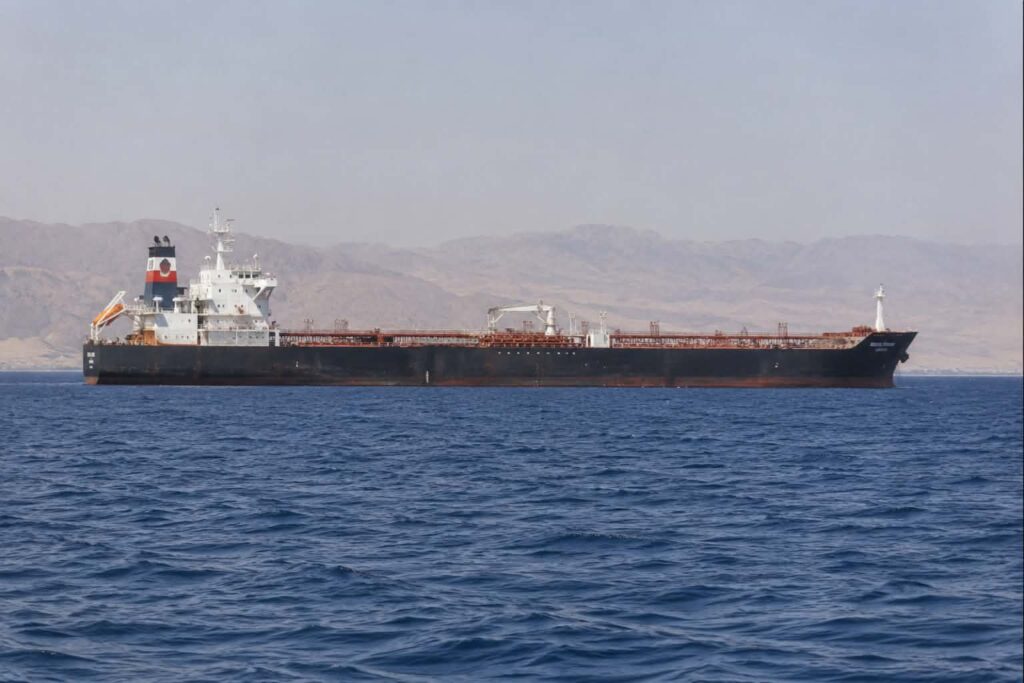
Iranian authorities claimed Friday that a commercial gas tanker was struck by a mine while navigating the Strait of Hormuz.
According to Iranian state media, the vessel had entered a route that the country’s military considered unauthorized and dangerous. The IRGC Navy reportedly attributed the explosion to a sea mine.
The announcement immediately attracted attention because of the waterway’s importance to international maritime transportation and the continuing confrontation between Iran and the United States.
At the time of the initial reports, information about the tanker, including its identity, ownership, nationality, and the extent of the damage, remained limited.
The reported explosion had not been independently confirmed, and the available account relied primarily on statements attributed to Iranian military authorities.
This distinction is important because claims made by parties involved in an armed confrontation require independent verification before the circumstances of an incident can be established.
Nevertheless, the announcement has renewed concerns among shipping operators and international observers about the possibility of further attacks, maritime accidents, or deliberate interference with commercial vessels operating near the Iranian coastline.
Donald Trump Warns Iran Against Further Threats to American Interests
The reported tanker explosion followed a strong warning from President Donald Trump, who reiterated that military action remained an option if Iran continued escalating tensions.
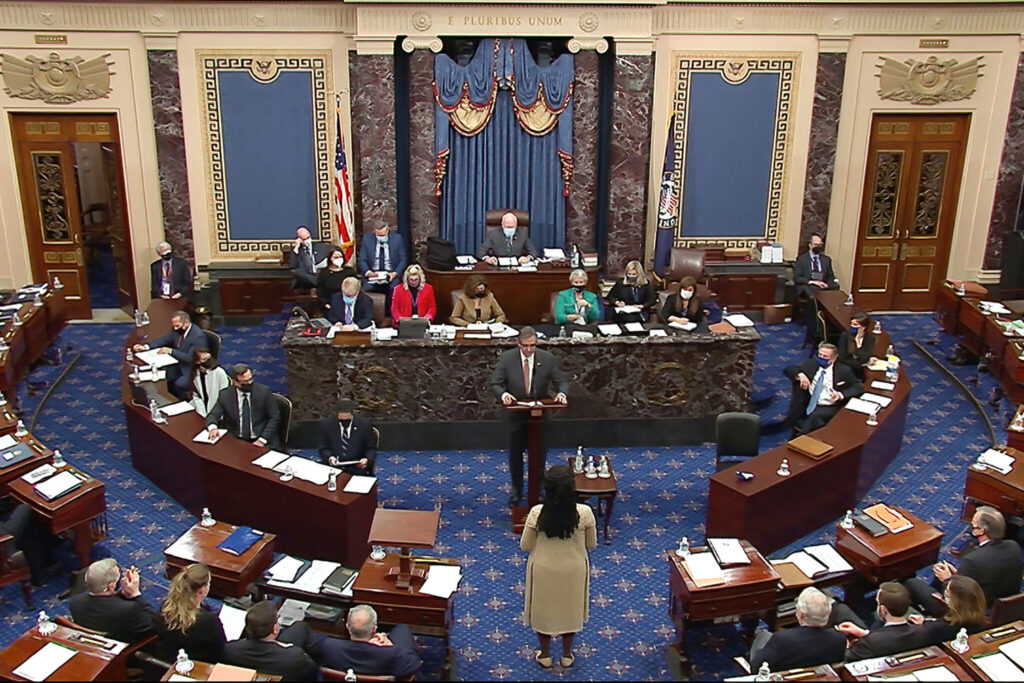
During a Thursday interview with Hugh Hewitt, Trump indicated that he would not hesitate to authorize additional military strikes if circumstances required a stronger American response.
The president’s comments reflected Washington’s continued concern about Iranian activities affecting American allies and international commercial shipping.
Trump also delivered a warning concerning potential assassination threats against senior American officials, emphasizing that any such action would carry serious consequences.
His remarks came as concerns grew over the security of members of his administration and the possibility of further retaliation between the two countries.
The president’s statements have reinforced uncertainty about the next stage of the confrontation, particularly as commercial shipping continues to face security concerns in and around the Strait of Hormuz.
Although diplomatic discussions remain possible, Trump’s warning suggests that the administration has not ruled out additional military action.
Treasury Secretary Scott Bessent Reportedly Relocated Over Iranian Threats
Security concerns have also extended to senior members of the Trump administration.
Reports indicated that Treasury Secretary Scott Bessent had relocated to a military installation because of threats allegedly originating from Iran.
A spokesperson for the Treasury Department said the threats would not prevent Bessent from carrying out his responsibilities or continuing the administration’s economic pressure campaign against Tehran.
The Treasury Department has played a central role in Washington’s efforts to restrict Iranian financial resources through sanctions and other economic measures.
These measures are intended to limit the Iranian government’s access to revenue and increase pressure on its leadership.
The reported threats against Bessent have added another dimension to the confrontation, demonstrating how tensions between the two countries extend beyond military operations and maritime security.
Trump has repeatedly emphasized that threats against American officials would not change his administration’s approach toward Iran.
The president has also made clear that he views the future of Iran’s political leadership as an important consideration in determining whether American policy has achieved its objectives.
Trump Says American Naval Blockade Is Weakening Iran
Another major element of the confrontation is the American naval blockade targeting Iranian ports.
Trump has argued that the blockade is putting increasing pressure on the Iranian government by restricting its ability to generate revenue through maritime trade.
The administration views economic pressure as an important part of its broader strategy against Tehran.
According to the president, Washington has established a position of control over the Strait of Hormuz and is using its naval capabilities to protect American interests.
However, the continuing reports of attacks and security incidents involving commercial vessels demonstrate that maritime operations in the region remain complicated and potentially dangerous.
The Strait of Hormuz is particularly sensitive because of the volume of international energy shipments that normally pass through the narrow waterway.
Any prolonged disruption could affect shipping schedules, insurance costs, energy transportation, and international oil markets.
For this reason, governments and shipping companies are closely monitoring developments as military and diplomatic tensions continue.
Iran Reportedly Claims Five Tanker Explosions Within Two Days
Friday’s reported gas tanker incident came after Iranian media described four additional tanker explosions on Thursday.
According to those reports, the vessels had allegedly ignored warnings from Iranian authorities and entered areas Tehran considered restricted.
If independently confirmed, the incidents would represent a significant escalation in the risks facing commercial shipping in the region.
However, the reported number of explosions and the circumstances surrounding each vessel require careful verification.
The distinction between confirmed maritime incidents and claims made by military authorities is particularly important during periods of armed confrontation.
Shipping companies operating in the region must consider a range of potential threats, including mines, military harassment, surveillance, missile attacks, and interference with navigation.
Even without a confirmed attack, uncertainty surrounding the security environment can influence commercial decisions.
Vessel operators may reconsider routes, delay departures, increase security precautions, or seek alternative arrangements when the risk of entering a particular maritime corridor becomes too high.
Strait of Hormuz Security Remains a Major International Concern
The Strait of Hormuz remains one of the most strategically important maritime passages in the world.
Located between Iran and Oman, the waterway connects the Persian Gulf with the Gulf of Oman and the wider Arabian Sea.
Its geographical position makes it essential for the transportation of oil and other energy commodities from major producers in the Middle East.
Because of its importance, any threat to navigation through the strait can have consequences far beyond the immediate region.
Energy importers, shipping companies, insurers, and financial markets closely monitor developments that could interfere with the movement of commercial vessels.
The latest reports of tanker explosions have therefore raised questions about whether shipping security can be maintained without further international military involvement.
The possibility of sea mines is especially concerning because these weapons can create navigation hazards even after active military operations have declined.
A suspected mine threat can require additional inspections, security assessments, and changes to established shipping routes.
The resulting uncertainty can increase operating costs and delay commercial deliveries.
Maritime Attacks Continued Despite Reduced Fighting
The maritime security situation has remained unstable even after the most intense phase of the conflict involving the United States, Israel, and Iran, which began in late February.
According to data from the Washington Institute for Near East Policy cited in reporting by Reuters, at least 10 ships were hit during the first 10 days of November.
The same data recorded 37 attacks during October, representing the highest monthly total since the conflict began.
These figures illustrate the continuing risks facing vessels operating in and around the Strait of Hormuz.
A separate advisory issued on November 5 by the Joint Maritime Information Center documented four attacks in the strait within approximately 52 hours earlier that month.
The advisory assessed the threat to commercial shipping as severe.
It also warned about continued harassment, surveillance, and pressure on maritime routes attributed to the Islamic Revolutionary Guard Corps.
The assessment included concerns about possible attempts to deploy sea mines, which could further complicate commercial navigation.
These warnings suggest that the maritime security challenge has not disappeared simply because the intensity of broader military operations has changed.
For international shipping companies, the situation requires continued monitoring and careful risk assessment.
United States Maintains Economic and Naval Pressure on Tehran
Washington has continued its blockade of Iranian ports as part of a broader strategy aimed at restricting the country’s economic resources.
The blockade is intended to increase pressure on the Iranian government by limiting important channels of maritime commerce.
The Trump administration has presented economic restrictions and military deterrence as important tools in dealing with Tehran.
However, the continuing confrontation raises questions about how long such measures can remain in place without producing additional instability across the region.
The American strategy also faces diplomatic challenges because regional governments have strong economic and security interests in preventing a wider conflict.
An extended disruption of maritime transportation could affect countries that depend on energy exports and imports moving through the Gulf.
This is one reason why regional partners have continued encouraging efforts to prevent another major military escalation.
Trump Signals That a New Agreement With Iran Is Not His Priority
Trump also made comments Thursday suggesting that securing a negotiated agreement with Iran was no longer the administration’s immediate priority.
The president indicated that Washington did not necessarily need a deal with Tehran to pursue its objectives.
He also directed Vice President JD Vance to concentrate on investigating alleged fraud and corruption in Democratic-run cities and states.
Meanwhile, Secretary of State Marco Rubio has taken a firm position on Iran’s negotiating demands.
Iranian demands reportedly include war reparations, a proposal that Rubio has characterized as unacceptable to the United States.
The disagreement over reparations reflects the broader difficulties facing diplomatic efforts to resolve the confrontation.
Both countries continue to face significant political and strategic considerations, making an immediate settlement uncertain.
While negotiations could still become possible, the differences between Washington and Tehran suggest that reaching an agreement would require substantial diplomatic progress.
Gulf Countries Seek to Prevent Another Major Military Escalation
Regional governments have also become increasingly important in efforts to prevent the confrontation from expanding.
Gulf countries have strong reasons to support stability because their economies depend heavily on international trade, energy exports, maritime transportation, and regional investment.
A prolonged military confrontation could expose important infrastructure and commercial shipping routes to additional risks.
After meeting Qatar’s prime minister on Monday, Trump suggested that he considered the military campaign effectively over for the time being.
He also indicated that regional partners preferred maintaining the existing situation rather than returning to an intense phase of military confrontation.
Nevertheless, the president’s Thursday warning demonstrated that Washington had not completely ruled out additional strikes.
This creates an uncertain diplomatic environment in which regional governments must balance their security interests with the risk of further escalation.
Could the Latest Tanker Explosion Push the United States and Iran Toward Another Confrontation?
The reported tanker explosion has added another potential flashpoint to an already complicated security situation.
If the incident is independently verified and evidence establishes responsibility, it could influence diplomatic discussions and military calculations involving Washington, Tehran, and regional governments.
However, the available information does not establish who placed the alleged mine or whether the reported explosion resulted from deliberate action, an accident, or another cause.
For now, the incident remains part of a broader pattern of reported maritime security concerns in the Strait of Hormuz.
The United States continues to maintain economic and naval pressure on Iran, while Iranian authorities continue issuing warnings concerning maritime activity in areas they consider sensitive.
The situation creates uncertainty for commercial shipping operators, particularly those responsible for transporting energy supplies through the Persian Gulf.
The possibility of additional military strikes also remains an important consideration as the Trump administration evaluates its response to developments in the region.
What Happens Next in the Strait of Hormuz?
The coming days could prove important in determining whether the latest maritime incident leads to another round of diplomatic tension or a broader military response.
International observers will be watching for independent confirmation of the reported tanker explosion, further statements from Iranian military authorities, and any response from the United States.
Shipping companies are also likely to remain attentive to maritime security advisories and changes in navigation risks.
The Strait of Hormuz is too important to international energy transportation for prolonged instability to be treated as a purely regional issue.
A significant disruption could affect oil transportation, shipping insurance, energy prices, and international commercial activity.
For Washington and Tehran, the challenge will be managing their competing security interests without triggering a confrontation that could spread across the wider Middle East.
For now, the reported tanker explosion, Trump’s renewed military warning, and continuing maritime security concerns have placed the Strait of Hormuz back at the center of international attention. Whether the latest developments lead to renewed military action or renewed diplomatic efforts remains uncertain.

Benjamin Harris is a RapidReports front page contributor and editor,proud father of four.