Thousands of Flights Canceled as Airlines Work to Recover From Nationwide FAA Ground Stop
Airlines across the United States continued working Saturday to restore normal flight schedules after Friday’s nationwide Federal Aviation Administration (FAA) ground stop triggered widespread cancellations and delays.
The disruption, described as the longest nationwide ground stop since the September 11 attacks, forced airlines to cancel thousands of flights and left passengers facing missed connections, rebookings, and extended airport waits.
By mid-afternoon Saturday, FlightAware had recorded more than 5,300 U.S. flight cancellations and nearly 6,300 delays. Those figures followed approximately 9,200 cancellations and 7,500 delays on Friday.
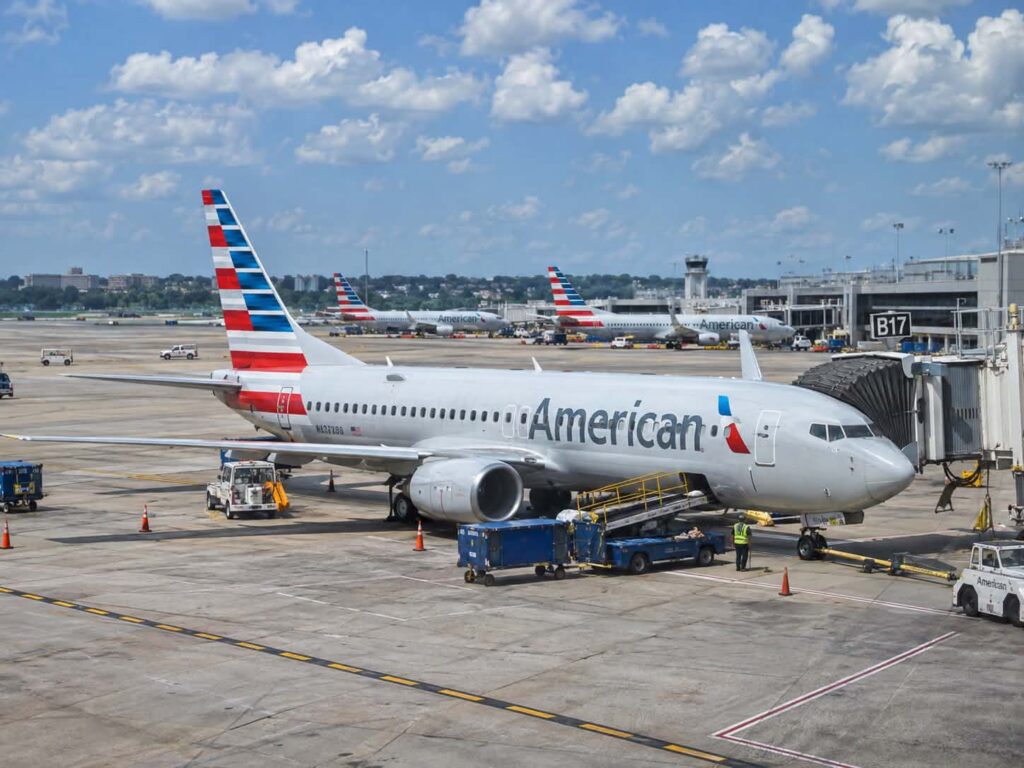
Major airlines continued to experience significant operational problems. Delta Air Lines, United Airlines, and American Airlines had each canceled roughly 25% of their Saturday schedules, while JetBlue had canceled nearly 45%, according to the figures provided.
Reuters also reported that combined disruptions involving flights into and out of the United States exceeded 10,000 at certain points on Saturday.
What Caused the Nationwide FAA Ground Stop?
The initial disruption began shortly before 4 p.m. Eastern Time Friday, when the FAA ordered a nationwide ground stop because of problems affecting air traffic control communications and radar information.
The issue was linked to telecommunications work being performed by contractor L3Harris at a remote FAA facility. The project involved replacing aging copper telecommunications lines with fiber-optic connections.
According to the reported technical explanation, a newly installed router began sending excessive data across the network, affecting other equipment and producing intermittent communications and radar-related problems at air route traffic control centers.
Technicians isolated the affected equipment, took the router offline, and restarted systems to restore normal functionality.
The ground stop was lifted at approximately 8:15 p.m. Eastern Time, after nearly five hours of disruption.
More Than 3,500 Aircraft Landed Safely
More than 3,500 aircraft were already airborne when the FAA issued the ground stop. Officials said those aircraft landed safely as air traffic controllers coordinated operations.
Of approximately 20,000 flights scheduled during the affected period, around 12,000—including commercial, private, and general aviation flights—could not operate as planned.
Transportation Secretary Sean Duffy announced Saturday morning that FAA systems had returned to full operations.
However, restoring the air traffic control system did not immediately return airline schedules to normal. Carriers still needed to reposition aircraft, organize crews, and accommodate passengers whose original flights had been canceled or delayed.
Staffing and Aircraft Repositioning Extend Flight Disruptions
Saturday’s cancellations were largely associated with the operational consequences of Friday’s shutdown.
Aircraft and crews were left in locations different from those planned in airline schedules. Staffing challenges and the need to reposition planes created additional complications for carriers attempting to resume regular service.
Some of the hardest-hit airports included:
- Hartsfield-Jackson Atlanta International Airport
- Chicago O’Hare International Airport
- John F. Kennedy International Airport in New York
- Dallas-Fort Worth International Airport
These major hubs handle substantial passenger traffic and connect travelers to destinations across the country and internationally. Disruptions at such airports can affect flights well beyond the locations where the original problems occurred.
At Indianapolis International Airport, cancellations reportedly declined from more than 150 early Saturday to approximately 45 by mid-morning, illustrating how operations were gradually changing throughout the day.
Passengers Face Long Waits and Expensive Alternatives
For many travelers, the consequences extended beyond delayed departures.
Tonya Owens, a 56-year-old nurse traveling to Miami for a cruise, described her family’s difficult experience to USA Today. The family had reportedly been waiting at the airport since 3:30 a.m. after their original seats were reassigned.
They faced the possibility of purchasing approximately $1,600 in replacement one-way tickets or requesting a refund.
The experience illustrates how a large-scale aviation disruption can affect more than a passenger’s flight. Travelers may also face additional expenses, missed reservations, disrupted vacation plans, and difficult decisions about alternative transportation.
Passengers affected by cancellations should contact their airlines directly to review available rebooking options and applicable refund policies.
FAA Projects Further Cancellations Before Recovery
FAA Administrator Bryan Bedford estimated that between 4,000 and 5,000 of the approximately 41,000 flights scheduled for Saturday would be canceled.
Despite the continued disruption, Bedford said the air traffic control system was stable and that on-time arrivals were improving.
He acknowledged that passengers would continue experiencing delays and cancellations but expressed confidence that the recovery would progress over the weekend.
“We will still have delays and cancellations today, but that will set us up for a full recovery tomorrow,” Bedford said.
Bedford also said airline partners believed they could restore full schedule integrity by the end of business Sunday.
By late Saturday, only dozens of Sunday cancellations had been recorded, a development consistent with the recovery timeline officials had outlined. However, the final outcome would depend on airline operations and whether remaining staffing and aircraft-positioning problems could be resolved.
Officials Say FAA Systems Have Returned to Full Operations
Duffy and Bedford emphasized that the incident did not cause any FAA facility to go completely dark.
Instead, the outage involved intermittent problems affecting communications and radar-related information, prompting officials to restrict operations while technicians addressed the issue.
The incident has renewed attention on the age of the technology supporting America’s air traffic control network.
Although newer equipment continued operating, the disruption demonstrated the operational risks associated with legacy infrastructure and the challenges of upgrading critical systems without interrupting service.
What Travelers Should Do Before Heading to the Airport
Even as airlines work toward restoring their schedules, passengers should not assume that every flight is operating normally.
Travelers can reduce the risk of additional inconvenience by taking several precautions:
- Check flight status: Review the airline’s website or app before leaving for the airport.
- Monitor notifications: Keep an eye on text messages and email updates about delays, gate changes, and cancellations.
- Contact the airline: Ask about rebooking options if a flight has been canceled or significantly delayed.
- Review refund policies: Check whether the airline’s offer is a refund, travel credit, or alternative itinerary.
- Allow extra time: Airport operations may remain unpredictable while carriers complete their recovery efforts.
Airline Recovery Continues After Major FAA Disruption
Friday’s nationwide FAA ground stop created a substantial challenge for airlines and passengers, with thousands of cancellations and delays continuing into Saturday.
Although federal officials said air traffic control systems had returned to full operations, carriers still faced the complicated task of restoring aircraft positions, crew schedules, and passenger itineraries.
Officials projected that the majority of operations could return to normal by Sunday evening. Until airlines complete that process, passengers should continue checking directly with their carriers for the latest information.
The disruption has also renewed questions about the reliability of aging air traffic control infrastructure and the importance of modernizing systems that support flights across the United States.

Benjamin Harris is a RapidReports front page contributor and editor,proud father of four.