Trump Responds to Americans Stockpiling Food and Water After Series of Major Service Outages
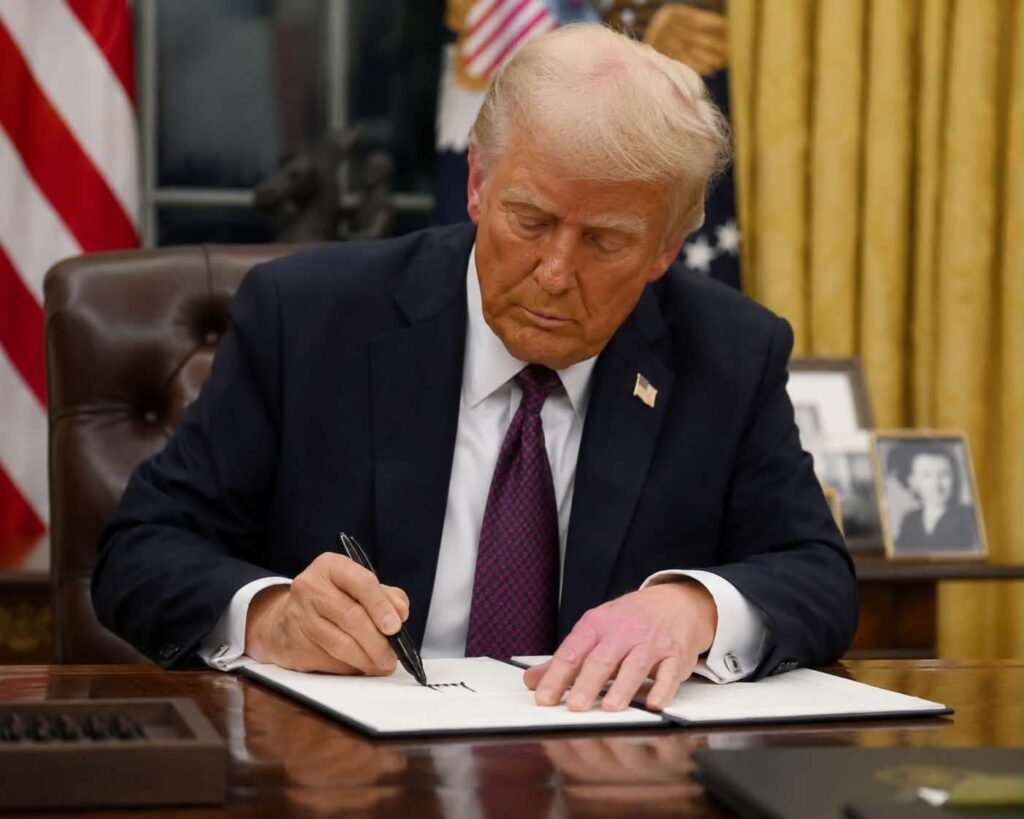
President Donald Trump has urged Americans not to panic or stockpile food and water following a series of disruptions affecting air travel, banking, email services and government communications systems. In an interview with Fox News correspondent Jacqui Heinrich from Shenzhen, China, Trump described the incidents as separate events and said there was no reason for the public to assume they were connected. His comments came as federal officials continued examining several technical failures and security concerns involving critical American infrastructure.
The president’s remarks followed growing public discussion about the reliability of essential services after multiple outages occurred within a relatively short period.
Disruptions affecting financial services, telecommunications, aviation systems and government networks have raised questions about the vulnerability of modern infrastructure. For some Americans, the incidents have also prompted concerns about whether they should prepare for additional interruptions by keeping emergency supplies at home.
Trump sought to discourage that reaction, telling viewers that the outages should not automatically be interpreted as evidence of a coordinated attack or a broader national emergency.
Trump Tells Americans Not to Panic or Stockpile Supplies
During an interview with Fox News correspondent Jacqui Heinrich, Trump was asked about discussions among Americans concerning the possibility of stockpiling food and water after several high-profile service disruptions.
The question came in the context of the president’s national emergency declaration concerning the American electric grid.
Trump responded directly, saying:
“Tell them to relax. Everything’s good. These are individual events.”
The president indicated that the recent incidents were receiving heightened attention partly because they had happened during his administration.
He also referenced a disruption involving JPMorgan Chase as an example of the service interruptions being discussed publicly.
Trump told Heinrich that he would inform Americans if officials identified a serious problem requiring broader public attention.
“I’ll let you know if there’s a problem,” he said.
The president also warned that any country found responsible for carrying out an attack against American infrastructure would face serious consequences.
His comments were intended to reassure the public while making clear that the administration considers attacks on critical infrastructure a matter of national security.
However, his remarks did not eliminate the need for federal agencies and private companies to investigate the causes of the separate outages.
National Emergency Declaration Focuses on Electric Grid Security
Trump’s comments also brought renewed attention to his national emergency declaration concerning the American electricity network.
The president issued the order on August 26, citing security risks associated with foreign-supplied equipment used in the nation’s power infrastructure.
The electric grid is one of the most important components of the American economy because it supports nearly every major sector, including healthcare, transportation, telecommunications, manufacturing, financial services and public safety.
Modern electricity networks rely on complex equipment and interconnected control systems that help power move from generation facilities to homes, businesses and public institutions.
Certain components are manufactured or supplied through international supply chains. That dependence has prompted concerns among national security officials about the possibility of equipment vulnerabilities, unauthorized access or disruptions affecting essential services.
The administration’s declaration reflects a broader effort to address potential risks involving foreign technology and critical infrastructure.
It is important, however, to distinguish the concerns cited in the electric-grid declaration from the separate service outages discussed during the Fox News interview. The available information does not establish that those incidents resulted from a single attack or a common cause.
Microsoft Outage Disrupts Email Services
One of the disruptions referenced in the report involved Microsoft services that affected email availability.
Email systems are essential to communication across government agencies, businesses, schools and private organizations. Even temporary interruptions can prevent employees from accessing messages, coordinating operations or completing time-sensitive work.
For companies that rely on cloud-based platforms, a service outage can affect multiple departments simultaneously.
The disruption also highlighted how dependent modern organizations have become on centralized technology providers.
When a major technology platform experiences technical problems, the consequences can extend beyond the company’s own operations and affect customers across different industries.
Nevertheless, an outage affecting email services does not automatically indicate a cyberattack.
Technical maintenance, configuration changes, software failures, network problems and other operational issues can also interrupt digital services.
The precise cause of each incident must be established through technical investigation rather than assumed from the timing of the disruption.
NSA Classified Communications Network Also Experiences Disruption
Another reported incident involved the National Security Agency’s classified internal communications network.
The NSA plays a central role in American intelligence and national security operations, making the reliability of its internal systems particularly important.
Classified communication networks are designed to support the secure exchange of sensitive information among authorized personnel and government facilities.
A disruption involving such a network can raise questions about operational continuity, technical resilience and the ability of intelligence organizations to maintain communications during unexpected events.
However, the existence of an outage does not establish that classified information was accessed, compromised or stolen.
The available reporting does not identify evidence that the NSA disruption resulted from a foreign cyberattack or a deliberate effort to interfere with American intelligence operations.
Federal officials have instead described the incidents under review as separate technical or maintenance-related events.
FAA Telecommunications Failure Causes Nationwide Ground Stop
Air travel was also affected by a telecommunications failure involving the Federal Aviation Administration.
The FAA issued a nationwide ground stop on Friday, November 13, after the reported telecommunications problem disrupted aviation operations.
A ground stop is a temporary measure that prevents certain aircraft from departing for affected destinations or entering impacted portions of the air traffic system.
Such measures are used to maintain safety when air traffic controllers or aviation authorities cannot reliably coordinate operations.
The disruption affected travelers, airlines and airport operations as authorities worked to restore normal service.
Air traffic resumed later that evening.
Although the incident caused concern because of its nationwide scope, the available reporting does not establish that the failure was part of a coordinated attack against American aviation infrastructure.
Telecommunications systems are essential to air traffic management, and failures can require authorities to restrict operations until they are confident that normal coordination can safely resume.
The incident demonstrated how technical problems involving one important communications system can have consequences across the broader transportation network.
Banking Disruption Adds to Public Concerns
The president also referred to a recent disruption involving JPMorgan Chase.
Major financial institutions depend on complex digital systems to process payments, manage customer accounts, communicate with other banks and support financial markets.
When a banking platform becomes unavailable, customers may experience difficulty accessing account information, completing transactions or using certain digital services.
Even short interruptions can generate public concern because banking services are closely connected to household finances and everyday business activity.
However, an interruption involving a financial institution should not automatically be interpreted as evidence that money has disappeared or that the banking system is facing a wider crisis.
The specific cause, duration and operational impact of an outage must be established through information from the institution and relevant regulators.
The available reporting does not establish that the banking disruption was connected to the Microsoft, NSA or FAA incidents.
Intelligence Chief Says Officials Found Separate Causes
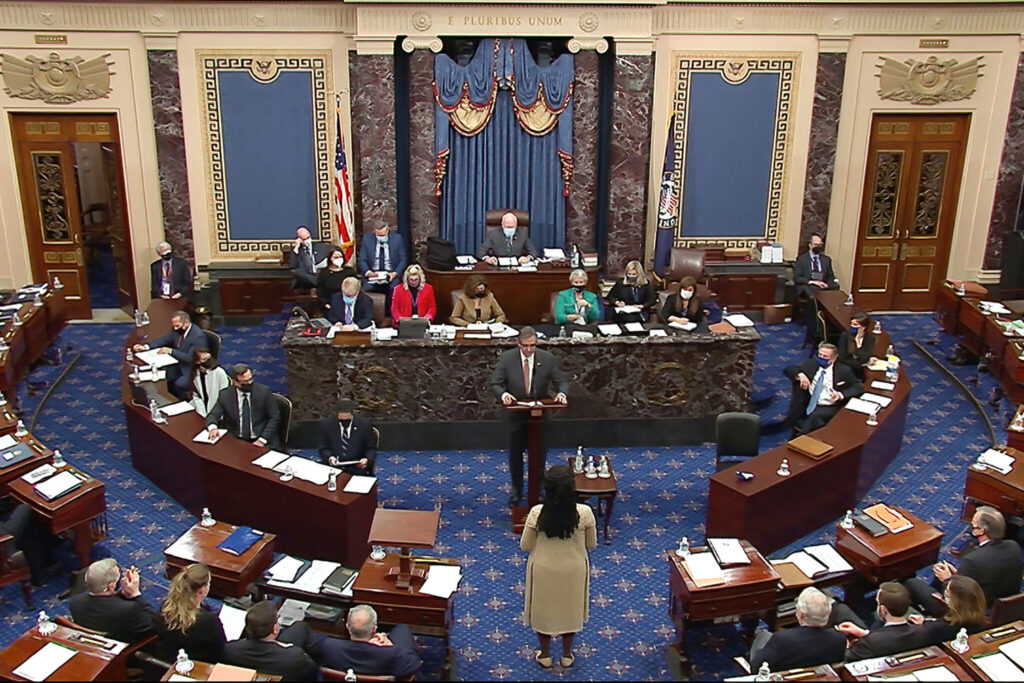
Federal officials addressed the broader pattern of disruptions during a congressional hearing on Wednesday.
Director of National Intelligence Jay Clayton told the House Homeland Security Committee that investigators had identified separate outages associated with maintenance work and technical changes.
Based on the information available to officials at the time, Clayton said the disruptions were neither coordinated nor state-sponsored.
His comments were significant because they addressed one of the central questions raised by the timing of the incidents: whether multiple service interruptions represented evidence of a broader campaign against American infrastructure.
Clayton’s assessment indicated that officials had not identified a common foreign actor or coordinated operation linking the outages.
That does not mean every technical question has necessarily been resolved. Investigations can continue as agencies review system logs, maintenance records, network configurations and other technical evidence.
But his testimony provided an important distinction between several incidents occurring close together and a confirmed coordinated attack.
Lawmakers Question Why So Many Disruptions Occurred Within Days
During the congressional hearing, lawmakers pressed Clayton about why so many outages had taken place within a relatively short period.
The timing had attracted attention because the affected systems served different purposes and operated across separate sectors of the American economy.
The incidents included disruptions involving email services, intelligence communications, banking operations and air traffic telecommunications.
Clayton pointed to an increase in system upgrades as one possible explanation for the pattern described by officials.
Modern technology infrastructure requires continuous maintenance and periodic upgrades to remain secure, reliable and compatible with changing operational requirements.
These changes can involve replacing equipment, updating software, modifying network configurations and improving system performance.
However, maintenance and upgrades can also introduce operational risks if systems are not configured correctly or if changes create unexpected compatibility problems.
This is why large organizations typically use testing, monitoring and contingency procedures when modifying critical systems.
The federal government’s review will be important in determining whether the incidents resulted from routine technical problems, inadequate safeguards or other issues requiring additional attention.
Why America’s Critical Infrastructure Is a National Security Priority
The recent outages have renewed attention on the importance of protecting critical infrastructure.
Critical infrastructure refers to systems and assets whose disruption could have significant consequences for national security, public safety, economic stability or everyday life.
In the United States, these systems include:
- Electricity: Power generation, transmission networks and distribution systems that supply homes, hospitals and businesses.
- Transportation: Aviation, railways, ports, highways and the communications networks that coordinate movement.
- Financial services: Banking platforms, payment systems and financial market infrastructure.
- Telecommunications: Internet connectivity, mobile networks and essential communications services.
- Government systems: Digital platforms supporting public administration, intelligence operations and emergency response.
- Healthcare: Hospital networks, medical technology and systems that support patient care.
These sectors are increasingly interconnected.
For example, airports rely on electricity and telecommunications, while banks depend on data centers, network connectivity and reliable power supplies.
A disruption in one area can therefore affect other services even when those systems are not directly targeted.
This interconnectedness explains why government agencies and private companies invest in cybersecurity, backup systems, emergency planning and technical resilience.
It also explains why officials take unusual service interruptions seriously even when the initial evidence points toward technical failures rather than deliberate attacks.
Should Americans Prepare for Possible Service Outages?
Trump’s comments addressed public concerns about stockpiling food and water, but the broader issue of household emergency preparedness remains relevant.
Temporary interruptions can occur for many reasons, including severe weather, power failures, telecommunications problems, technical maintenance and unexpected equipment breakdowns.
Basic emergency preparation is generally intended to help households manage short disruptions without resorting to panic buying or excessive stockpiling.
Practical preparedness can include keeping essential medications available, maintaining flashlights and batteries, storing drinking water, having a basic first-aid kit and knowing how to receive official emergency information.
Households may also benefit from keeping some essential contact information available offline in case mobile networks or internet services become temporarily unavailable.
The objective is not to assume that a major national crisis is imminent. It is to reduce unnecessary disruption if ordinary services become unavailable for a limited period.
Americans should rely on information from relevant government agencies and local emergency authorities rather than unverified claims circulating online.
What the Administration’s Response Means
Trump’s remarks indicate that the administration does not want Americans to interpret the recent outages as evidence of an immediate nationwide emergency.
At the same time, the president’s warning about serious consequences for any country found responsible for an attack reflects the administration’s position that deliberate interference with American infrastructure would be treated as a national security issue.
Clayton’s congressional testimony provided additional context by stating that officials had identified separate causes and had not found evidence that the incidents were coordinated or state-sponsored.
Together, the statements highlight two related but distinct responsibilities for the federal government.
The first is to investigate potential threats to essential infrastructure and respond appropriately when evidence supports a security concern.
The second is to communicate clearly with the public so that separate technical failures do not create unnecessary fear or confusion.
For Americans, reliable information about the causes and consequences of outages is essential to understanding the actual risks.
Conclusion: Trump Urges Calm as Federal Officials Examine Recent Outages
President Donald Trump has urged Americans to remain calm and avoid unnecessary stockpiling after a series of disruptions affected banking, email services, intelligence communications and air travel.
Speaking with Fox News correspondent Jacqui Heinrich from Shenzhen, China, the president described the incidents as individual events and said he would inform the public if officials identified a serious problem.
The outages have nevertheless prompted questions about the resilience of American infrastructure and the risks associated with increasingly interconnected technology systems.
Director of National Intelligence Jay Clayton told lawmakers that officials had identified separate incidents involving maintenance and technical changes. Based on the information available at the time, he said the disruptions were neither coordinated nor state-sponsored.
The FAA’s nationwide ground stop, the reported Microsoft and NSA disruptions, and the banking incident demonstrate how technical failures can affect important services. They do not, by themselves, prove that a foreign government or organized group carried out a coordinated attack.
As investigations continue, the most important priorities will be identifying the precise causes, strengthening system reliability and communicating verified information to the public.
For now, the administration’s message is that Americans should avoid panic while remaining informed about developments involving the country’s essential infrastructure.

Benjamin Harris is a RapidReports front page contributor and editor,proud father of four.