Gas Prices Drop to $3.69 Nationwide as Drivers Get Relief Ahead of Thanksgiving
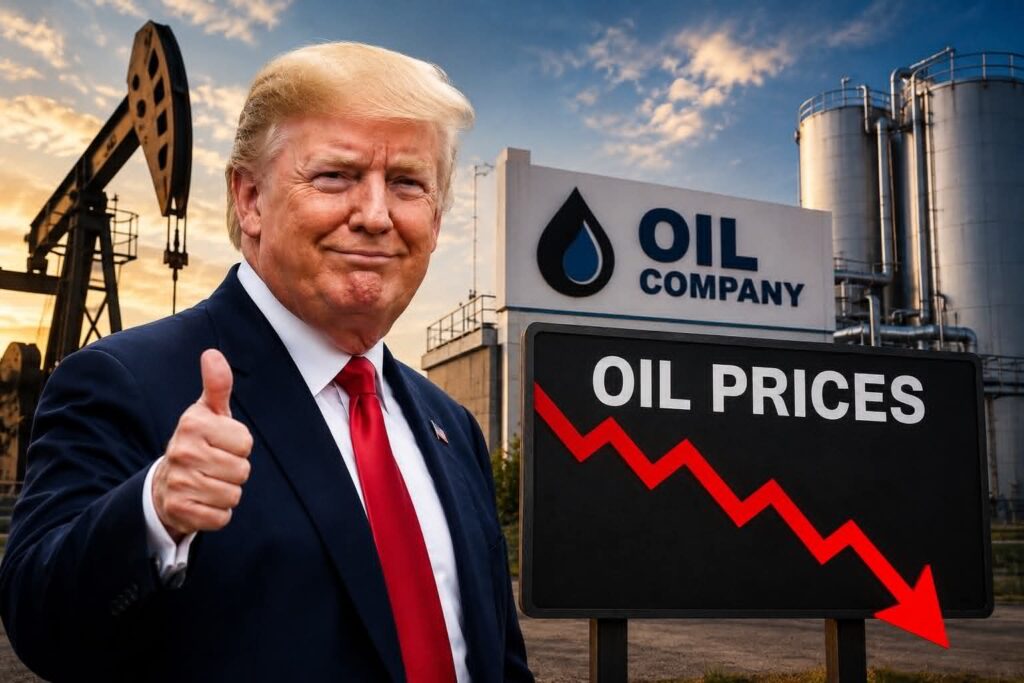
Gasoline prices have continued to fall across the United States, with AAA reporting a national average of approximately $3.69 per gallon on November 20, 2026. That represents a substantial decline from the $4.48 average recorded on September 24, offering motorists some relief ahead of the Thanksgiving travel period. Diesel prices have also fallen below $6 per gallon, easing some of the pressure on trucking companies and businesses that depend on road transportation.
The decline has been especially noticeable over the past several weeks. After gasoline prices climbed above $4 per gallon during the summer and early fall, the national average dropped below that level in November. Lower crude oil prices, improving fuel availability, seasonal changes in demand and reduced concerns about supply disruptions have all contributed to the retreat.
National Gasoline Average Falls Below $3.70
AAA’s national average for regular gasoline stood at approximately $3.69 per gallon on November 20. That is nearly 79 cents below the $4.48 average recorded on September 24.
The difference represents meaningful savings for motorists. A driver filling a 15-gallon tank would pay approximately $11.88 less at the November 20 national average than at the September 24 price.
The improvement has followed months of elevated fuel costs, when disruptions to global oil supplies and geopolitical tensions pushed crude prices higher.
AAA reported that the national average had fallen to $3.72 on November 19, down 18 cents from the previous week. The decline has helped reduce the cost of travel just as millions of Americans prepare for Thanksgiving visits and holiday road trips.
However, gasoline remains more expensive than it was a year ago. AAA’s November 19 figures showed the national average was still more than 60 cents above the comparable level in November 2025.
Why Gas Prices Have Been Falling
Several developments have contributed to the recent decline in gasoline prices.
One important factor is the reduction in crude oil prices. Crude oil is the primary raw material used to produce gasoline, meaning changes in the global oil market can eventually affect what motorists pay at fuel stations.
The International Energy Agency’s November Oil Market Report documented a significant increase in global oil supply. Worldwide production rose by 3 million barrels per day in September and increased by another 2.3 million barrels per day in October, reaching approximately 105.4 million barrels per day.
The increase was supported by stronger exports from Gulf producers, including a recovery in shipments through the Strait of Hormuz.
The agency said the improvement in supply had helped ease pressure on the oil market, although disruptions and security risks remained.
Seasonal conditions have also played a role. Gasoline demand generally declines as summer driving ends and temperatures fall. Refineries also transition to winter gasoline blends, which are generally less expensive to produce than summer formulations.
In addition, refinery maintenance and repairs have helped improve fuel production and availability.
Together, these developments have helped push wholesale fuel costs lower and contributed to the decline at the pump.
Strait of Hormuz Recovery Eases Oil Market Concerns
The Strait of Hormuz remains an important factor in the global energy market.
The narrow waterway connects the Persian Gulf with the Gulf of Oman and the wider international shipping network. A substantial portion of the world’s seaborne oil trade normally passes through the strait, making it a critical route for energy exports.
The conflict involving Iran and the wider disruption to regional energy shipments created significant uncertainty for oil traders and fuel suppliers earlier in the year.
Concerns about attacks on shipping and energy infrastructure contributed to higher oil prices as markets anticipated possible shortages.
More recently, exports from Gulf producers have recovered, helping restore some of the supply lost during the conflict.
The International Energy Agency reported that Gulf oil exports, excluding Oman, reached 18.4 million barrels per day in October. Although that remained below prewar levels, the improvement was substantial enough to help increase overall global supply.
The agency also cautioned that the recovery remains vulnerable. Continued attacks on shipping and energy infrastructure could disrupt exports again, potentially putting renewed pressure on crude prices.
For motorists, this means the recent improvement in gasoline prices is encouraging but not guaranteed to continue indefinitely.
Diesel Prices Fall Below $6 Per Gallon
The decline has also reached the diesel market, offering some relief to trucking companies, farmers and businesses that rely on transportation.
The U.S. average retail diesel price fell below $6 per gallon in mid-November for the first time since early September.
The Energy Information Administration reported a national average of approximately $5.94 per gallon for the week reported November 17. That represented a decline of about 19 cents from the previous week.
Diesel prices had reached a record high of approximately $6.53 per gallon in September, placing substantial pressure on commercial transportation costs.
The recent reduction is significant because diesel is widely used in freight trucks, agricultural machinery, construction equipment and other commercial vehicles.
When diesel prices increase, transportation companies often face higher operating expenses. Those costs can eventually be passed along to businesses and consumers through more expensive deliveries, groceries, construction materials and other goods.
GasBuddy petroleum analyst Patrick De Haan described the move below $6 as an important development for truckers and consumers.
However, diesel markets remain more vulnerable to supply shortages than gasoline markets in some regions. The International Energy Agency has warned that global diesel availability remains constrained by disruptions affecting Russian and Middle Eastern exports.
How Many States Have Gas Prices Below $4?
The national average does not tell the entire story because gasoline prices vary considerably from state to state.
As of November 17, AAA data showed that regular gasoline cost less than $4 per gallon in approximately 37 states. Thirteen states remained above that threshold.
California and Hawaii continued to record some of the highest average prices, while several southern states had considerably cheaper gasoline.
On November 17, Texas averaged approximately $3.25 per gallon, while Georgia was around $3.31 and North Carolina approximately $3.09.
By contrast, California averaged more than $5.50 per gallon, and Hawaii remained close to $5.60.
New York was also above the $4 threshold, with an average of approximately $4.12 on November 17. Drivers in the state therefore continued to pay considerably more than motorists in many southern and central states.
Regional differences reflect several factors, including state fuel taxes, transportation costs, refinery capacity, environmental fuel requirements and the distance between fuel distribution centers and retail stations.
Consequently, a decline in the national average does not necessarily mean every driver will experience the same savings.
Thanksgiving Travelers Could Benefit From Lower Prices
The timing of the gasoline decline is particularly important for households preparing for Thanksgiving.
AAA projected that nearly 73 million Americans would travel by road during the holiday period, making lower fuel prices welcome news for families planning longer journeys.
For many households, gasoline is a major part of the cost of holiday travel. A reduction of several dozen cents per gallon can produce noticeable savings, particularly for drivers making long-distance trips or traveling in larger vehicles.
The difference can be especially significant for families filling their tanks multiple times during a holiday journey.
However, drivers should remember that fuel costs can vary substantially depending on the state, metropolitan area and individual gas station.
Motorists can often save money by comparing nearby prices, avoiding unnecessary detours and checking their vehicle’s tire pressure before a long trip.
Will Gas Prices Continue to Decline?
Whether gasoline prices continue falling will depend on several developments in the energy market.
The recent increase in global oil production has helped ease supply concerns, while lower seasonal demand and improved refinery operations have contributed to cheaper fuel.
The International Energy Agency’s November report indicated that global oil supply had increased substantially, with the market showing signs of moving toward a surplus during the final quarter of 2026.
That could provide additional downward pressure on crude prices if production and exports remain stable.
Nevertheless, significant risks remain.
Renewed conflict involving Iran, attacks on oil tankers, damage to energy infrastructure or disruptions to shipping through the Strait of Hormuz could quickly change the market outlook.
Weather conditions can also influence refinery operations and fuel distribution, particularly during the winter months.
In addition, gasoline prices do not always move in direct proportion to crude oil prices. Refining costs, transportation expenses, taxes and regional supply conditions all affect the final amount drivers pay.
For that reason, analysts generally caution against assuming that a rapid decline will continue at the same pace.
Lower Fuel Costs Offer Welcome Relief to American Drivers
The decline in gasoline prices represents a welcome change after months of elevated costs.
AAA’s national average fell from approximately $4.48 per gallon in late September to around $3.69 by November 20. Diesel has also moved below $6, providing some relief to businesses that depend on fuel-intensive transportation.
The improvement has been supported by stronger global oil supply, recovering exports through the Persian Gulf, lower seasonal demand and improved refinery availability.
For households preparing to travel during Thanksgiving, the reduction could translate into meaningful savings.
However, gasoline remains more expensive than it was at the same time last year, and the global energy market continues to face geopolitical risks.
For now, drivers are benefiting from a sustained decline in pump prices. Whether that relief lasts through the winter will depend largely on oil production, shipping conditions, refinery operations and the direction of global demand.

Benjamin Harris is a RapidReports front page contributor and editor,proud father of four.