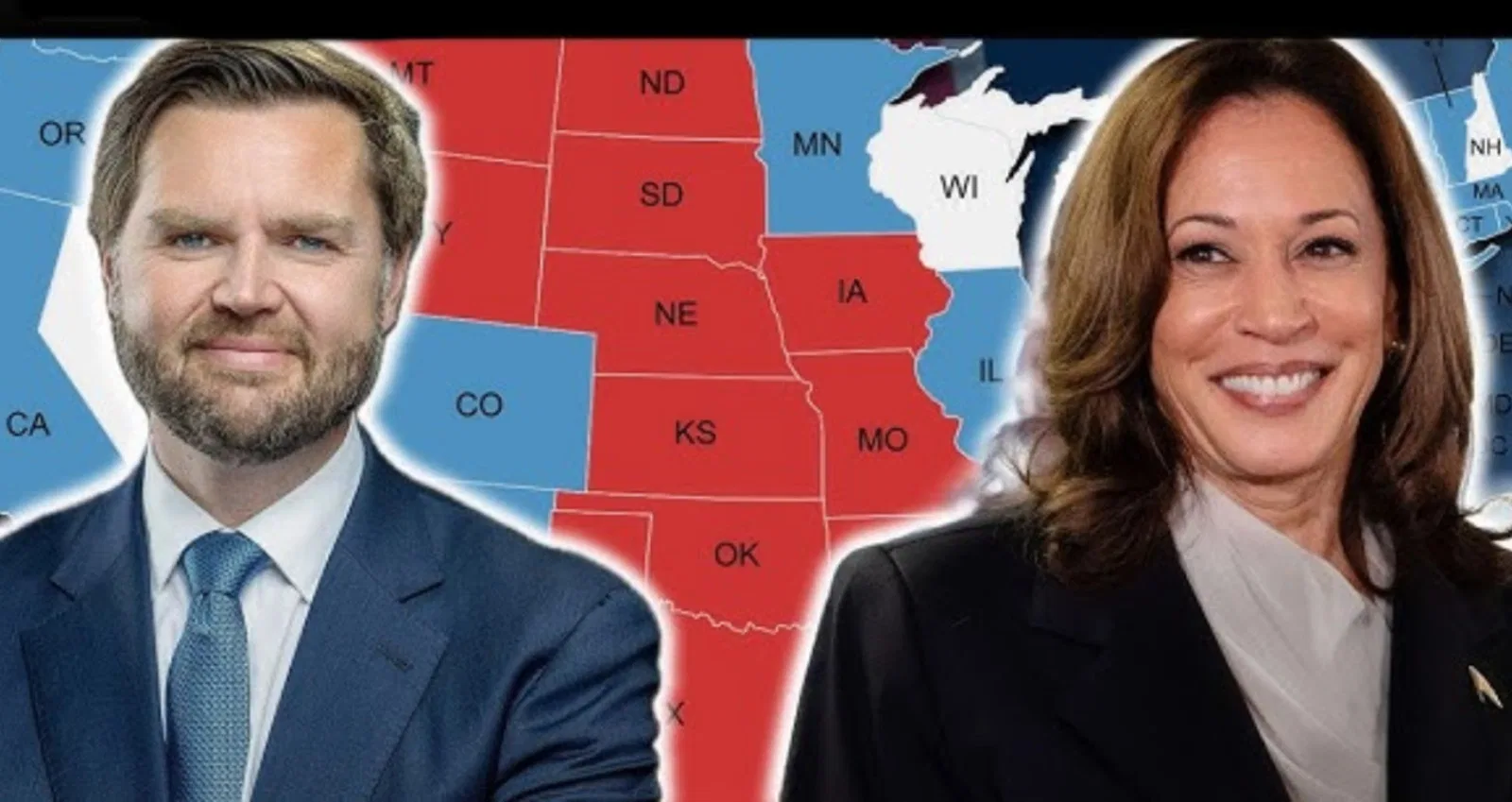
An AI-generated forecast of the 2028 U.S. presidential election has gained attention online after a simulation produced by Grok—developed by a company linked to Elon Musk—projected a hypothetical outcome based on selected candidates. The model, featured in a YouTube video, created a state-by-state electoral map and vote estimates, though it is important to note that no official candidates for 2028 have been घोषित and such projections are purely speculative.
In the simulation, JD Vance was projected to win with 312 electoral votes, compared to 212 for Kamala Harris. The model used assumptions about current political trends and hypothetical matchups rather than confirmed campaign dynamics. Analysts generally caution that forecasts this far in advance are highly uncertain and sensitive to changing political conditions.
The video also referenced early polling and political positioning within both parties. On the Democratic side, Harris was shown leading potential contenders such as Gavin Newsom and Pete Buttigieg. On the Republican side, Vance was depicted as leading figures like Donald Trump Jr., Marco Rubio, and Ron DeSantis in early hypothetical polling scenarios.
While the simulation outlines possible electoral trends—such as Republican strength in traditionally conservative states and Democratic advantages on the West Coast and in the Northeast—it does not represent an actual forecast. Election outcomes depend on many evolving factors, including candidate decisions, economic conditions, and voter turnout, all of which remain unknown this far ahead of the 2028 race.