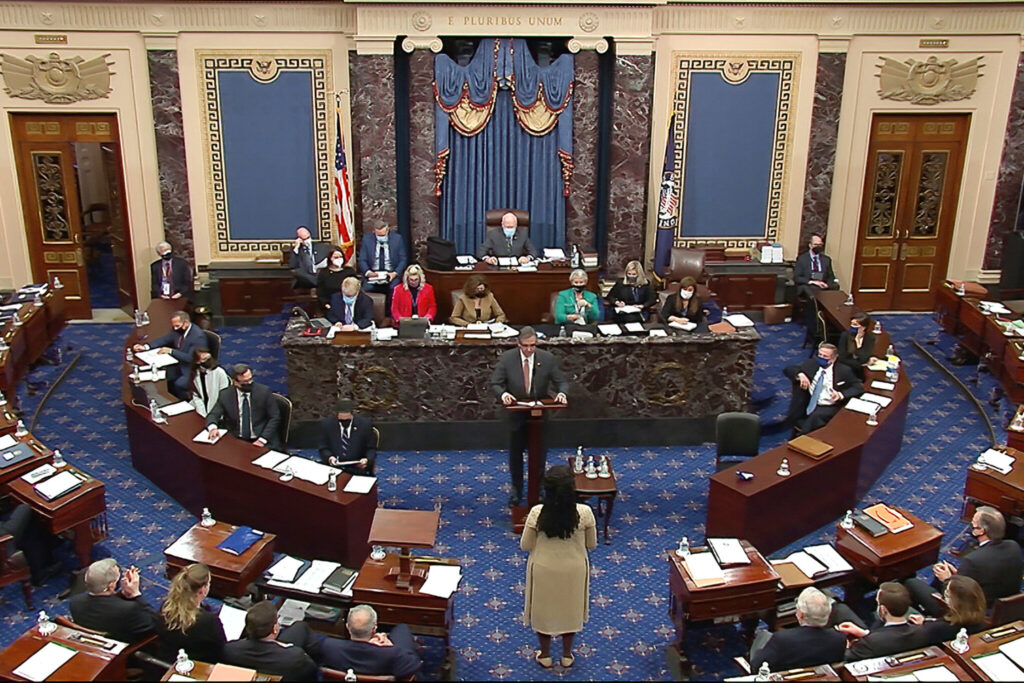

Jury Sentences Karmelo Anthony to 35 Years Following Fatal Track Meet Incident
A Collin County jury sentenced Karmelo Anthony to 35 years in prison after finding him guilty of murder in connection with the death of Austin Metcalf.
The sentencing took place after several days of testimony and legal arguments in a case that drew significant public attention across Texas and beyond.
Anthony, who was 17 years old at the time of the incident, faced a possible sentence ranging from several years in prison to life imprisonment under Texas law.
Following the jury’s decision, the court announced that Anthony would become eligible for parole after serving the portion of his sentence required by state regulations.
The courtroom was emotional as family members, attorneys, and observers listened to the sentence being read.
Court officials then took Anthony into custody following the conclusion of the hearing.
The sentencing phase included statements from members of Austin Metcalf’s family, who spoke about the lasting impact of his death on their lives.
Family members described the challenges they have faced since losing a son, brother, teammate, and friend.
Austin Metcalf was 17 years old when he died during a confrontation at a high school track meet in Frisco, Texas.
His death prompted widespread discussion about school safety, youth violence, and accountability.
During the hearing, Austin’s father addressed the court and reflected on the profound loss experienced by his family.
He spoke about the emotional toll that followed the incident and the changes it brought to their daily lives.
Family members emphasized that no court decision could fully restore what had been lost.
At the same time, they expressed appreciation for the opportunity to share their experiences before sentencing was finalized.
Austin’s twin brother also spoke during the proceedings.
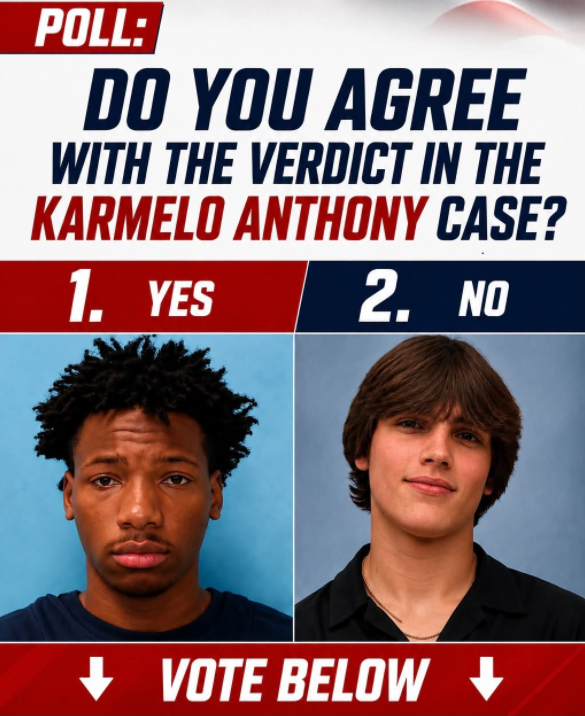
[poll id=”2″]
He described the close relationship the brothers shared throughout their lives.
According to family members, the twins spent much of their childhood together and remained deeply connected during their high school years.
His statement focused on the emotional consequences that followed the loss of his brother.
He explained that everyday moments continue to remind him of the absence left behind.
Several family members described Austin as a positive influence on those around him.
They remembered him as an active student who participated in athletics and maintained strong friendships.
Friends and teammates had previously testified about his leadership qualities and commitment to his school community.
During the sentencing hearing, a presentation featuring photographs from Austin’s life was shown in the courtroom.
The images highlighted family memories, school activities, and athletic accomplishments.
Austin’s mother also addressed the court during the hearing.
She reflected on her final interactions with her son before he attended the track meet where the incident occurred.
Her statement focused on the lasting effects of grief and the difficulty of adjusting to life without him.
She spoke about preserving memories through photographs and videos collected over the years.
Members of the Metcalf family said that the impact of the tragedy continues to be felt every day.
They noted that major family events and ordinary routines have been affected by Austin’s absence.
Before the sentence was announced, Anthony’s mother addressed the jury and asked for leniency.
She described her son as her first child and expressed continued love and support for him.
Her testimony focused on his upbringing and the challenges facing the family throughout the legal process.
She also stated that her son regretted the events that led to Austin Metcalf’s death.
Defense attorneys highlighted those remarks as they argued for a lesser punishment.
Jurors were asked to consider several factors while determining an appropriate sentence.
One issue involved whether Anthony acted under what Texas law describes as sudden passion.
A finding in favor of that argument could have reduced the maximum sentence available to the jury.
After reviewing the evidence and testimony, jurors declined to make that finding.
As a result, the full sentencing range remained available during deliberations.
The jury ultimately selected a sentence of 35 years in prison.
The decision came after jurors reviewed evidence presented during both the trial and punishment phases.
Following the verdict, Collin County District Attorney Greg Willis addressed reporters outside the courthouse.
He said the outcome reflected the jury’s evaluation of the evidence presented during the proceedings.
Willis also stated that the county remains committed to supporting victims and maintaining safe school environments.
The trial included testimony from numerous witnesses who were present at the track meet.
Students, coaches, law enforcement officers, and forensic experts all appeared before the jury.
Many witnesses described the events that unfolded at Kuykendall Stadium on April 2, 2025.
Their accounts formed the foundation of the prosecution’s case.
Jurors heard evidence regarding the interactions that occurred before the fatal encounter.
According to testimony, the incident began under a team tent during a rainy day at the athletic event.
The meet included participants from multiple schools across North Texas.
Witnesses testified that Anthony was sitting beneath a tent associated with another school’s team.
Several students said questions arose about why he was there.
According to testimony, students asked Anthony to leave the area on multiple occasions.
Witnesses offered varying estimates regarding how many times those requests were made.
The exchanges eventually developed into a verbal disagreement.
Several students described the atmosphere becoming increasingly tense.
Witness testimony indicated that Austin Metcalf later became involved in the discussion.
Students provided differing accounts about the exact sequence of events that followed.
However, multiple witnesses agreed that a confrontation occurred shortly before the stabbing.
Throughout the trial, attorneys examined details about the interaction between the two teenagers.
Witnesses described different perspectives based on where they were standing at the time.
Some accounts differed regarding physical contact that occurred immediately before the incident.
Those differences became a major focus during cross-examination by both legal teams.
Prosecutors argued that the evidence showed Anthony escalated a verbal dispute into a deadly encounter.
They maintained that the response was not justified by the circumstances described by witnesses.
The prosecution called more than twenty witnesses during the presentation of its case.
Those witnesses included students who observed the confrontation firsthand.
Investigators also explained how evidence was collected and analyzed after the incident.
Law enforcement officers testified about their actions upon arriving at the scene.
Jurors additionally heard testimony from medical professionals involved in the investigation.
The medical examiner discussed findings related to Austin Metcalf’s death.
That testimony represented one of the most serious portions of the trial.
Some family members chose not to remain in the courtroom during parts of the medical testimony.
Court records showed that prosecutors relied on witness statements, physical evidence, and expert analysis to support their case.
Defense attorneys challenged portions of that evidence throughout the proceedings.
The defense argued that Anthony acted in self-defense during the encounter.
Attorneys emphasized differences in size between the two teenagers.
They also pointed to testimony regarding physical contact that occurred before the stabbing.
Defense lawyers argued that Anthony believed he faced a threat during the confrontation.
They maintained that his actions should be evaluated within the context of that belief.
Jurors spent days listening to testimony from both sides before beginning deliberations.
The case presented complex questions involving witness credibility and differing accounts.
Attorneys repeatedly encouraged jurors to focus closely on the evidence presented in court.
Closing arguments summarized each side’s interpretation of the events.
After deliberating for several hours, jurors reached a unanimous verdict.
Their decision marked the conclusion of one of the most closely watched criminal trials in the region.
Jury Sentences Karmelo Anthony to 35 Years Following Fatal Track Meet Incident (Part 2)
As the trial continued, jurors heard extensive testimony from students who attended the track meet on the day of the incident.
Many of the witnesses were athletes representing schools from across the North Texas region.
Several students described the weather conditions as rainy and crowded, with participants seeking shelter under tents positioned around the stadium.
According to testimony, team tents were commonly used by athletes to stay dry and rest between events.
Witnesses explained that athletes generally remained with their own teams during competitions.
However, some testified that students occasionally visited tents belonging to other schools without creating problems.
The question of why Anthony was sitting beneath the Memorial High School tent became an important part of the case.
Multiple witnesses stated that students asked him to leave before the confrontation escalated.
Jurors heard differing estimates regarding how many requests were made.
Some students recalled only a few exchanges, while others believed the requests continued for several minutes.
Several witnesses testified that the conversation gradually became more confrontational.
Students described a tense atmosphere developing as the disagreement continued.
Some witnesses recalled hearing statements that they interpreted as challenges or warnings.
Others testified that the conversation appeared to be moving toward a physical confrontation.
Throughout the trial, attorneys questioned witnesses carefully about what they saw and heard.
Because many students observed the incident from different locations, accounts occasionally varied.
Prosecutors argued that those differences were expected in a rapidly unfolding situation.
The defense emphasized the inconsistencies as evidence that witness memories were not identical.
Jurors were tasked with evaluating the credibility and reliability of each account.
Witnesses were frequently asked to clarify where they were standing during key moments.
Attorneys also used diagrams and photographs to help establish the positions of students involved.
One issue discussed repeatedly involved the physical contact that occurred before the stabbing.
Witnesses provided different descriptions of that interaction.
Some described a push, while others recalled a grab or brief contact.
The testimony did not produce a completely uniform account of those final seconds.
Despite those differences, multiple witnesses agreed that the confrontation became physical shortly before Austin Metcalf was injured.
The jury reviewed testimony from students who were among the closest observers.
Several described feelings of confusion immediately after the incident occurred.
Some testified that they did not initially understand the seriousness of what had happened.
Others said they only realized the extent of the situation moments later.
Emergency responders arrived after the incident and attempted to provide assistance.
Law enforcement officers also secured the area and began interviewing witnesses.
Investigators collected evidence from the scene and documented conditions inside the stadium.
Their findings later became part of the evidence presented during trial.
The prosecution called officers who explained the investigative process.
Those witnesses described how statements were gathered and compared during the inquiry.
Jurors also heard testimony concerning evidence recovered after the incident.
Attorneys questioned investigators about procedures used to preserve and analyze that evidence.
The defense challenged portions of the state’s interpretation while acknowledging that Anthony was responsible for the stabbing.
The central disagreement focused on whether his actions were legally justified as self-defense.
Throughout the trial, both sides presented competing narratives about the confrontation.
Prosecutors argued that the evidence showed an unnecessary escalation of a verbal disagreement.
Defense attorneys argued that Anthony believed he was facing an immediate threat.
Jurors were instructed to consider the law carefully when evaluating those arguments.
The court provided guidance regarding self-defense standards under Texas law.
Those instructions became an important part of jury deliberations.
Witness testimony was not limited to students who observed the confrontation.
Coaches and school personnel also appeared before the jury.
They provided context about track meet procedures and team organization.
Several coaches explained how tents are typically assigned during athletic competitions.
Testimony indicated that teams generally use designated areas for their athletes.
Witnesses also discussed expectations regarding interactions between students from different schools.
One coach testified that athletes sometimes gather in shared spaces without incident.
However, he acknowledged that students are generally expected to leave another team’s area if asked.
That testimony became part of the broader discussion surrounding the events that preceded the confrontation.
Jurors heard from individuals who knew Anthony through athletics.
Some witnesses spoke about his participation in school activities and sports programs.
Others provided observations about his behavior before and after the incident.
The defense sought to present a fuller picture of Anthony’s background.
Attorneys called witnesses who described positive aspects of his character and personal history.
Those statements were offered during the punishment phase as jurors considered sentencing.
Character testimony is a common feature of criminal proceedings involving serious charges.
Such evidence allows jurors to consider a defendant’s life beyond the circumstances of the offense.
At the same time, prosecutors highlighted the consequences suffered by the victim’s family.
The punishment phase focused heavily on the lasting impact of Austin Metcalf’s death.
Family members described emotional, personal, and practical challenges that followed the tragedy.
Their statements reflected the long-term effects of losing a loved one unexpectedly.
Several witnesses remembered Austin as a dedicated student and athlete.
Former teammates described him as someone who encouraged others and led by example.
Friends testified that he maintained strong relationships with classmates and coaches.
Many of those memories were shared throughout the proceedings.
Some student witnesses became emotional while testifying.
Court observers noted the difficulty many young witnesses experienced when discussing the events.
Several teenagers were recounting a traumatic experience in a formal courtroom setting.
Judges and attorneys allowed witnesses time to compose themselves when necessary.
The emotional nature of the testimony underscored the seriousness of the case.
Jurors listened attentively as witnesses described their memories.
The trial also highlighted the broader impact that violent incidents can have on school communities.
Students who attended the track meet were forced to process a tragedy that unfolded in a familiar environment.
Teachers, coaches, and parents likewise faced challenges supporting young people affected by the event.
Many witnesses spoke about the lasting memories associated with that day.
The proceedings demonstrated how a single incident can affect a large number of individuals.
Court records reflected testimony from people whose lives intersected with both families.
As the evidence phase concluded, attorneys prepared for closing arguments.
Prosecutors summarized witness testimony that supported their interpretation of events.
They argued that the evidence established criminal responsibility beyond a reasonable doubt.
Defense attorneys emphasized uncertainty surrounding key details of the confrontation.
They urged jurors to consider whether Anthony reasonably believed he needed to protect himself.
Both sides asked jurors to examine the evidence carefully and apply the law as instructed.
The closing arguments represented the final opportunity for attorneys to address the jury directly.
Afterward, jurors began deliberations behind closed doors.
Their discussions focused on the evidence presented over the course of the trial.
Court officials reported that jurors reviewed testimony, exhibits, and legal instructions before reaching a decision.
The deliberation process lasted several hours.
Eventually, the jury returned to the courtroom with its verdict.
The finding of guilt marked a major turning point in the proceedings.
Attention then shifted toward determining an appropriate sentence.
The punishment phase allowed both sides to present additional information.
Jurors considered aggravating and mitigating factors before deciding on a sentence.
The final sentence reflected the jury’s judgment after hearing all available evidence.
The outcome concluded a case that had been followed closely by local and national audiences.
Media coverage remained extensive throughout the proceedings.
Public interest was fueled by legal questions, community reactions, and ongoing discussions about self-defense claims.
Observers from outside Texas also followed developments as the trial progressed.
The case generated significant discussion across social media platforms and news outlets.
Many commentators emphasized the importance of allowing the judicial process to reach its conclusion.
Legal experts noted that courtroom evidence, rather than public opinion, ultimately guides jury decisions.
Judges repeatedly reminded participants that verdicts must be based solely on evidence presented during trial.
That principle remained central throughout the proceedings.
By the conclusion of the second phase of testimony, jurors had heard from dozens of witnesses and reviewed extensive evidence.
Their decision reflected the culmination of months of investigation and preparation by both sides.
The sentencing marked the end of the trial itself, though public discussion surrounding the case continued.
The events examined in court left a lasting impression on the families involved and the broader community.
As attention turned toward the future, many participants emphasized the importance of healing and moving forward.
The case remained a reminder of the profound consequences that can result from conflicts among young people.
For students, parents, educators, and community leaders, the tragedy reinforced ongoing conversations about safety, communication, and responsible decision-making.
Those discussions are expected to continue long after the courtroom proceedings have ended.
The sentencing hearing then shifted attention toward the consequences of the conviction.
Both families faced an emotional conclusion to a legal process that had lasted many months.
The case continued to generate public interest throughout the trial.
Supporters of both families gathered outside the courthouse during key stages of the proceedings.
Local authorities maintained a visible security presence around the courthouse complex.
Officials monitored demonstrations to ensure public safety and orderly conduct.
Most gatherings remained peaceful despite strong emotions surrounding the case.
Community members expressed a range of opinions regarding the trial and its outcome.
Throughout the proceedings, court officials emphasized the importance of allowing the legal process to operate independently.
Attorneys on both sides urged observers to respect the jury’s role.
The trial highlighted broader discussions about conflict resolution among young people.
It also prompted conversations about responsibility, decision-making, and the lasting effects of violence.
For the Metcalf family, the sentencing represented another step in a difficult journey following Austin’s death.
For Anthony and his family, the sentence marked the beginning of a lengthy prison term.
Although the verdict concluded the criminal trial, the emotional impact of the case is expected to remain significant for everyone involved.
The proceedings underscored how a brief confrontation can lead to consequences that affect many lives for years to come.

Benjamin Harris is a RapidReports front page contributor and editor,proud father of four.