Cargo Ship Struck in Strait of Hormuz Amid Rising Tensions
[poll id=”4″]
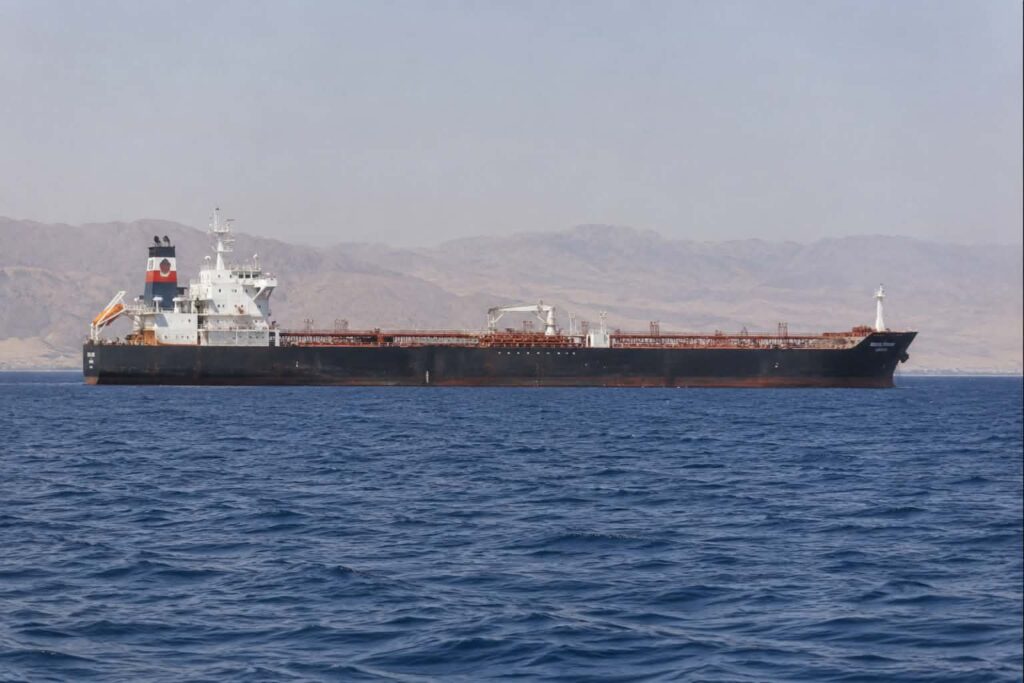
A cargo ship was reportedly struck by an unidentified projectile early Tuesday while transiting the Strait of Hormuz, adding fresh tension to one of the world’s most critical shipping lanes. The incident underscores the ongoing risks in a waterway that remains central to global energy supplies and American strategic interests.
The United Kingdom Maritime Trade Operations Center said the vessel reported being “hit by an unknown projectile” at about 2 a.m. local time while sailing roughly 23 miles northeast of Al Khasab, Oman. Officials did not identify the ship, its flag, or its cargo. British maritime security firm Ambrey confirmed the vessel sustained damage but provided no further details.
Critical Waterway Remains Under Threat
The Strait of Hormuz sits at the entrance to the Persian Gulf and has long served as a vital artery for global commerce. Before the current conflict intensified, roughly one-fifth of the world’s oil and natural gas shipments passed through the narrow passage. Commercial traffic has been severely disrupted since Iran began targeting ships after the war erupted in February. The United States has maintained a blockade of Iranian ports along the waterway in response.
This latest reported attack highlights the persistent danger to international shipping even as diplomatic efforts continue. For an administration focused on protecting American energy security and global trade routes, incidents like this reinforce the need for credible deterrence.
Diplomacy Continues Amid Competing Claims
The reported strike came as mediators worked to de-escalate the broader conflict. Qatari Foreign Ministry spokesman Majed al-Ansari said mediators remain engaged despite competing claims from Washington and Tehran over the status of negotiations.
“We’re looking into a diplomatic solution,” he said during a briefing, without offering additional details.
President Donald Trump has alternated between clear warnings of major military action against Iran and expressions of cautious optimism about talks. After previously preparing large-scale strikes and then standing down at the urging of Gulf allies, Trump said Monday that discussions between the two sides were resuming.
Iran’s Mixed Signals Draw Sharp Response
Iran rejected the characterization of direct negotiations with the United States. Officials in Tehran insisted they were only holding discussions with Oman about establishing a route through the Strait of Hormuz rather than conducting talks with Washington.
President Trump responded bluntly on Truth Social, calling Iranian leadership “unbelievably duplicitous.” The comment reflected long-standing frustration in Washington with Tehran’s pattern of sending mixed messages—signaling openness to deals in private while denying or undermining them in public.
Strength and Clarity Define the Trump Approach
Trump’s handling of the crisis has followed a consistent pattern. He has kept the option of significant military force fully available while remaining open to diplomacy when Gulf partners and other intermediaries suggest a path forward. The decision to pause planned strikes earlier came after direct appeals from Saudi Arabia, the UAE, Qatar, and signals from Iran itself. At the same time, the president has made clear that American readiness has not diminished.
“We’re ready to go anytime we want,” Trump has stated. That posture of strength underpins any negotiation. The latest incident in the Strait of Hormuz serves as a reminder that Iranian behavior continues to threaten commercial shipping even as talks are discussed.
American Interests at Stake
Keeping the Strait of Hormuz open and free from interference remains a core U.S. priority. Disruptions drive up energy prices, increase costs for American families and businesses, and create broader economic uncertainty. Blocking Iran’s path to a nuclear weapon is equally non-negotiable. These red lines have guided the administration’s approach from the beginning.
The reported attack on a cargo ship does not change those fundamentals. It does, however, illustrate why maximum pressure backed by credible military options remains necessary. Diplomatic channels can remain open, but they function best when the other side understands the consequences of continued aggression.
Looking Ahead
As mediators continue their work and competing claims about the status of talks persist, the situation in the Strait of Hormuz remains volatile. Commercial vessels continue to face risks, and the broader conflict shows no immediate sign of full resolution. President Trump’s combination of military readiness, close consultation with Gulf allies, and willingness to test diplomatic openings will continue to shape the American response.
For now, the latest reported strike serves as another data point in a dangerous environment. The United States under Trump is making clear that it will protect critical shipping lanes, reject Iranian duplicity, and keep every option on the table until Tehran demonstrates it is prepared for genuine de-escalation.

Benjamin Harris is a RapidReports front page contributor and editor,proud father of four.