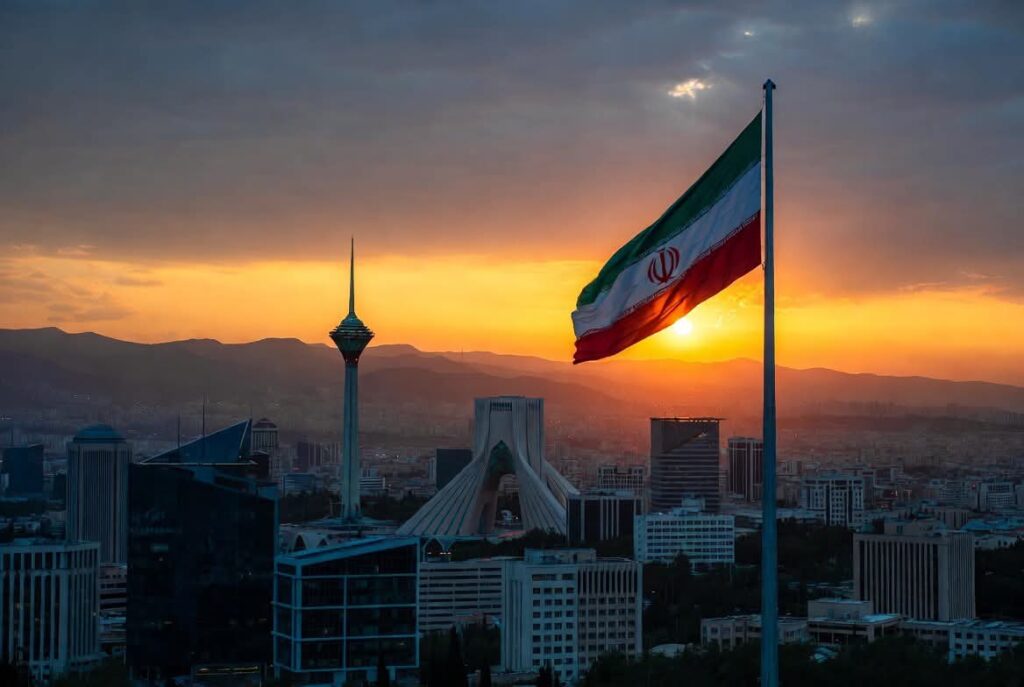
Iran has suspended negotiations with the United States after accusing Washington and Israel of actions that Tehran says violate the terms of the current ceasefire framework. The decision introduces new uncertainty into ongoing diplomatic efforts aimed at reducing tensions in the Middle East and securing a broader agreement on regional security and trade.
READ MORE: Iran Lashes Out, Issues Sinister Warning To Trump
According to Iranian state media, officials halted discussions after recent military developments in Lebanon and continued pressure from the United States. The move comes at a critical stage in negotiations that were expected to address several major issues, including maritime security, regional stability, and the future of Iran’s nuclear program.
The latest tensions follow Israeli military operations in Beirut’s Dahieh district, an area known for its ties to Hezbollah. Reports indicated that Israeli Prime Minister Benjamin Netanyahu authorized the strikes as part of ongoing security operations. Iranian officials cited these developments as a key factor behind their decision to pause talks with Washington.
At the same time, the Trump administration has reportedly continued pushing for stronger terms in any future agreement. U.S. officials have indicated that discussions have focused on nuclear-related commitments, regional security concerns, and measures affecting international shipping routes, including the strategically important Strait of Hormuz.
Iranian officials argued that recent military actions and economic pressure measures undermine trust between the negotiating parties. Tehran’s representatives stated that progress toward a comprehensive agreement would require what they described as greater adherence to existing commitments and a reduction in regional hostilities.
Despite the suspension, both sides have continued to signal interest in a long-term diplomatic solution. However, with military activity continuing in parts of the region and key issues remaining unresolved, the timeline for resuming negotiations remains uncertain. Analysts say future talks will likely depend on whether tensions can be reduced and confidence restored between the parties involved.

Benjamin Harris is a RapidReports front page contributor and editor,proud father of four.