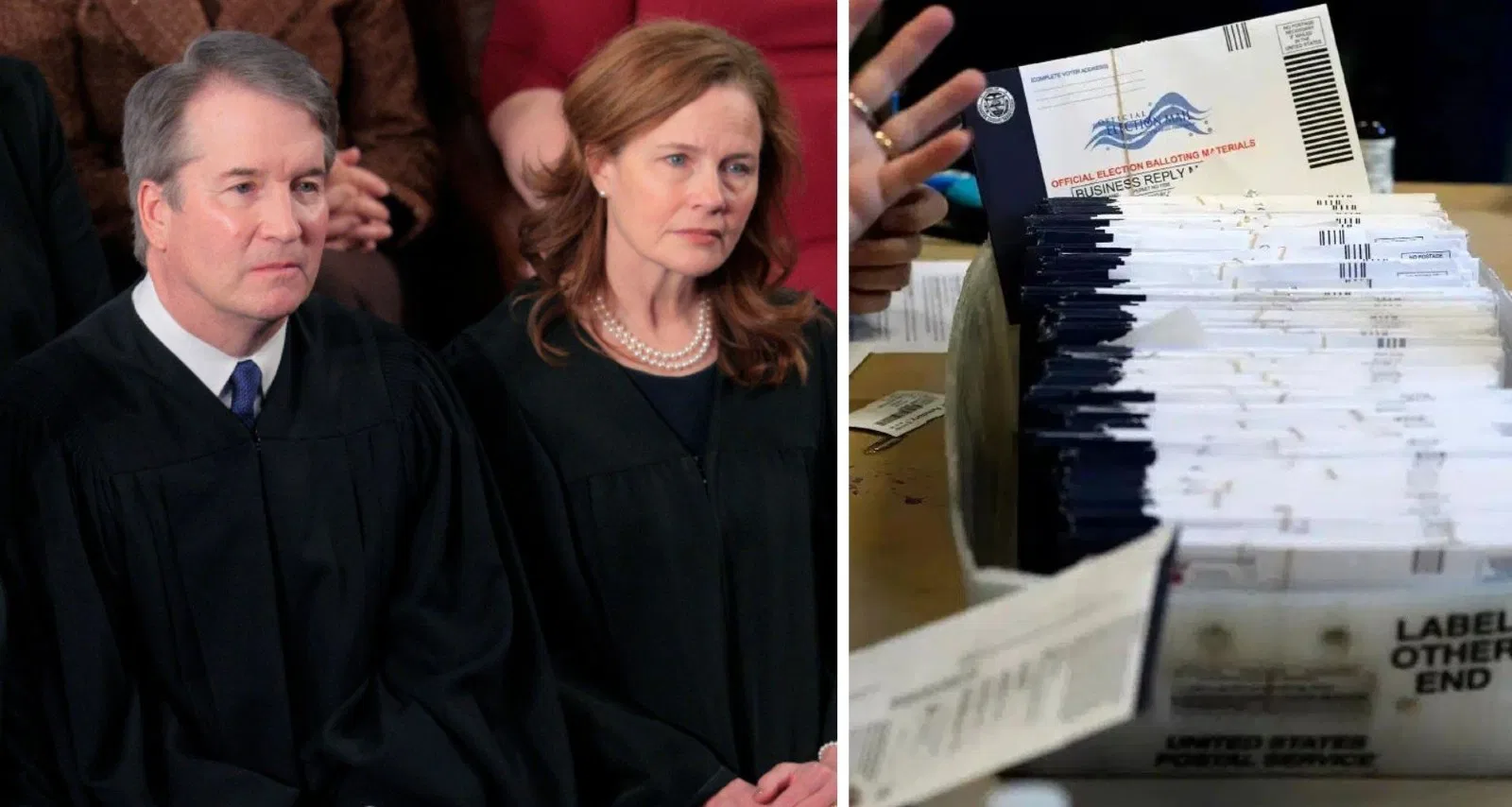
The U.S. Supreme Court recently issued an emergency order allowing New York’s current congressional map to remain in place, temporarily blocking a lower court ruling that found the map may have diluted the voting power of Black and Latino communities. As is common with emergency docket decisions, the Court did not provide a written explanation or disclose how individual justices voted. The ruling ensures the existing map will likely be used in the upcoming midterm elections while legal challenges continue.
The decision has drawn attention because of its potential political impact, particularly in a closely divided House of Representatives. By keeping the current district lines in place for now, the ruling may influence the balance of power, especially in competitive districts. The case highlights the ongoing legal and political debates surrounding how congressional boundaries are drawn and challenged.
At the same time, the Supreme Court is considering another major redistricting case, Louisiana v. Callais, which could have broader implications nationwide. The case focuses on whether Louisiana’s congressional map, which includes a second majority-Black district, complies with federal law. Central to the dispute is Section 2 of the Voting Rights Act of 1965, which allows challenges to voting practices that may disadvantage minority groups.
The outcome of the Louisiana case could shape future redistricting efforts across several states. Legal questions include how race can be considered when drawing district lines and how those decisions align with the Equal Protection Clause of the 14th Amendment. Experts say the ruling may affect how courts evaluate similar cases moving forward, particularly in states where new district maps could be proposed ahead of future elections.