Recent immigration discussions in the United States have focused on how political activity may affect visa and green card eligibility.
Officials have indicated that certain forms of public support for designated extremist organizations could influence immigration decisions.
The administration led by Donald Trump has emphasized a stricter approach to evaluating applicants.
According to policy statements, individuals who openly support groups such as Hamas may face additional scrutiny.
U.S. authorities classify Hamas as a terrorist organization, which plays a role in immigration enforcement decisions.
Marco Rubio has spoken publicly about visa enforcement and national security concerns.
Reports indicate that some student visas have been revoked in cases involving alleged disruptive or unlawful activity.
Officials say immigration policies are intended to prioritize safety and stability within the country.
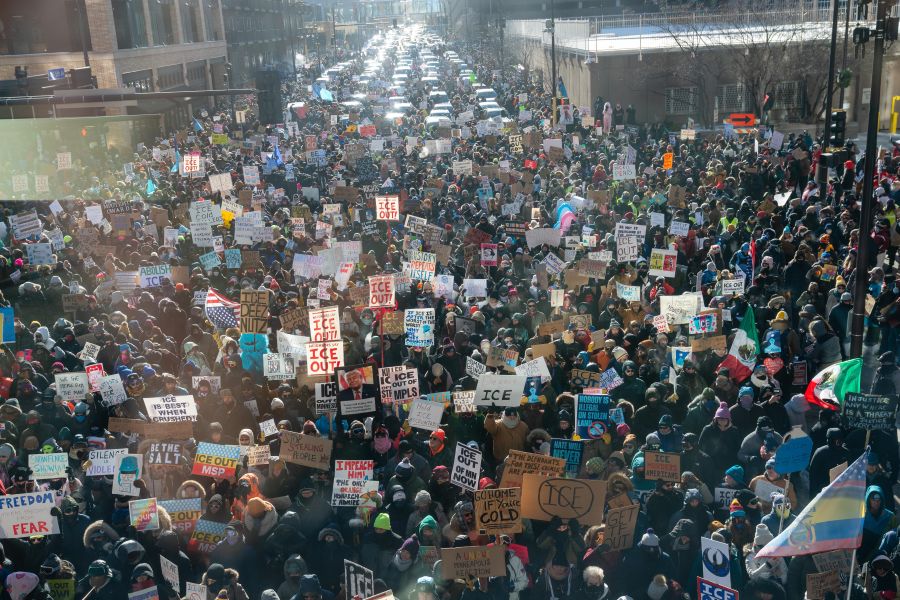
There is also discussion around how protest actions, including flag-related demonstrations, are interpreted in immigration reviews.
Supporters of stricter enforcement argue that immigration benefits should align with respect for U.S. laws and institutions.
Others raise concerns about how policies may intersect with free expression and lawful protest.
Government agencies maintain that decisions are made based on legal standards and security assessments.
Immigration status, including visas and green cards, can be subject to review if conditions of entry are violated.
Public debate continues over how best to balance national security with civil liberties.
As policies evolve, immigration enforcement remains a central topic in U.S. political discourse.
Benjamin Harris is a RapidReports front page contributor and editor,proud father of four.