Obama Questions Trump’s Iran Peace Deal as Global Leaders Praise Diplomatic Breakthrough
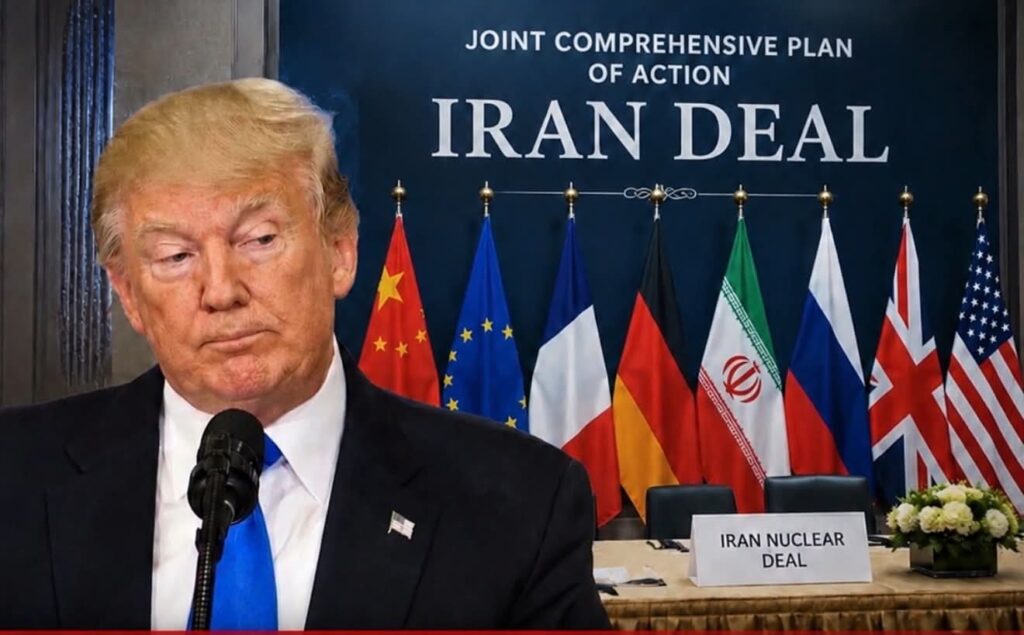
Former President Barack Obama is already casting doubt on President Donald Trump’s newly announced peace agreement with Iran, even as global leaders, financial markets, and energy investors react positively to the historic diplomatic development.
During an appearance on ABC’s Good Morning America, Obama suggested that the agreement may not differ significantly from the nuclear deal negotiated during his administration. His comments came just hours after President Trump announced that the United States and Iran had finalized a memorandum of understanding aimed at ending hostilities, reopening critical trade routes, and launching broader negotiations on regional security.
When asked about the current situation involving Iran, Obama argued that diplomacy should remain the primary focus of U.S. foreign policy and suggested that previous negotiations had already achieved meaningful results. While expressing hope for peace, he questioned whether the new framework would represent a substantial improvement over prior agreements.
[poll id=”4″]
Supporters of President Trump quickly pushed back, noting that the current agreement reportedly includes stronger enforcement mechanisms, enhanced oversight provisions, and commitments designed to prevent Iran from obtaining nuclear weapons while also restoring stability to global energy markets.
The agreement has already generated significant economic optimism. Global oil prices moved lower following the announcement as investors welcomed plans to reopen the Strait of Hormuz, one of the world’s most important shipping corridors for energy supplies. Analysts believe reduced geopolitical risk could ease pressure on fuel prices and strengthen global economic growth.
Iran’s Supreme National Security Council also confirmed that a memorandum of understanding has been finalized. According to multiple reports, the framework includes an immediate cessation of military operations, steps toward restoring commercial shipping, and the launch of negotiations focused on Iran’s nuclear program and broader regional security issues.
President Trump celebrated the development on Truth Social, describing the agreement as a major step toward peace and economic stability. The president emphasized that the reopening of the Strait of Hormuz would allow energy markets to function more normally while reducing uncertainty for businesses and consumers around the world.
“This Great Deal will bring Peace and Security to the whole Region,” Trump wrote. He also highlighted the potential economic benefits of restoring shipping access and reducing tensions that have disrupted global trade and energy supplies for months.
International leaders have responded favorably to the breakthrough. German Chancellor Friedrich Merz praised both sides for reaching an agreement and described the deal as an opportunity to strengthen economic confidence and improve regional security. Other world leaders have similarly expressed hope that the framework can lead to a lasting reduction in tensions.
For many Trump supporters, the agreement represents another example of what they describe as a peace-through-strength approach to foreign policy. While critics continue debating the details, supporters point to falling oil prices, renewed diplomatic engagement, and growing international support as evidence that the administration’s strategy is producing results. As negotiations move toward the formal signing stage, attention will now turn to implementation, compliance, and the potential long-term impact on global security and economic growth.
Benjamin Harris is a RapidReports front page contributor and editor,proud father of four.