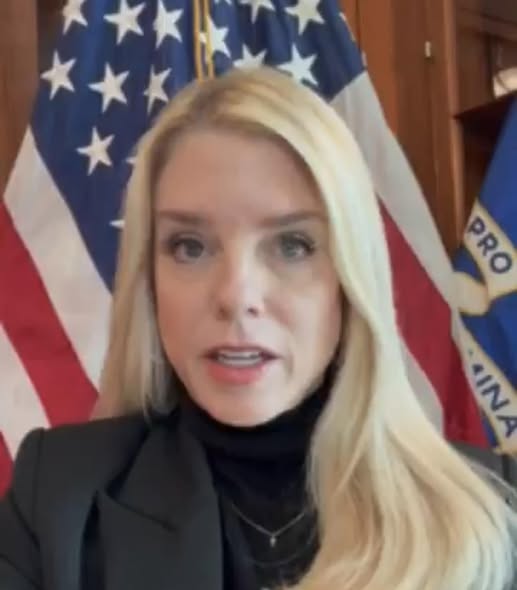
War Powers Resolution deadlines related to U.S. military involvement with Iran are approaching, placing renewed attention on the legal framework governing presidential authority in armed conflicts.
The measure, passed in the aftermath of the Vietnam War, sets a 60-day limit on certain military engagements unless Congress provides authorization for continued action.
Over the years, presidents from both major political parties have raised concerns about the constitutionality of the law. Critics argue that it may restrict the president’s authority as commander-in-chief.
Supporters of the law, however, say it is an important safeguard designed to ensure congressional oversight of military operations. The debate remains unresolved and continues to be discussed in legal and political circles.
Donald Trump is currently facing this timeline as U.S. involvement in regional tensions continues. It remains unclear how the administration will proceed as the deadline nears.
Military activity in the region has drawn attention, with reports indicating an increased presence of U.S. naval and air assets. These deployments are often used to project strength and maintain readiness.
Defense officials have confirmed that aircraft carriers and other military resources are positioned strategically. Such deployments are common during periods of heightened tension.
There have also been discussions about advanced military technologies, including hypersonic systems. These weapons are known for their speed and long-range capabilities, though details about their operational use remain limited.
At the same time, diplomatic efforts continue. U.S. officials have indicated that negotiations remain a possibility, even as military preparations are maintained.
Analysts note that situations like this often involve both strategic positioning and ongoing communication between parties. The outcome can depend on a range of political and security factors.
The situation with Iran has evolved over time, involving complex regional dynamics and international considerations. Multiple countries have a stake in how events unfold.
Energy markets and global trade routes are also closely watched during periods of tension in the region. Stability in these areas is considered important for the broader global economy.
Experts emphasize that decisions involving military action are influenced by legal, strategic, and diplomatic considerations. These factors are often weighed carefully by policymakers.
Public discussion around the issue reflects a wide range of opinions. Some focus on national security priorities, while others emphasize the importance of diplomatic solutions.
As the deadline approaches, attention remains on how U.S. leadership will balance legal requirements, military readiness, and the possibility of negotiations moving forward.
READ ALSO: Personal loans have become one of the most popular financial tools for managing expenses, consolidating debt, and funding major purchases. In 2026, lenders are offering more flexible options than ever before, making it easier to find a loan that fits your needs.
What Is a Personal Loan?
A personal loan is a type of unsecured loan that allows you to borrow money without collateral. You can use it for various purposes, including debt consolidation, home improvement, or emergency expenses.
Top Benefits of Personal Loans
Fixed interest rates and predictable monthly payments
No need for collateral
Fast approval process
Flexible repayment terms
How to Choose the Best Personal Loan
When comparing loan offers, consider the following factors:
Interest rate (APR)
Loan term
Fees and penalties
Lender reputation
Tips to Get the Lowest Interest Rate
Improve your credit score before applying
Compare multiple lenders
Choose a shorter loan term
Avoid unnecessary fees
Final Thoughts
Finding the best personal loan requires research and comparison. By understanding your financial situation and exploring different lenders, you can secure a loan with competitive rates and favorable terms.
Benjamin Harris is a RapidReports front page contributor and editor,proud father of four.