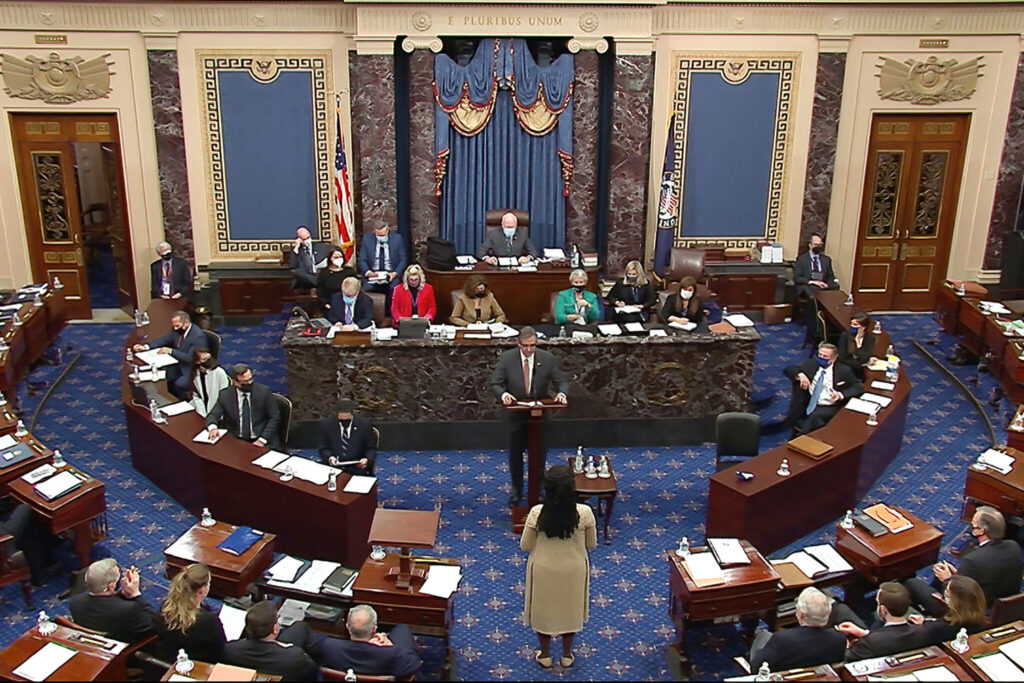

House Republicans Advance Major Veterans Benefits Bill Offering Higher Monthly Payments to 58,000 Disabled Military Retirees
A bipartisan debate over veterans’ compensation is gaining national attention after the US House of Representatives advanced legislation designed to increase financial support for thousands of combat-injured military retirees. The proposal could allow approximately 58,000 eligible veterans to receive their full military retirement payments alongside disability compensation from the Department of Veterans Affairs, potentially increasing their monthly income by an average of $1,450.
The United States House of Representatives has taken an important legislative step toward addressing a longstanding financial challenge affecting military veterans who were forced to retire because of combat-related injuries before completing 20 years of service.
The legislation, supported by House Republicans, seeks to change existing military retirement and disability compensation rules that can prevent certain medically retired veterans from receiving the full value of both benefits.
The proposal passed the House through a voice vote on Monday following a contentious debate over its financial structure and the potential consequences for future disability claimants.
Although the legislation has attracted support from lawmakers seeking to improve financial security for wounded veterans, disagreements remain over how the proposed benefit expansion should be funded.
At the center of the debate is a question that has affected thousands of former service members: Should veterans who leave military service because of combat-related injuries receive their full retirement benefits without having those payments reduced by their Department of Veterans Affairs disability compensation?
Republican lawmakers argue that correcting this disparity is a matter of fairness and recognition for military personnel who sacrificed their health while serving their country.
However, disagreements over proposed changes to disability compensation for conditions such as tinnitus and sleep apnea have introduced another layer of controversy.
The legislation now faces additional scrutiny as lawmakers consider its future in the Senate and debate whether its proposed financing arrangements adequately protect veterans.
House Advances Major Veterans Compensation Reform
The House vote represents a significant development in the continuing effort to reform military retirement and disability compensation policies.
Under existing federal rules, certain military retirees who receive disability compensation from the Department of Veterans Affairs must accept a reduction in their military retirement payments.
This arrangement can create financial difficulties for veterans who were medically separated or retired before reaching the traditional 20-year military service threshold.
For many of these individuals, military service ended because of injuries or medical conditions that prevented them from continuing their careers.
Despite qualifying for disability compensation, they may not receive the full combination of retirement and disability payments available to some other military retirees.
Republicans supporting the legislation say this creates an unfair distinction between veterans who completed longer military careers and those whose service ended prematurely because of combat-related injuries.
The proposed reform seeks to address that difference by allowing eligible combat-injured retirees to collect both payments without the existing reduction.
The legislation is particularly significant for former service members who depend on predictable monthly income to manage household expenses, medical treatment, housing costs, and other financial responsibilities.
Supporters believe that changing the compensation rules would provide meaningful assistance to veterans who have already experienced substantial physical and financial challenges.
Approximately 58,000 Veterans Could Benefit From the Proposed Changes
One of the most important details surrounding the legislation is the estimated number of military retirees who could qualify for increased compensation.
According to congressional estimates cited by the Associated Press, approximately 58,000 veterans could benefit from the proposed changes.
The Congressional Budget Office estimates that affected veterans could receive approximately $1,450 more per month on average.
That amount represents a potentially substantial improvement in financial security for households managing the long-term consequences of military-related injuries.
For veterans living with chronic pain, mobility limitations, hearing difficulties, sleep disorders, or other service-connected medical conditions, additional monthly income could help cover essential expenses.
It could also provide greater flexibility for families dealing with the financial consequences of medical retirement.
The proposed increase may be particularly important for veterans whose military careers ended before they could qualify for conventional retirement benefits based on 20 years of service.
Many medically retired service members have spent years adjusting to civilian employment while simultaneously managing physical limitations associated with their military service.
For these households, predictable retirement and disability income can play an important role in maintaining financial stability.
However, the estimated average increase should not be interpreted as a guaranteed payment for every eligible veteran. Individual compensation would depend on the final legislation, eligibility requirements, and applicable benefit calculations.
Why Some Disabled Veterans Receive Reduced Military Retirement Payments
The issue addressed by the legislation is connected to the relationship between military retirement benefits and disability compensation.
Military retirement payments generally recognize a person’s qualifying years of service and applicable retirement rules.
Department of Veterans Affairs disability compensation serves a different purpose. It provides financial benefits to eligible veterans whose disabilities are connected to their military service.
Although these programs have different objectives, existing rules can result in reductions when certain veterans receive both types of payments.
This is commonly associated with the military retired pay offset.
For veterans who qualify for certain exceptions, including applicable concurrent receipt programs, the rules may allow greater access to both forms of compensation.
However, medically retired veterans with fewer than 20 years of service can face different eligibility requirements.
This distinction has become a central concern for lawmakers advocating changes to the system.
Supporters of reform argue that a veteran should not face a substantial reduction in retirement compensation simply because a service-related injury prevented the completion of a longer military career.
They believe military retirement and disability compensation recognize separate aspects of a veteran’s service and sacrifice.
The proposed legislation attempts to bring those principles closer together by expanding access to both payments for eligible combat-injured retirees.
Why Republicans Say the Legislation Is Important for Wounded Veterans
Republican lawmakers supporting the proposal have argued that the federal government should provide a fairer compensation structure for military personnel who sustain serious injuries while serving the country.
Their position focuses on the circumstances under which medically retired veterans leave active service.
Unlike service members who voluntarily complete a full military career, some wounded veterans are forced to end their service because of medical conditions that make continued military duties impossible.
These individuals may have expected to remain in uniform for many additional years before an injury changed their plans.
The resulting financial consequences can extend well beyond the date of retirement.
Medical treatment, rehabilitation, reduced employment opportunities, and family responsibilities can create continuing financial pressure.
Supporters therefore argue that allowing eligible veterans to receive their full retirement and disability payments would recognize the distinct purposes of both compensation programs.
They also describe the proposal as a practical legislative response to a problem that has been discussed by veterans’ organizations and military retirees for years.
Nevertheless, the legislation has generated disagreements over whether the proposed funding arrangements are appropriate.
Controversial Funding Proposal Raises Questions About Future Disability Benefits
Although the central objective of the legislation has attracted support, its financing provisions have become one of the most contentious aspects of the debate.
To offset part of the projected cost of expanding compensation for medically retired veterans, Republicans proposed changes involving future disability ratings for tinnitus and sleep apnea.
These provisions have raised concerns among veterans’ advocates and lawmakers who believe the proposed adjustments could reduce benefits for certain future claimants.
Tinnitus, commonly associated with ringing, buzzing, or other sounds perceived in the ears without an external source, is a condition for which eligible veterans may receive disability compensation.
Sleep apnea is another medical condition that can affect sleep quality and overall health. Eligible veterans may receive disability benefits when their condition meets the applicable service-connection and rating requirements.
Changes to how these conditions are evaluated could influence the amount of compensation awarded to some future applicants.
That possibility has become a major point of disagreement.
Critics argue that Congress should not finance increased compensation for one group of disabled veterans by potentially reducing benefits available to another group.
Supporters of the funding approach, meanwhile, emphasize the importance of identifying offsets when approving new federal spending commitments.
The disagreement reflects a broader challenge facing Congress: how to expand veterans’ benefits while balancing federal budget considerations and protecting existing compensation programs.
Existing Disability Beneficiaries Would Receive Protection Under the Proposal
An important distinction in the funding debate concerns veterans who already receive disability compensation for tinnitus and sleep apnea.
According to the legislation’s described provisions, veterans already receiving compensation for these conditions would not lose their existing payments because of the proposed revisions.
This protection is significant because it distinguishes current beneficiaries from future claimants who could be affected by changes to disability-rating rules.
For veterans who have already received disability determinations, the proposed protections are intended to prevent the financing changes from automatically reducing their existing compensation.
However, future applicants could face different evaluation standards and potentially different benefit calculations if the relevant provisions become law.
This distinction has not eliminated criticism.
Veterans’ advocates remain concerned that changes affecting future disability claims could create unequal treatment between veterans with similar medical conditions.
They also argue that any reform involving disability compensation should carefully consider the medical and financial circumstances of affected service members.
Consequently, the final legislative language and its implementation would be important in determining how the proposed changes affect different categories of veterans.
House Leadership Defends the Legislative Process
The House debate also involved disagreements over how the legislation was brought forward and whether lawmakers had sufficient opportunities to challenge its provisions.
Republican House leadership defended advancing the measure, arguing that representatives who disagreed with the proposal could publicly explain their objections.
House Majority Whip Steve Scalise emphasized the importance of allowing lawmakers to take positions on legislation affecting military veterans.
However, Democratic Representative Mark Takano criticized the procedure and suggested that members did not receive a meaningful opportunity to demand a recorded vote.
Takano also expressed skepticism about the legislation’s chances of advancing through the Senate, particularly because of disagreements surrounding its financing provisions.
These procedural disagreements highlight the political challenges associated with passing major veterans’ compensation reforms.
Even when lawmakers agree that military veterans deserve meaningful financial support, they may disagree about legislative procedures, funding arrangements, and the best way to structure eligibility requirements.
The House vote therefore represents progress on the underlying policy issue without resolving every political and financial question surrounding the legislation.
Veterans’ Organizations Raise Questions About Congressional Accountability
The debate has also attracted attention from organizations representing military veterans and retired service members.
Cory Geisler, identified in the supplied reporting as the national commander of a veterans’ organization, argued that lawmakers should publicly account for decisions affecting veterans’ benefits.
His criticism reflects concerns that legislative changes involving disability compensation should receive careful scrutiny rather than being evaluated solely on their headline benefit increases.
Veterans’ organizations often play an important role in communicating the concerns of former service members to Congress.
Their priorities can include improving disability compensation, protecting existing benefits, expanding access to medical care, and addressing financial challenges associated with military retirement.
In this debate, the central concern is whether the proposed compensation reform can deliver meaningful assistance to combat-injured retirees without creating additional disadvantages for future disability claimants.
The discussion also raises questions about transparency.
Veterans and their families have a direct interest in understanding how changes to federal compensation programs could affect their financial circumstances.
Clear explanations of eligibility requirements, funding provisions, and implementation timelines are therefore essential.
Democrats Promote an Alternative Veterans Benefits Proposal
Republicans are not the only lawmakers seeking changes to veterans’ compensation.
Democratic representatives are advancing a competing proposal that would expand benefits without relying on comparable spending offsets.
Supporters of that alternative argue that Congress should prioritize assistance for wounded veterans without introducing changes that could reduce compensation for future disability claimants.
The competing legislation was brought closer to a House vote through a discharge petition, a congressional procedure that can allow legislation to reach the floor when sufficient representatives support moving it forward.
A vote on the Democratic alternative was expected Thursday, according to the supplied reporting.
The existence of two competing proposals demonstrates that the debate is not simply about whether veterans deserve additional financial support.
Instead, lawmakers are confronting different approaches to achieving that objective.
Republicans have emphasized the importance of financing benefit expansions through identified spending offsets.
Democrats have argued that the proposed offsets could undermine the broader purpose of improving veterans’ financial protection.
Both approaches raise important questions about federal spending, disability compensation, and the long-term sustainability of veterans’ benefit programs.
The final outcome could depend on whether lawmakers can negotiate an arrangement that addresses the concerns raised by both parties.
Why the Senate Could Become the Next Major Obstacle
Although the House has advanced the Republican-backed legislation, the measure must still navigate the next stages of the federal legislative process.
The United States Congress consists of two chambers, the House of Representatives and the Senate.
Legislation generally must pass both chambers in identical form before it can be presented to the president for approval.
This means that House passage alone does not establish a new federal entitlement or immediately change veterans’ compensation payments.
The Senate could consider the House proposal, introduce amendments, negotiate changes, or decide not to advance the legislation.
Funding provisions are likely to remain an important subject of discussion.
Senators may examine the projected federal costs, the proposed disability-rating adjustments, and the potential consequences for future applicants.
They could also consider whether an alternative financing arrangement would achieve the same policy objective while addressing concerns raised by veterans’ advocates.
If the House and Senate approve different versions of the legislation, additional negotiations would generally be required before a final measure could reach the president.
For veterans waiting for changes to the compensation system, this process means that the House vote is an important development but not the final step.
What the Proposed Legislation Could Mean for Military Retirees and Their Families
The potential financial consequences of the legislation extend beyond the individual veteran receiving compensation.
For many military families, disability and retirement payments form an important part of the household budget.
A substantial increase in monthly income could help families manage housing payments, transportation, medical expenses, rehabilitation costs, and other essential responsibilities.
It could also provide additional financial flexibility for veterans who have difficulty maintaining full-time employment because of service-related injuries.
Some medically retired veterans face challenges returning to civilian employment because of physical limitations or ongoing medical treatment.
Others may need to adjust their career plans, working hours, or household responsibilities after leaving military service.
In these circumstances, predictable benefit payments can provide an important measure of financial stability.
The proposed increase of approximately $1,450 per month on average could therefore represent meaningful assistance for eligible households.
However, the final financial impact would depend on the eligibility rules and the actual payment calculations established by the legislation.
Veterans should also understand that the House vote does not automatically authorize an increase in their current monthly payments.
Until the legislation completes the required congressional process and becomes law, existing compensation rules remain in effect.
What Veterans Should Know About the Current Status of the Bill
For military retirees and veterans following the proposal, understanding the legislative timeline is particularly important.
The House’s approval through a voice vote represents an advancement of the proposal, not its final enactment.
The Senate must still determine whether it will consider the measure and whether changes are necessary.
If the Senate approves a different version, further legislative action may be required.
Only after the same final legislation has passed both chambers and received presidential approval can the relevant statutory changes take effect, subject to any implementation provisions.
Veterans should therefore avoid assuming that their current retirement or disability payments will immediately change because of the House vote.
Individuals seeking information about their personal eligibility should continue relying on official Department of Veterans Affairs and Department of Defense guidance.
These agencies provide information about disability compensation, military retirement, concurrent receipt programs, and applicable eligibility requirements.
Following official announcements is particularly important because the final legislation could differ from the version initially approved by the House.
Conclusion: Veterans Compensation Reform Moves Forward as Congress Debates Funding and Fairness
The House of Representatives’ decision to advance legislation expanding compensation for combat-injured military retirees marks an important moment in the ongoing debate over veterans’ financial security.
The proposal seeks to address a longstanding issue affecting medically retired service members who left the military before completing 20 years of service and may face reductions in their retirement payments when receiving VA disability compensation.
With approximately 58,000 veterans potentially eligible and an estimated average monthly increase of $1,450, the legislation could have significant financial implications for affected military families.
However, the proposed funding arrangements have created disagreements over changes to future disability ratings for tinnitus and sleep apnea.
Republicans argue that spending offsets are necessary to support the expansion responsibly, while critics believe those adjustments could disadvantage future veterans seeking disability compensation.
Democrats have also advanced an alternative approach that would expand benefits without comparable offsets, setting up further disagreements over the best way to finance veterans’ assistance.
The Senate will play a crucial role in determining whether the proposal advances, receives amendments, or is replaced by a different legislative approach.
For now, the House vote represents progress toward addressing a recognized compensation disparity, but it does not mean that new payments have already been authorized.
The broader challenge for Congress is to establish a system that recognizes the sacrifices of combat-injured veterans while maintaining fair and sustainable disability compensation policies for future generations of military service members.
Ultimately, the debate is about more than a monthly payment increase. It concerns how the United States recognizes military service, supports wounded veterans, and fulfills its long-term financial commitments to those who served.

Benjamin Harris is a RapidReports front page contributor and editor,proud father of four.