House Passes Bill Aimed at Preventing Fraudulent Federal Payments
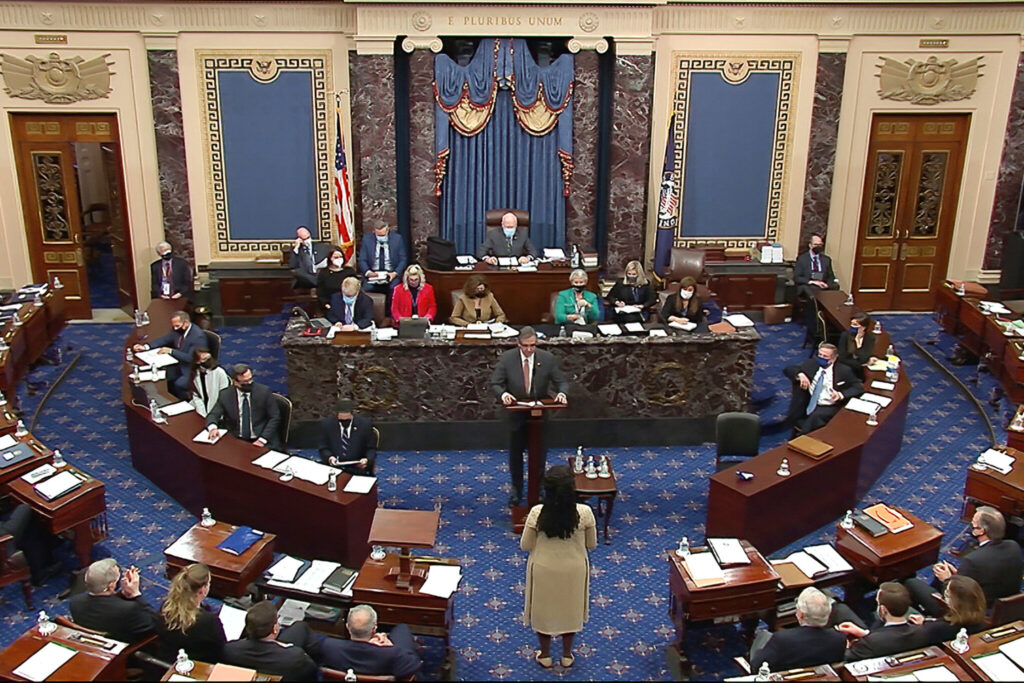
The U.S. House of Representatives has passed the Stopping Fraudulent Payments Act in a 218-200 vote, advancing legislation designed to strengthen safeguards against improper federal payments and reduce taxpayer losses caused by fraud and administrative errors.
[poll id=”4″]
The bill was introduced by House Oversight Committee Chairman James Comer (R-Ky.) and focuses on changing the federal government’s current payment process. Supporters argue that existing procedures often allow payments to be issued before eligibility can be fully verified, making it difficult to recover funds once they have been improperly distributed.
If enacted, the legislation would authorize federal agencies to temporarily pause or review payments identified as having a heightened risk of fraud or improper disbursement. It would also expand the Treasury Department’s authority to return flagged payment requests to agencies for additional verification using tools such as the Do Not Pay database.
According to supporters, these measures are intended to ensure that taxpayer-funded benefits and payments reach eligible recipients while reducing losses from fraudulent claims and administrative mistakes.
Speaking on the House floor, Chairman James Comer described the proposal as a practical effort to strengthen oversight of federal spending.
“Congress must take further action to stop fraud before it happens,” Comer said, adding that the bill introduces safeguards designed to verify recipients and payment amounts before federal funds are distributed.
Supporters point to estimates from the Government Accountability Office (GAO), which has reported that improper federal payments continue to represent a significant financial challenge. According to the GAO, improper payments totaled an estimated $186 billion during fiscal year 2025, with cumulative improper payments reaching trillions of dollars over the past two decades.
House Republicans argue that reducing improper payments would help improve government efficiency, protect taxpayer dollars, and strengthen public confidence in federal programs.
The legislation also follows several congressional oversight investigations examining fraud risks within government-funded programs. Lawmakers supporting the bill say those investigations demonstrated the need for stronger preventive controls rather than relying primarily on recovering funds after payments have already been made.
House Budget Committee Chairman Jodey Arrington (R-Texas), one of the bill’s original cosponsors, said federal spending should include stronger accountability measures to reduce waste and protect taxpayer resources.
Other Republican lawmakers also expressed support for the proposal, stating that additional oversight and verification procedures could help reduce fraud across multiple federal programs.
Most House Democrats voted against the legislation. While opponents raised concerns during debate, supporters argued the bill represents an important step toward improving payment accuracy and strengthening oversight of federal spending.
The Stopping Fraudulent Payments Act is one of several oversight-related measures approved by the House that focus on preventing fraud, improving payment verification, and increasing accountability across federal programs.
The bill now moves to the Senate, where lawmakers will consider whether to advance the legislation for further action.

Benjamin Harris is a RapidReports front page contributor and editor,proud father of four.