Iran Warns It Is Ready for ‘Doomsday War’ as U.S. Talks Continue After Hormuz Proposal Rejected
Iranian Foreign Minister Abbas Araghchi has warned that Tehran is prepared for renewed large-scale fighting with the United States, including what he called a “doomsday war,” while simultaneously insisting that Iran remains willing to pursue a diplomatic settlement.
The warning came after President Donald Trump publicly rejected an Iranian proposal linked to reopening the Strait of Hormuz and restarting negotiations over Iran’s nuclear program.
Despite the rejection, the diplomatic channel has not completely closed. U.S. and Iranian officials are continuing to communicate indirectly through regional mediators, with additional discussions expected as both sides weigh the possibility of further negotiations.
The situation leaves the conflict at a particularly uncertain stage: military escalation remains possible, but both Washington and Tehran have continued to signal an interest in exploring a negotiated outcome.
Iran Says It Is Prepared for Renewed Fighting
Appearing on NBC’s Meet the Press on September 27, Araghchi was asked about reports that the United States could resume intensive military action against Iran after the November midterm elections.
His response was unequivocal.
Araghchi said Iran was “fully prepared” for a resumption of the war and would stand against what he described as new aggression, even if the conflict developed into a “doomsday war.”
At the same time, he said Tehran remained ready for diplomacy.
“It is up to President Trump to choose,” Araghchi said, according to NBC’s account of the interview.
The combination of military warnings and diplomatic overtures has become a recurring feature of the confrontation between Washington and Tehran.
Iranian officials have repeatedly warned that a new round of attacks could produce a broader regional conflict, while also presenting negotiations as an alternative.
Trump Rejected Iran’s Latest Proposal
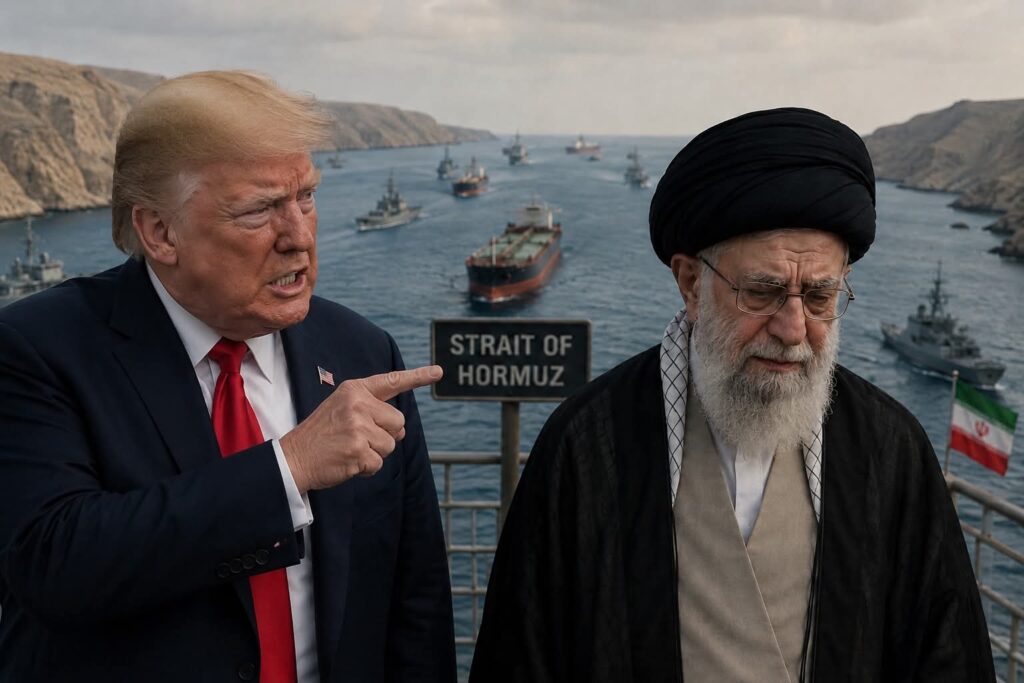
The latest diplomatic dispute centers on the Strait of Hormuz, the strategically important waterway through which a substantial portion of global oil supplies normally passes.
Iran had proposed reopening the waterway within approximately seven days as part of a broader arrangement.
According to reporting on the negotiations, Tehran’s proposal involved the United States lifting its naval blockade, providing relief related to sanctions and frozen Iranian assets, and establishing conditions for renewed negotiations.
In exchange, Iran would reopen the strait and resume discussions involving its nuclear program.
Trump said Saturday that he rejected the proposal.
He argued that Iran wanted the strait reopened immediately and characterized Tehran’s position as unacceptable.
However, the president also said he expected additional talks with Iran during the week, leaving open the possibility that another version of the proposal could emerge.
Indirect Negotiations Have Continued
Trump’s rejection did not end diplomatic contacts.
Qatar has been serving as an intermediary between Washington and Tehran, passing messages between the two governments.
Axios reported that Qatari mediators were continuing shuttle diplomacy and were working on potential changes to the Iranian proposal. The discussions could involve another round of indirect negotiations between the two sides.
The Washington Post likewise reported that American and Iranian officials continued to see the possibility of a negotiated solution despite Trump’s rejection of the initial proposal.
More recent reporting indicates that Araghchi met with Qatari mediators in New York on September 29. The mediators were expected to carry the latest ideas back to Washington, while U.S. officials continued to emphasize that nuclear issues would have to be addressed in any eventual agreement.
That leaves the diplomatic process alive, although the two sides remain far apart on several fundamental issues.
The Strait of Hormuz Remains at the Center of the Crisis
The Strait of Hormuz has become one of the central pressure points in the conflict.
The narrow waterway connects the Persian Gulf with the Gulf of Oman and is a major route for international energy shipments.
Disruptions to shipping through the strait have already affected global oil markets.
Reuters reported that oil prices rose after Trump’s rejection of the Iranian proposal, although prices later moderated as traders focused on the possibility of renewed negotiations. Brent crude settled at $105.28 per barrel, while U.S. West Texas Intermediate settled at $92.60.
Saudi Arabia and the United Arab Emirates have also increased crude exports, helping offset some of the disruption, although flows remain below levels seen before the conflict.
The longer the uncertainty continues, the greater the potential consequences for energy markets, shipping costs and fuel prices.
Iran Wants Sanctions and Asset Relief
Araghchi said Iran’s demands include access to frozen assets and the ability to resume oil sales.
He argued that those conditions were connected to previous understandings between the two countries and maintained that Tehran was prepared to reopen the waterway as part of a broader settlement.
The Trump administration has taken a different position.
U.S. Ambassador to the United Nations Mike Waltz said the Iranian proposal was unacceptable in part because it sought significant relief before Washington had received sufficient assurances about Iran’s nuclear program and other issues.
The disagreement illustrates one of the central obstacles to a deal: Iran has focused heavily on sanctions, oil sales and the Strait of Hormuz, while the United States has demanded broader commitments from Tehran.
Iran Says Diplomacy Is Still Possible
Despite his warning about a potential “doomsday war,” Araghchi has continued to describe diplomacy as an option.
He said Iran had little reason to return to negotiations after previous confrontations but argued that opportunities for peace should not be discarded.
That position is significant because it suggests Tehran is attempting to maintain a diplomatic channel even while preparing for the possibility of renewed military action.
Iranian officials have also emphasized that their calculations are based on what they describe as national interests rather than the U.S. political calendar.
The Trump administration has likewise continued to discuss negotiations even after rejecting Tehran’s initial proposal.
Trump Says More Talks Could Come
Trump told Axios on September 27 that he expected additional talks with Iran during the week.
At the same time, he said he was still considering the possibility of renewed military action.
That combination of statements has left the immediate direction of U.S. policy unclear.
The administration has not announced a new military campaign, while negotiations through Qatar and other intermediaries remain active.
The White House and Iranian government therefore appear to be pursuing two tracks simultaneously: maintaining military readiness while leaving room for diplomacy.
Why the Next Few Days Matter
Several unresolved issues could determine whether negotiations gain momentum or break down again.
The most immediate questions include:
- Whether Iran will modify its proposal for reopening the Strait of Hormuz.
- Whether Washington will accept any phased arrangement involving the waterway.
- What nuclear commitments the United States would require from Tehran.
- Whether sanctions or frozen Iranian assets could become part of an agreement.
- Whether military activity resumes while negotiations are underway.
- Whether regional mediators can bridge the differences between the two governments.
Recent reporting indicates that mediators are still working on possible revisions rather than treating the diplomatic process as finished.
Military Threats and Diplomacy Now Coexist
The latest statements from Tehran highlight the uncertainty surrounding the conflict.
Iran says it is prepared for a renewed war and has warned of a potentially broader confrontation. At the same time, its foreign minister continues to advocate negotiations.
Trump has rejected Iran’s latest proposal but says additional talks could take place.
Neither development guarantees that an agreement will be reached—or that fighting will resume.
For now, the Strait of Hormuz remains a major bargaining point, while Qatar and other intermediaries continue trying to find a formula acceptable to both sides.
The coming diplomatic contacts could determine whether the latest crisis moves toward another round of military escalation or produces a new framework for negotiations.
Benjamin Harris is a RapidReports front page contributor and editor,proud father of four.