Rapid Reports Image / Benjamin Harris
John Cornyn Pushes Senate Rule Changes to Advance SAVE Act
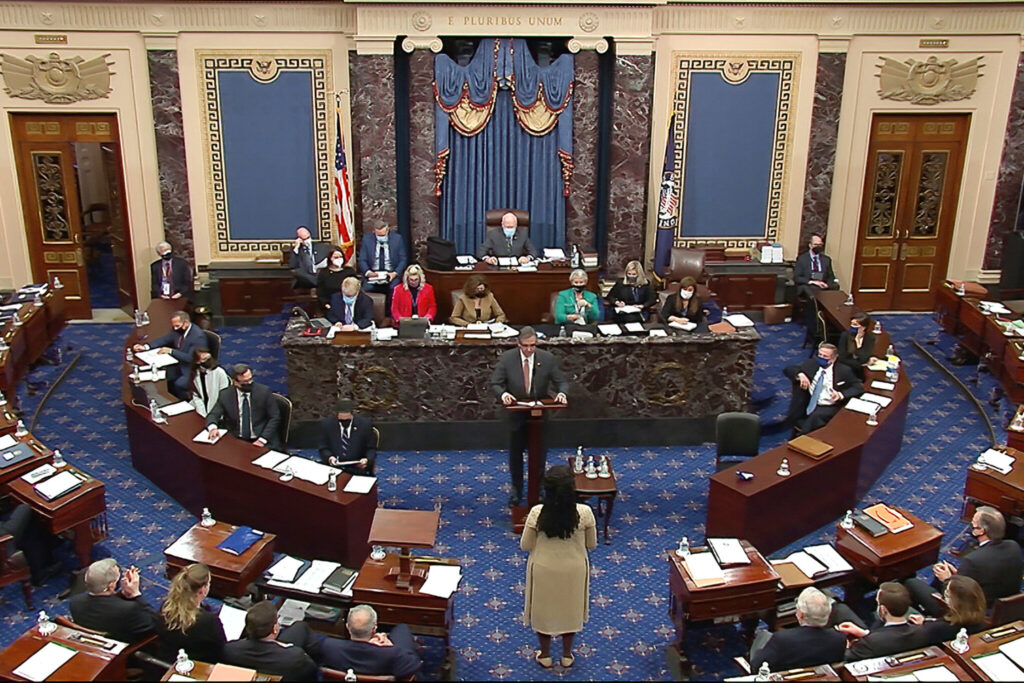
Sen. John Cornyn is calling on fellow Republicans to reconsider the Senate’s filibuster rules as lawmakers debate the future of the Safeguard American Voter Eligibility (SAVE) Act, a high-profile election integrity bill that has already passed the House of Representatives.
The talks come as President Donald Trump’s administration pursues a broader diplomatic framework designed to reduce regional tensions while protecting American interests and strengthening security partnerships in the Middle East.

[poll id=”4″]
In a recent opinion article, Cornyn argued that advancing the legislation should take precedence over preserving the Senate’s traditional 60-vote threshold, which often makes it difficult for controversial bills to reach a final vote.
The proposal has intensified discussions about election policy, Senate procedure, and the balance between protecting minority rights in Congress and advancing legislative priorities.
What Is the SAVE Act?
The SAVE Act is designed to strengthen voter eligibility verification requirements for federal elections.
Supporters argue the measure would improve confidence in the electoral process by ensuring that only eligible citizens participate in federal elections. Critics, however, contend that certain provisions could create additional hurdles for voter registration and election administration.
The legislation has become one of the most closely watched election-related proposals currently under consideration in Washington.
Cornyn Questions Current Filibuster System
In his op-ed, Cornyn criticized what he described as the Senate’s “zombie filibuster,” a process that allows legislation to be blocked without requiring senators to continuously debate on the Senate floor.
Instead, he expressed support for a “talking filibuster,” which would require lawmakers opposing a bill to remain actively engaged in debate if they wish to delay or prevent a vote.
Cornyn argued that procedural reforms could help improve transparency and accountability while still preserving opportunities for dissenting voices to be heard.
Republican Leaders Remain Divided
Despite Cornyn’s proposal, significant questions remain about whether there is enough support within the Republican conference to alter Senate procedures.
Senate Majority Leader John Thune has publicly expressed skepticism regarding the votes needed to change long-standing Senate rules.
Several Republican senators, including Susan Collins, Lisa Murkowski, and Mitch McConnell, have also voiced varying concerns about modifying filibuster procedures or aspects of the legislation itself.
Meanwhile, Senate Democrats led by Chuck Schumer remain opposed to the bill, making it difficult to achieve the 60 votes generally required for passage.
Political Stakes Continue to Rise
The debate arrives at a significant political moment for Cornyn.
The Texas senator is preparing for a closely watched Republican primary contest against Ken Paxton, a race attracting national attention from both party activists and political observers.
Adding to the intrigue, President Donald Trump has indicated that his future endorsement decisions could be influenced by how lawmakers approach the SAVE Act and other election-related priorities.
As a result, the issue has become both a policy debate and a test of political leadership within the Republican Party.
Why This Matters
The dispute highlights broader questions about how the Senate should function in an era of increasing political polarization.
Supporters of reform argue that current procedures make it too difficult to pass legislation that enjoys majority support, while opponents caution that weakening the filibuster could reduce protections for minority viewpoints and lead to greater instability when control of Congress changes hands.
The outcome could influence not only the future of the SAVE Act but also how major legislation is considered in the Senate for years to come.
Opinion: Many Conservatives See Election Integrity as a Priority
From a pro-Trump and conservative perspective, supporters of the SAVE Act argue that election integrity remains one of the most important issues facing the country. They believe measures designed to verify voter eligibility help strengthen public confidence in election outcomes and protect the integrity of the democratic process.
Many conservatives also view Senate procedural debates through the lens of whether important legislation can realistically advance under current rules. While opinions differ on changing the filibuster itself, supporters contend that election-related reforms deserve serious consideration and debate rather than being blocked by procedural obstacles.
At the same time, others within the Republican Party remain cautious about altering Senate traditions, reflecting the ongoing balance between achieving policy goals and preserving institutional rules. The debate illustrates how questions of election policy and congressional procedure have become increasingly intertwined in modern American politics.

Benjamin Harris is a RapidReports front page contributor and editor,proud father of four.