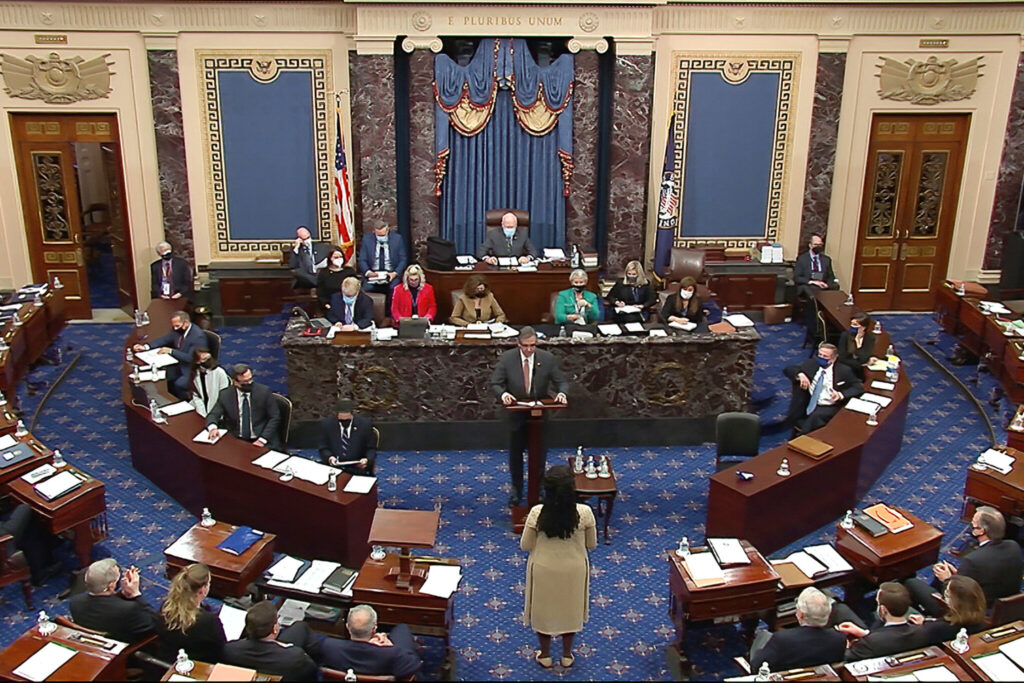
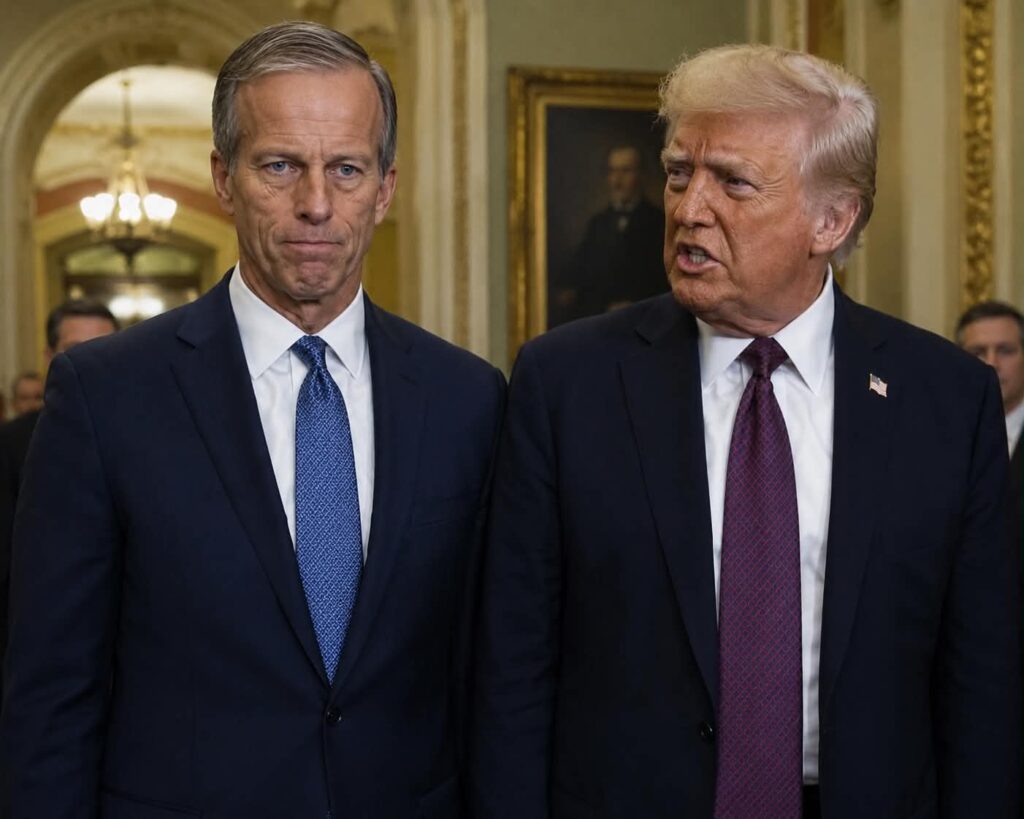
John Thune & President Donald Trump / Rapid Reports Image
Trump Delays Housing Bill Signing as Senate Standoff Over SAVE America Act Intensifies
President Donald Trump escalated pressure on Senate Republicans Wednesday by postponing the signing of a major housing affordability bill until lawmakers act on the SAVE America Act, a measure backed by many conservatives as a key election integrity proposal.
?️ Republican 2028 Poll: If the Republican presidential primary were held today, who would receive your vote?
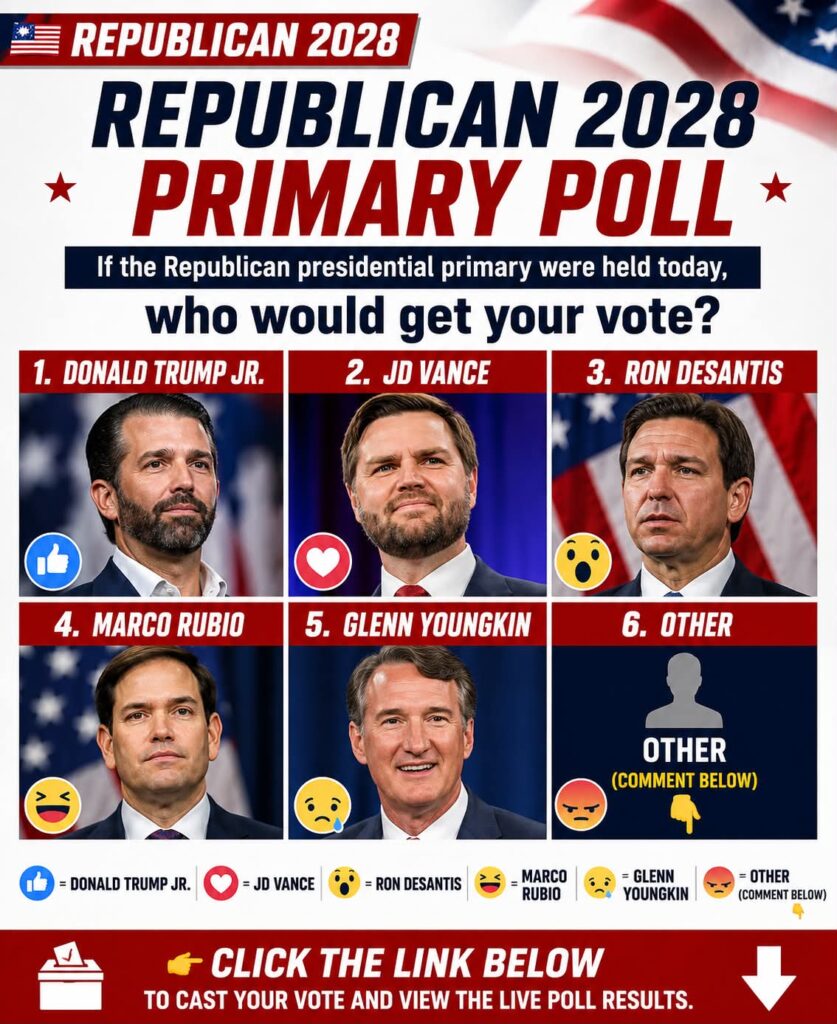
[poll id=”6″]
The unexpected move added new drama to an already busy day that included meetings on Capitol Hill and discussions with international leaders at the White House.
Trump announced that he would not sign the 21st Century ROAD to Housing Act until the Senate addresses the SAVE America Act, signaling that election security remains a top priority for his administration.
Housing Bill Put on Hold
The 21st Century ROAD to Housing Act has been promoted as legislation aimed at increasing housing supply and improving affordability for American families.
Supporters argue that the bill could help address rising home prices and expand opportunities for first-time homebuyers. However, Trump’s decision to delay signing the measure has shifted attention toward a broader political battle unfolding in the Senate.
The president’s position suggests that major legislative victories on affordability should be accompanied by action on election-related reforms that many Republicans consider equally important.
Senate Leadership Responds
While traveling to Capitol Hill, Trump drew a response from Senate Majority Leader John Thune, who acknowledged that the decision to postpone the bill signing was ultimately the president’s choice.
Speaking to reporters, Thune praised the housing legislation and emphasized its potential impact on affordability and housing availability.
He expressed hope that the bill would eventually become law, citing its long development process and bipartisan policy goals.
At the same time, Thune stopped short of committing to Senate passage of the SAVE America Act, highlighting ongoing divisions within the Republican conference over strategy and procedural hurdles.
Internal Republican Debate Emerges
The dispute has exposed growing tensions among Senate Republicans regarding how aggressively to pursue election-related legislation.
According to reports, discussions during recent closed-door meetings became contentious as lawmakers debated the prospects of advancing the SAVE America Act through the Senate.
The legislation, championed by many Trump allies and sponsored by Mike Lee, has become a focal point for conservatives who argue that election integrity reforms remain a top concern among Republican voters.
Supporters contend that the bill would strengthen confidence in the electoral process and address concerns about election administration.
Procedural Challenges Remain
Despite support from many Republicans, the bill faces significant obstacles in the Senate.
Current Senate rules generally require 60 votes to overcome a filibuster, creating a difficult path forward for legislation that lacks broad bipartisan support.
Some lawmakers argue that procedural realities make passage unlikely under current conditions, while supporters maintain that alternative legislative strategies should still be explored.
The disagreement reflects a broader debate within the Republican Party about balancing policy goals with legislative realities.
Why This Matters
The confrontation comes as Republicans prepare for future elections and seek to define their priorities on issues ranging from election integrity and government reform to housing affordability and economic growth.
Trump’s decision to connect the housing bill with the SAVE America Act demonstrates how closely intertwined these policy debates have become within the party.
The outcome could influence both legislative strategy and internal Republican dynamics in the months ahead.
Opinion: Trump Is Using Leverage to Advance Conservative Priorities
From a pro-Trump perspective, the decision to delay signing the housing bill reflects a willingness to use presidential leverage to push for policies that many conservatives believe are essential.
Supporters argue that while housing affordability is an important issue, election integrity remains fundamental to public confidence in the democratic process. They contend that advancing reforms designed to strengthen trust in elections deserves the same level of urgency as economic legislation.
Many Trump supporters view the SAVE America Act as a priority because they believe secure and transparent elections are the foundation upon which all other policy debates rest. By tying legislative action to broader conservative goals, they argue that the president is ensuring key issues remain at the forefront of Washington’s agenda rather than being sidelined by political considerations.
Whether the Senate ultimately advances the legislation remains uncertain, but supporters see Trump’s move as another example of his willingness to challenge the status quo and push aggressively for policies favored by his voter base.

Benjamin Harris is a RapidReports front page contributor and editor,proud father of four.