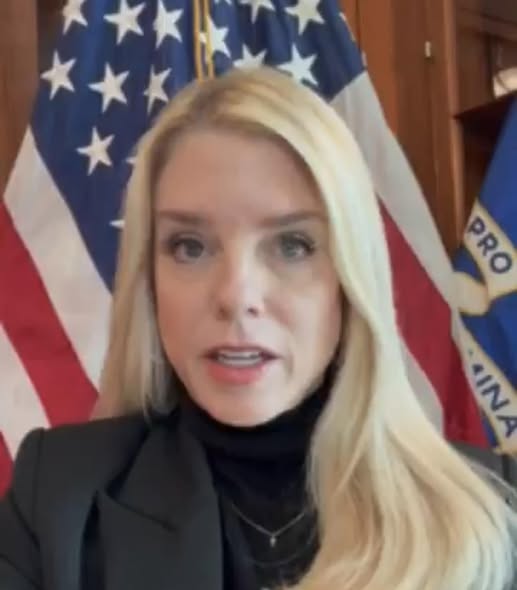
A senior U.S. defense official told lawmakers that a major global power may be providing indirect support to Iran as tensions in the region continue to rise. The comments came during a congressional hearing focused on national security and military operations.
Dan Caine addressed the issue while testifying before the Senate Armed Services Committee. He indicated that there are signs of involvement but did not provide detailed specifics in the public setting.
“There’s definitely some action there,” Caine said, noting that certain information could not be discussed openly due to security considerations.
Roger Wicker, who chairs the committee, also spoke during the hearing. He suggested that U.S. officials view the situation as more than limited or symbolic involvement.
Wicker stated that the actions of Vladimir Putin’s government appear to be aimed at influencing the broader regional situation. His remarks highlighted growing concern among lawmakers.
The discussion comes amid ongoing U.S. military operations tied to regional security efforts. Officials have described these operations as complex and resource-intensive.
Defense officials estimate that current operations have already required significant funding. Costs are expected to increase further as future defense budgets are considered.
While specific details were not disclosed, officials indicated that assistance to Iran may involve intelligence-sharing rather than direct military engagement. This type of support can include surveillance data or other strategic information.
Such assistance can help improve situational awareness without requiring direct participation in combat. Analysts say this approach allows outside actors to influence events while limiting their exposure.
Experts note that Russia has strong incentives to avoid direct conflict with the United States or its allies. Its ongoing commitments elsewhere may also shape its approach.
The relationship between Russia and Iran has developed over time, with cooperation expanding in several areas. These include economic ties and defense-related coordination.
Some reports suggest that technical assistance and limited equipment support may also be part of that relationship. However, there is no indication of large-scale military involvement.
Beyond military matters, diplomatic activity has also played a role. Russia has frequently called for negotiations and has participated in international discussions on regional stability.
Lawmakers have raised concerns that cooperation among several countries could affect global security dynamics. They emphasized the importance of monitoring these developments closely.
As the situation evolves, U.S. officials say they will continue to assess the level of foreign involvement and its potential impact on ongoing operations.
READ ALSO: Personal loans have become one of the most popular financial tools for managing expenses, consolidating debt, and funding major purchases. In 2026, lenders are offering more flexible options than ever before, making it easier to find a loan that fits your needs.
What Is a Personal Loan?
A personal loan is a type of unsecured loan that allows you to borrow money without collateral. You can use it for various purposes, including debt consolidation, home improvement, or emergency expenses.
Top Benefits of Personal Loans
Fixed interest rates and predictable monthly payments
No need for collateral
Fast approval process
Flexible repayment terms
How to Choose the Best Personal Loan
When comparing loan offers, consider the following factors:
Interest rate (APR)
Loan term
Fees and penalties
Lender reputation
Tips to Get the Lowest Interest Rate
Improve your credit score before applying
Compare multiple lenders
Choose a shorter loan term
Avoid unnecessary fees
Final Thoughts
Finding the best personal loan requires research and comparison. By understanding your financial situation and exploring different lenders, you can secure a loan with competitive rates and favorable terms.
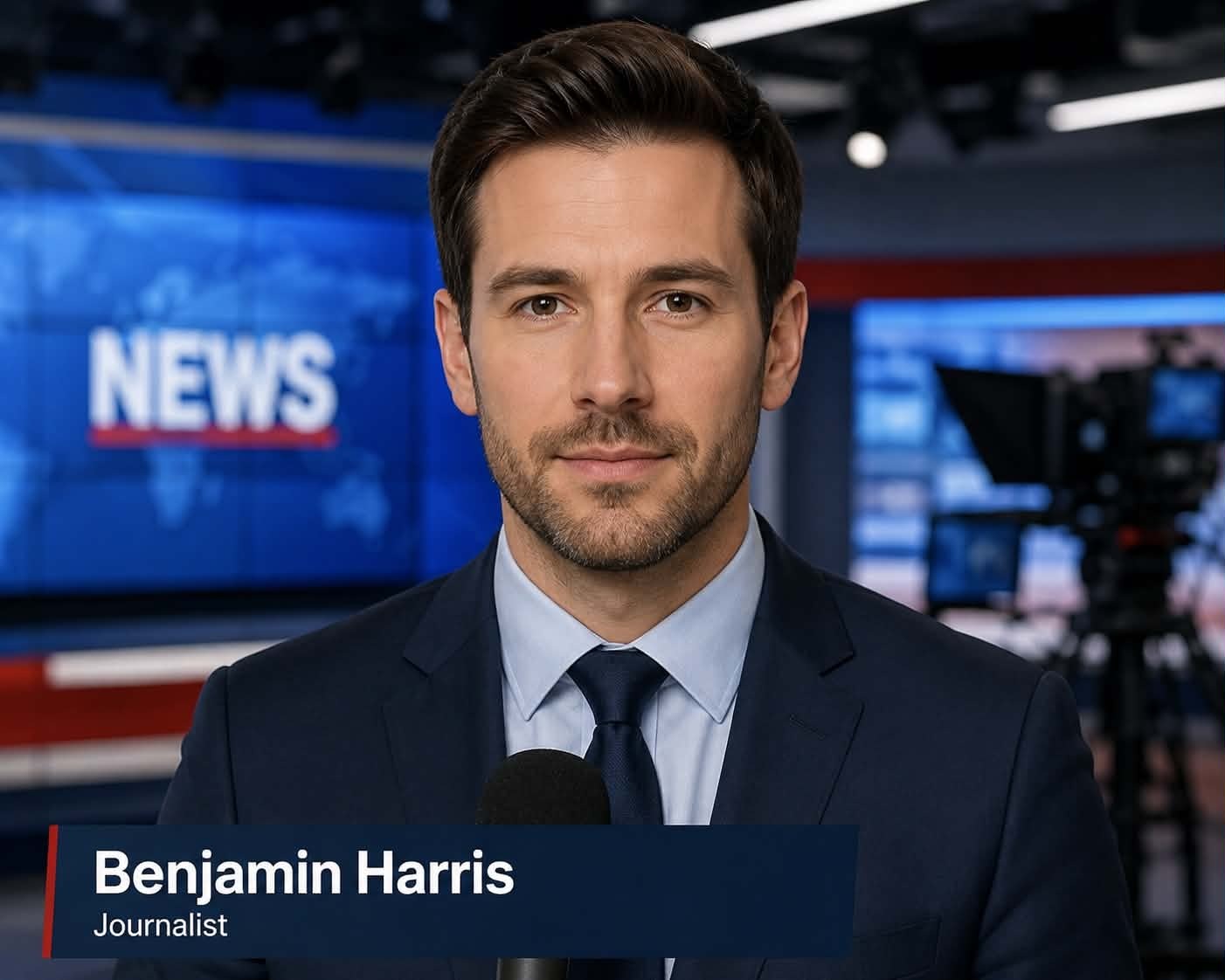
Benjamin Harris is a RapidReports front page contributor and editor,proud father of four.