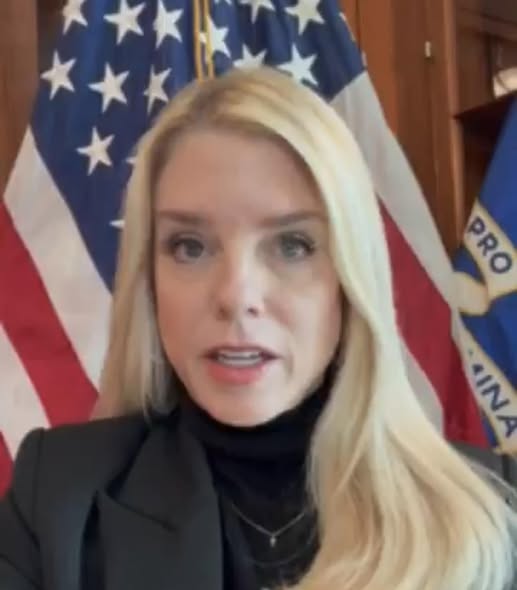
Bessent recently defended the tariff plan, describing it as a national security measure designed to prevent future conflicts. According to Bessent, the strategy is to use economic pressure rather than resorting to military action. This approach, he argues, could ensure stability without escalating tensions.
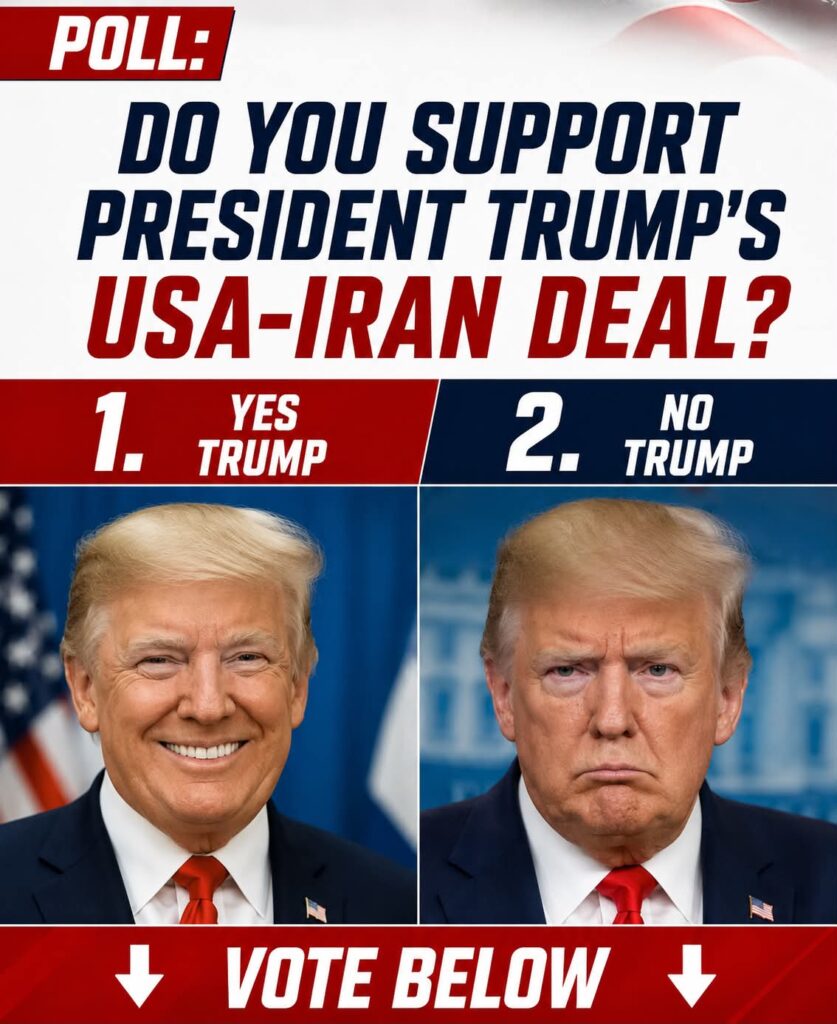
[poll id=”4″]
The proposed tariffs have drawn significant criticism from European leaders, who have voiced concerns about the potential impact on transatlantic relations. They argue that such measures could damage long-standing alliances and complicate diplomatic ties between the U.S. and European nations.
Despite the backlash, the Trump administration remains firm in its stance, emphasizing the strategic importance of increased U.S. control in Greenland. The administration asserts that the Arctic region has become a focal point as both Russia and China have been expanding their influence in the area.
The U.S. argues that Greenland’s proximity to the Arctic makes it an essential asset for national security. With Russia and China both strengthening their foothold in the region, the U.S. sees increased control over Greenland as a way to secure its interests and maintain geopolitical leverage.
Diplomatic discussions on the matter are reportedly ongoing, according to the Trump administration. The administration remains open to negotiations with European allies and other international stakeholders to ensure that the proposed measures are effective without causing unnecessary friction.
Many European leaders have expressed concerns that the tariff plan could disrupt existing economic agreements between the U.S. and Europe. They warn that the move could lead to retaliation, which might negatively affect trade relations across the Atlantic.
However, U.S. officials argue that the need for strategic control in the Arctic outweighs the potential economic fallout. The U.S. continues to stress the importance of safeguarding its national interests in the face of growing competition in the region.
Bessent’s defense of the plan also includes the argument that economic pressure, rather than military confrontation, provides a more sustainable approach to addressing global security challenges. He believes that this method could help prevent the need for armed conflict while still achieving strategic goals.
The Arctic, with its vast natural resources and key shipping routes, has become increasingly important as global powers vie for influence. The U.S. sees the region as vital to its future security and economic interests, especially in light of Russia’s increasing military presence and China’s growing investments.
While the proposal remains contentious, the Trump administration remains resolute in its view that controlling Greenland will help secure U.S. dominance in the Arctic. This strategic focus is expected to continue influencing U.S. policy in the region moving forward.
As tensions rise, diplomatic channels remain open, with both sides seeking a resolution that balances national security priorities with the need for international cooperation. The outcome of these discussions will likely have significant implications for future U.S.-European relations.
Bessent’s comments highlight the administration’s broader vision for U.S. influence in the Arctic, with a particular focus on Greenland’s strategic position. By asserting its presence, the U.S. aims to maintain its competitive edge over rival nations seeking to assert control in the region.
The criticism from European leaders also underscores the delicate balance the U.S. must strike between pursuing its national security goals and maintaining strong partnerships with its allies. The effectiveness of this approach remains to be seen, as the situation continues to unfold.
The proposed tariffs are part of a broader strategy to enhance U.S. control over Greenland, but the backlash shows the complexity of navigating international relations in today’s increasingly interconnected world. How the U.S. handles these tensions will likely shape its foreign policy for years to come.
As diplomatic discussions continue, both sides are likely to focus on finding common ground to ensure that security concerns are addressed without jeopardizing crucial relationships across the Atlantic. The situation remains dynamic and will require careful management to avoid further complications.
Benjamin Harris is a RapidReports front page contributor and editor,proud father of four.