
Texas Judge Defends Verdict in High-Profile Karmelo Anthony Murder Case
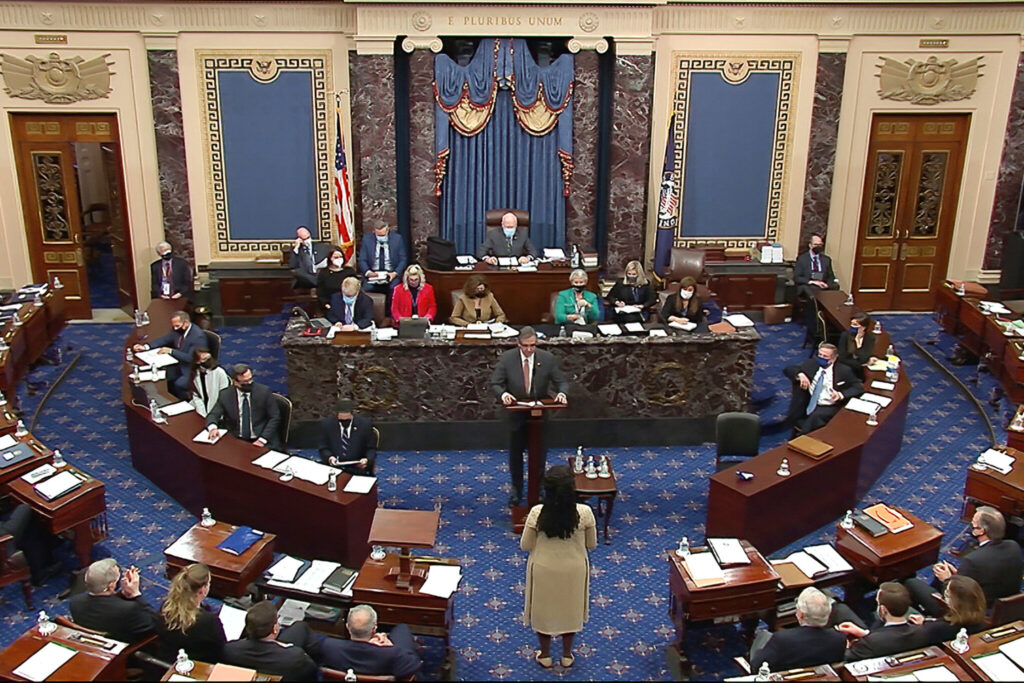
Judge John Roach Jr., who presided over the nationally watched murder trial of Karmelo Anthony in Collin County, Texas, has publicly addressed the case for the first time following the jury’s verdict.
Anthony was convicted of first-degree murder in the fatal stabbing of 17-year-old Austin Metcalf during a track meet in Frisco on April 2, 2025. After reviewing the evidence and hearing testimony throughout the trial, jurors rejected Anthony’s self-defense claim and sentenced him to 35 years in prison.
Speaking with local media, Judge Roach expressed confidence in the jury’s decision and the integrity of the judicial process.
Judge Praises Jury’s Work
When asked whether the jury reached the correct conclusion, Roach said the verdict reflected the legal process functioning as intended.
“The jury was selected according to the law, heard all of the evidence presented in court, and ultimately reached a verdict based on the facts,” Roach explained.
His comments reinforce what many supporters of law and order have argued throughout the case: that the justice system worked properly by allowing a jury of citizens to evaluate the evidence and render a decision.
engagement.
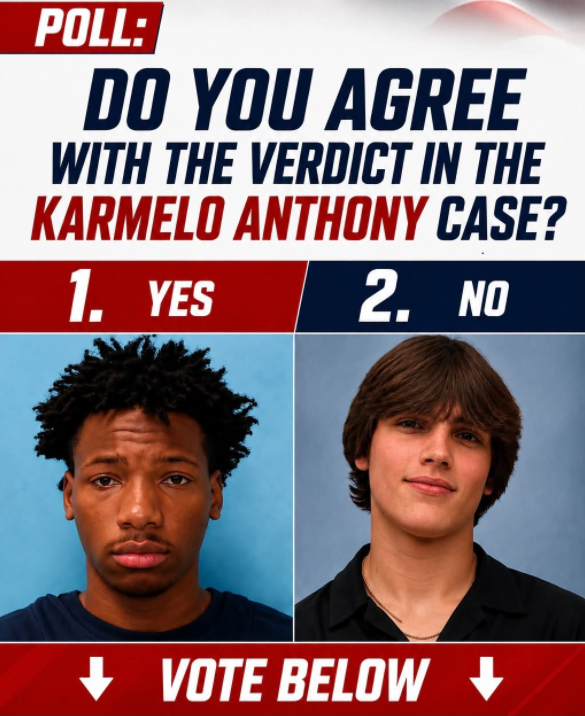
[poll id=”2″]
Accountability and Consequences
Judge Roach also reflected on Anthony’s demeanor during the proceedings.
“He seemed like a respectful young man who made a serious mistake and now understands the consequences of his actions,” Roach said.
The remarks highlight a central principle of the American justice system: individuals are responsible for their actions and must be held accountable when crimes result in tragic loss of life.
Commitment to Following the Law
Throughout the trial, Roach faced criticism from various groups and commentators. However, the judge emphasized that his responsibility was not to satisfy public opinion but to ensure a fair and lawful proceeding.
“As long as I follow the law, I sleep well at night,” Roach stated.
He added that judges are tasked with applying the law impartially, regardless of outside political pressure or public reaction.
Why Cameras Were Not Allowed
One of the most discussed decisions during the trial involved Roach’s refusal to allow television cameras inside the courtroom.
The judge said the decision was straightforward because his primary objective was protecting the fairness of the trial for both the prosecution and the defense.
“My focus was making sure both sides received a fair trial,” he explained.
Supporters of the decision argued that keeping cameras out helped maintain courtroom decorum and prevented unnecessary distractions during a highly emotional case.
A Case That Drew National Attention
The trial attracted significant public interest across the country and sparked widespread debate on issues ranging from self-defense claims to criminal justice procedures.
Despite the intense attention surrounding the case, Judge Roach maintained that the verdict was based solely on the evidence presented in court and the rule of law.
For many Americans, the outcome represents a reminder that justice depends on facts, evidence, and due process—not political narratives or social media campaigns.
As the case moves into the appeals process, Judge Roach’s comments underscore a message many conservatives have emphasized: equal justice under the law remains one of the foundational principles that protects the integrity of the American legal system.

Benjamin Harris is a RapidReports front page contributor and editor,proud father of four.