Kamala Harris Received LAPD and CHP Security After Trump Ended Secret Service Protection
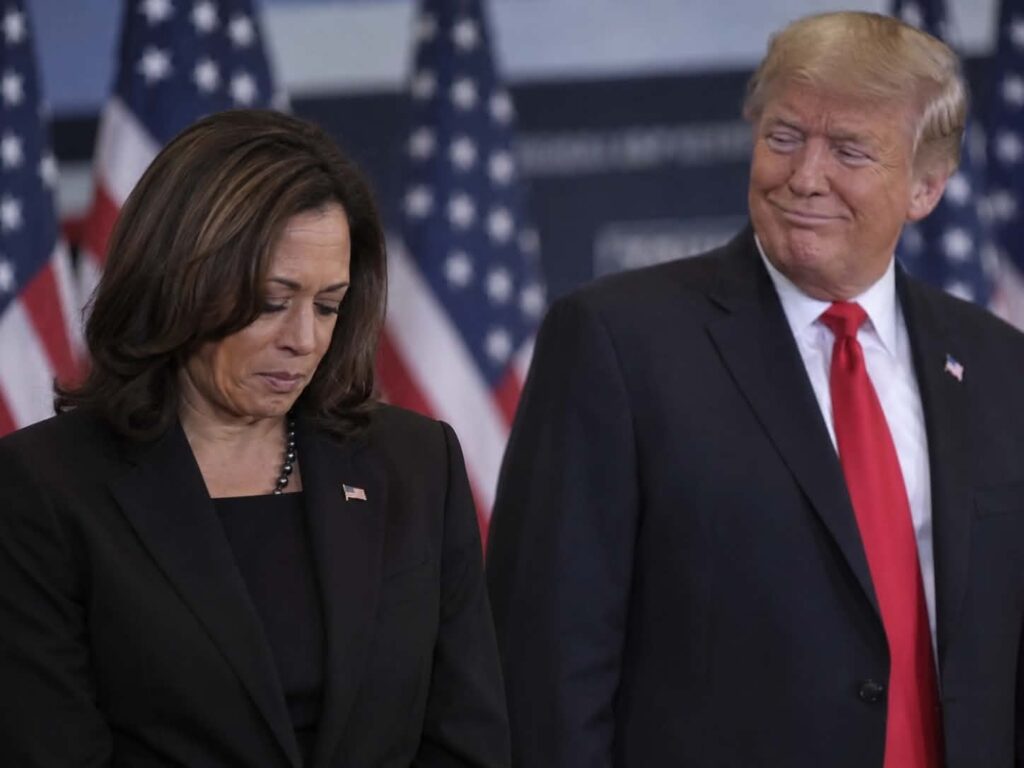
Former Vice President Kamala Harris was temporarily protected by California law-enforcement agencies after President Donald Trump ended her extended Secret Service protection in September 2025, according to reporting from the Los Angeles Times, CBS Los Angeles and other news organizations.
The episode created a dispute over how Harris should be protected after leaving federal office and who should pay for that protection.
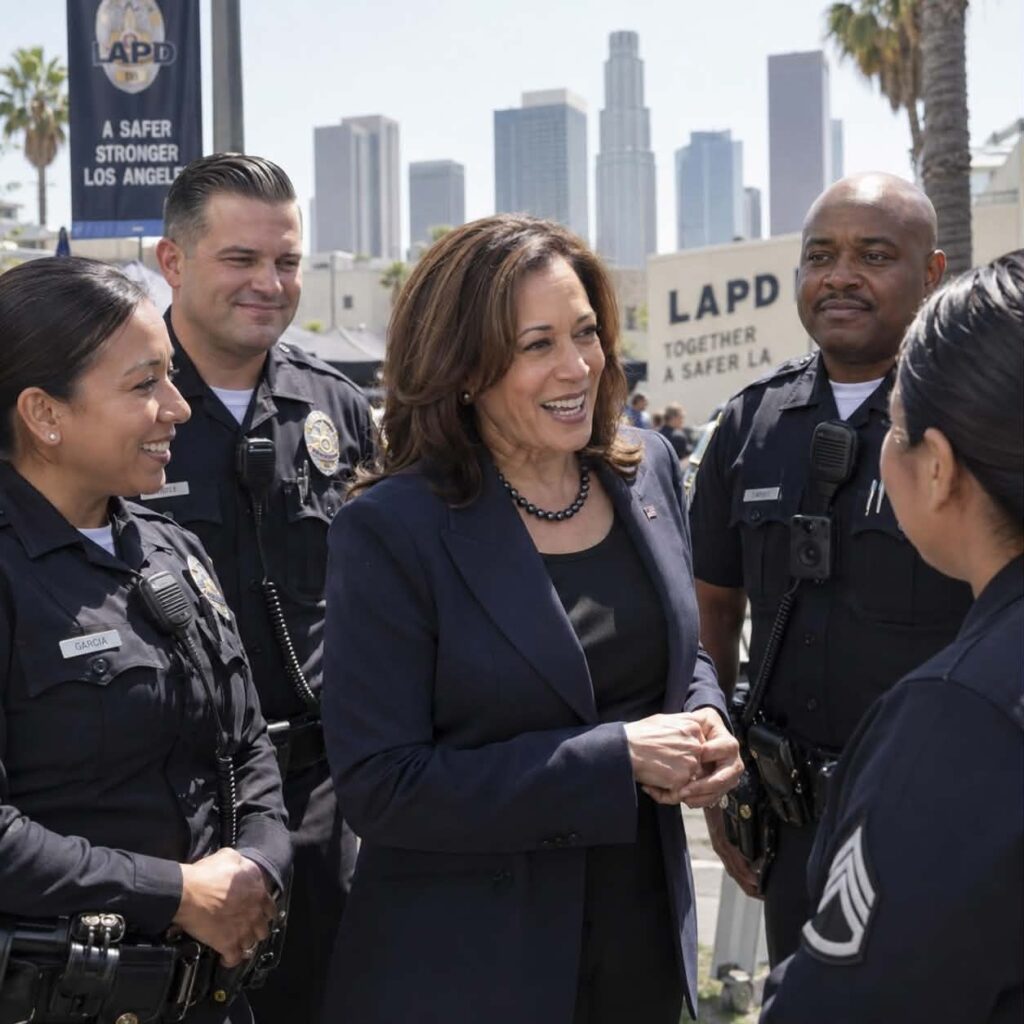
For a brief period, officers from the Los Angeles Police Department’s Metropolitan Division assisted the California Highway Patrol with security for Harris at her Los Angeles-area home. The arrangement was temporary, however, and LAPD subsequently withdrew from the detail after criticism that officers were being diverted from regular crime-suppression duties.
Trump Ended Harris’ Extended Secret Service Protection
Trump’s decision was announced in late August 2025 and took effect September 1.
A senior Trump administration official confirmed that the president had revoked Harris’ Secret Service protection. ABC News reported that the memorandum authorized the Department of Homeland Security to discontinue security-related procedures for Harris beyond those otherwise required by law.
The decision ended protection that had been extended beyond the period normally provided to former vice presidents.
Under federal law, former vice presidents and certain members of their families are generally eligible for Secret Service protection for up to six months after leaving office. The law also gives the secretary of Homeland Security authority to direct temporary protection afterward when circumstances warrant it.
Harris’ situation was unusual because President Joe Biden had previously authorized an extension of her federal protection beyond the normal period.
Why Biden Had Extended the Protection
Harris left the vice presidency in January 2025 after serving as Biden’s vice president from 2021 through 2025.
Ordinarily, the statutory six-month period would have ended in July.
But Biden had authorized additional protection before leaving office. Contemporary reporting differed somewhat in describing the precise extension period, but the central point was that Harris’ Secret Service coverage had been extended beyond the normal six months.
Trump’s August 2025 memorandum ended that additional protection as of September 1.
The White House decision therefore did not eliminate a permanent entitlement that former presidents receive. Rather, it ended an extended security arrangement for a former vice president before the extension would otherwise have expired.
California Quickly Looked for an Alternative
Trump’s decision left California officials facing a practical question: how would Harris be protected once the federal detail departed?
California officials arranged for the California Highway Patrol to provide protection.
The Los Angeles Times reported that the CHP’s Dignitary Protection Section became involved after Trump revoked Harris’ Secret Service detail.
The LAPD then joined the temporary arrangement.
An LAPD spokesperson told the Los Angeles Times that the department was assisting the CHP in providing protective services until an alternative arrangement could be established. The department described the effort as a temporary coordinated operation intended to prevent a gap in Harris’ security.
LAPD Officers Were Pulled From Other Duties
The use of LAPD officers quickly became controversial.
According to the Los Angeles Times, a dozen or more Metropolitan Division officers were assigned to the protective detail. Those officers normally performed other assignments, including crime-suppression work in areas of Los Angeles.
The issue became particularly sensitive because Los Angeles has faced persistent debates over police staffing, violent crime, property crime and how specialized officers should be deployed.
The question was therefore not simply whether Harris should have security.
It was also about whether city police resources should be used for the protection of a former federal official when California already had a state law-enforcement agency capable of providing dignitary protection.
LAPD Later Ended Its Role
The temporary LAPD arrangement did not last.
On September 6, 2025, the Los Angeles Times reported that the LAPD had discontinued its protection of Harris following criticism over the deployment of Metropolitan Division officers.
The newspaper reported that the officers had been assisting the CHP but were being pulled away from crime-suppression assignments.
That development meant the LAPD’s participation in Harris’ protective detail lasted only a matter of days.
The California Highway Patrol remained part of the broader security arrangement while officials worked on an alternative solution.
The Security Dispute Became Political
The decision to end Harris’ federal protection immediately became part of the broader political conflict between Trump and Harris.
Harris had been Trump’s Democratic opponent in the 2024 presidential election. Trump defeated Harris in that election before beginning his second presidential term.
Los Angeles Mayor Karen Bass criticized Trump’s decision and argued that Harris’ safety should not be affected by political disagreements.
Trump administration officials, meanwhile, pointed to the distinction between the normal statutory protection available to former vice presidents and the additional protection that had been granted to Harris.
That distinction is important when describing the dispute accurately.
There was no disagreement that Harris had received Secret Service protection while vice president. The dispute concerned the continuation of extended protection after the normal statutory period.
Federal Law Provides a Six-Month Baseline
Congress established the six-month protection period for former vice presidents in legislation enacted in 2008.
The statute provides protection for former vice presidents, their spouses and children under 16 for a period of not more than six months after the former vice president leaves office. It also permits the Homeland Security secretary to direct temporary protection afterward if information or conditions warrant it.
That framework is different from the rules governing former presidents, who have a separate statutory protection arrangement.
The distinction helps explain why the end of Harris’ Secret Service detail was legally different from the termination of a former president’s lifetime Secret Service protection.
Harris Had Faced Security Concerns Before
Harris’ security situation was not occurring in a vacuum.
During the 2024 presidential campaign, she was among the major national political figures receiving Secret Service protection.
The security environment surrounding senior political figures also became a major national issue after two assassination attempts against Trump during the 2024 campaign.
A 2026 Government Accountability Office review of Secret Service protection policies noted that the agency’s protective mission has been operating in an environment involving multiple attacks and threats against protectees. The report specifically examined protection policies and incidents involving senior U.S. officials from fiscal years 2015 through 2025.
That broader security environment is part of the context surrounding debates over protection for former national officials.
What Happened to the LAPD Detail?
The sequence of events is important:
August 2025: Trump revoked Harris’ extended Secret Service protection.
September 1, 2025: The federal change took effect.
Early September 2025: California arranged protection involving the CHP, with LAPD assisting temporarily.
September 3–4: LAPD and CHP protection became publicly reported after officers were observed outside Harris’ Los Angeles home.
September 6: LAPD ended its participation following criticism over the deployment of officers from other duties.
This chronology is preferable to describing Harris as receiving an ongoing LAPD protective detail in 2026.
What the Original Story Gets Wrong
The supplied account describes these events as though they occurred in the current news cycle.
They did not.
The Trump decision and the LAPD deployment occurred in 2025, not September 2026.
That distinction matters because the security arrangement changed shortly after it began. The LAPD did not continue providing Harris with the temporary protection indefinitely.
Contemporary reporting from the Los Angeles Times specifically states that the department ended its role on September 6, 2025.
Therefore, a headline such as “Kamala Harris Is Now Being Guarded by LAPD Officers” would be misleading if published as a current September 2026 event.
A more accurate headline would make the historical timing clear.
Harris’ Political Future Is a Separate Question
The security controversy also occurred while Harris’ political future was being discussed.
After losing the 2024 presidential election, Harris remained a prominent Democratic figure and was discussed as a possible candidate for future office.
She had already announced in 2025 that she would not seek the California governorship in the 2026 election. Reporting at the time also noted speculation about whether she might eventually consider another presidential campaign.
Those political questions, however, are separate from the security arrangement.
Whether Harris runs for office again does not determine whether she receives federal protection. Secret Service protection is governed by statute and federal decisions concerning eligibility and security needs.
A Larger Question About Protecting Former Officials
The Harris episode illustrates a broader issue facing governments: determining how much security should be provided to former national officials once they leave office.
Former officials can remain highly visible public figures even after leaving government.
At the same time, security resources are limited, and state and local police departments have their own responsibilities.
In Harris’ case, those competing considerations became particularly visible when LAPD officers were temporarily assigned to her protection and subsequently returned to other duties.
The controversy therefore involved more than Trump and Harris.
It raised questions about federal authority, state responsibility, local police resources and the appropriate level of security for former national officials.
Bottom Line
Donald Trump did revoke former Vice President Kamala Harris’ extended Secret Service protection in 2025, ending the arrangement effective September 1 of that year.
California responded by arranging alternative protection, with the California Highway Patrol taking a central role and LAPD Metropolitan Division officers temporarily assisting.
But the LAPD’s participation was short-lived.
The department ended its involvement on September 6, 2025, after criticism that officers had been diverted from other crime-suppression responsibilities.
So the accurate story is not that Harris is currently being guarded by LAPD officers in September 2026. Rather, she was temporarily protected by LAPD and CHP personnel in September 2025 after Trump ended her extended federal protection, before LAPD withdrew from the arrangement several days later.
That distinction should be reflected in any current article to avoid turning an earlier news event into a misleading present-tense claim.
Benjamin Harris is a RapidReports front page contributor and editor,proud father of four.