Trump Announces Major Iran Agreement Focused on Nuclear Security, Energy Stability, and Regional Peace
President Donald Trump announced Saturday that a new agreement between the United States and Iran is expected to be finalized soon, marking what could become one of the most significant foreign policy developments of his second term.
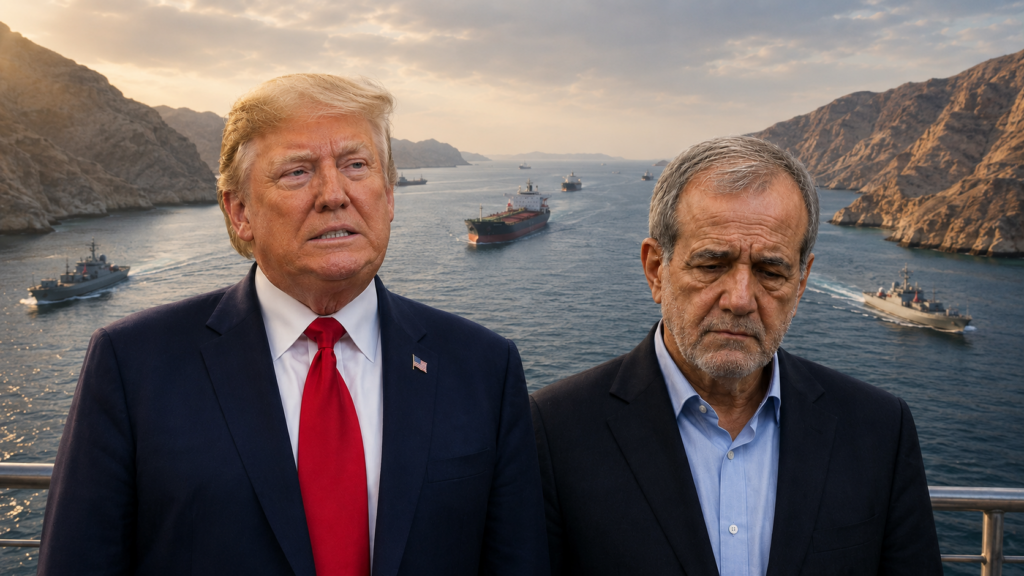
According to Trump, the proposed memorandum of understanding is designed to reduce regional tensions, strengthen international security, prevent Iran from obtaining a nuclear weapon, and restore normal maritime traffic through the strategically important Strait of Hormuz.

[poll id=”2″]
America First Approach to Foreign Policy
Trump emphasized that the framework differs significantly from previous agreements negotiated under earlier administrations.
The president highlighted that the proposed arrangement does not involve direct cash payments and instead focuses on security guarantees, verification measures, and long-term regional stability.
Supporters view the approach as consistent with Trump’s “Peace Through Strength” doctrine, which combines economic leverage, military deterrence, and diplomacy to advance American interests.
Focus on Nuclear Security
A key component of the agreement involves addressing concerns surrounding Iran’s nuclear program.
Trump indicated that any remaining nuclear materials would ultimately be secured, processed, and eliminated under strict oversight procedures designed to ensure long-term compliance.
The administration has repeatedly stressed that preventing nuclear proliferation remains a top national security priority.
Experts note that a successful agreement could significantly reduce geopolitical risks across the Middle East while strengthening global security frameworks.
Reopening a Critical Global Trade Route
One of the most closely watched elements of the proposed deal is the reopening of the Strait of Hormuz.
The narrow waterway serves as one of the world’s most important energy transportation corridors, carrying a substantial share of global oil and natural gas shipments.
Any reduction in tensions around the strait could provide greater certainty for energy markets, international shipping companies, and global supply chains.
Investors and energy analysts have closely monitored developments because stability in the region can have significant implications for worldwide commerce and energy prices.
Regional Leaders Signal Progress
The announcement follows months of diplomatic discussions involving multiple international partners and regional mediators.
Several officials involved in the negotiations have expressed optimism that a final agreement is within reach, though some procedural steps remain before full implementation.
Iranian officials have acknowledged progress in negotiations while indicating that internal review processes are still ongoing.
Foreign Minister Seyed Abbas Araghchi recently stated that an agreement has “never been closer,” suggesting momentum continues to build toward a final resolution.
Strength Backed by Deterrence
While expressing optimism about the agreement, Trump also reiterated that the United States remains prepared to protect its interests if negotiations ultimately fail.
The president emphasized that diplomacy works best when backed by credible strength and clear consequences for noncompliance.
Supporters argue that this combination of strong deterrence and active diplomacy has helped move negotiations closer to a potential breakthrough.
Economic and Security Implications
A finalized agreement could have far-reaching effects across global markets, international trade, energy infrastructure, and regional security.
Business leaders, investors, and policymakers continue to watch developments closely as negotiations enter what appears to be their final stage.
Should the agreement move forward, it could represent a major victory for the administration’s efforts to promote stability, strengthen national security, and reduce the threat of future conflict in one of the world’s most strategically important regions.
For now, attention remains focused on the next phase of negotiations as both sides work toward what could become a historic diplomatic milestone.

Benjamin Harris is a RapidReports front page contributor and editor,proud father of four.