Oil Prices Surge Above $100 as Middle East Attacks Threaten Global Supply
Oil prices have surged above $100 a barrel for the first time since July, as a new wave of attacks on tankers and energy infrastructure across the Middle East raises concerns about an increasingly fragile global oil supply.
Brent crude, the international benchmark, climbed nearly 3% to about $100.72 a barrel in early Wednesday trading. U.S. benchmark West Texas Intermediate crude also moved sharply higher, gaining about 2.4% to $95.25 a barrel.
The latest move has renewed concerns that prolonged disruptions around the Strait of Hormuz and other regional shipping routes could keep energy prices elevated and add another source of inflationary pressure.
Gasoline Prices Jump as Oil Moves Higher
The impact is already being felt by American consumers.
According to AAA, the national average for regular gasoline reached approximately $4.22 per gallon on Wednesday, after rising about seven cents overnight. The current average is more than $1 higher than it was at the same point last year.
Diesel prices are even more concerning for businesses and transportation companies.
The national average for diesel climbed to roughly $5.94 per gallon, according to current reporting. Diesel had already reached a record high earlier in the week before continuing upward.
Because diesel powers much of the trucking, shipping, construction and industrial sectors, sustained increases can eventually affect the prices consumers pay for a wide range of goods.
Why Oil Markets Are Reacting So Quickly
The latest price surge follows another escalation in the Middle East involving the United States, Iran and Iran-backed forces.
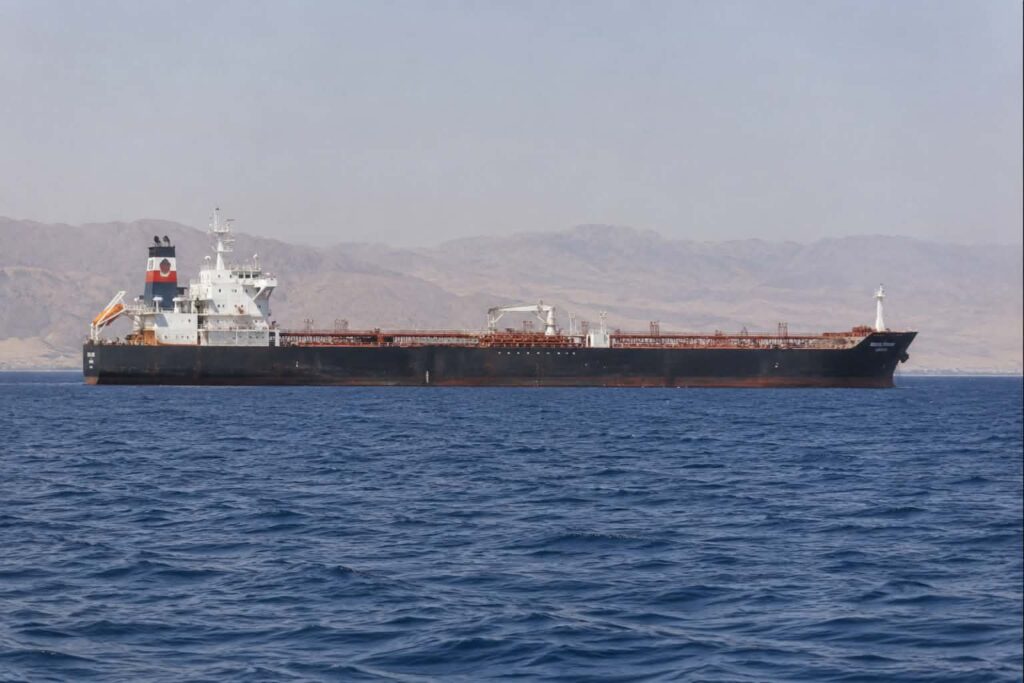
U.S. Central Command said American forces destroyed five Iranian crude-oil tankers after Iranian forces targeted a U.S. Navy vessel with ballistic missiles. The American warship reportedly avoided the attacks, and U.S. officials said no American personnel were injured.
At the same time, Houthi forces backed by Iran have continued attacks in the region, including strikes affecting Saudi energy infrastructure.
Those developments have increased concern among traders that the disruption could spread beyond individual facilities and threaten important transportation routes.
Strait of Hormuz Remains the Critical Pressure Point
At the center of the market concerns is the Strait of Hormuz, one of the world’s most important oil-shipping corridors.
Before the current conflict, roughly one-fifth of the world’s oil supply moved through the waterway. Continued attacks and restrictions have sharply reduced normal shipping activity, leaving traders increasingly sensitive to every new military development in the region.
Reuters reported Wednesday that the conflict has already removed an estimated 10 million barrels per day from the market, while global inventories and spare production capacity have become increasingly important buffers.
The concern is not simply the amount of oil underground. It is whether producers can safely move crude from production sites to refineries and ultimately to consumers.
Rising Fuel Costs Could Spread Through the Economy
Higher crude prices do not stop at the gas station.
Diesel is a critical input for trucking and shipping, while jet fuel prices influence airline operating costs. Higher transportation expenses can eventually filter into food, manufactured goods, construction materials and other consumer products.
Airlines are already dealing with higher jet-fuel costs, with some carriers cutting flights while increasing fares and fees, according to current reporting.
The result is a potential second-round inflation effect: consumers pay more for fuel, businesses face higher transportation costs, and companies may pass some of those additional expenses on to customers.
Oil’s Return Above $100 Raises Fresh Inflation Concerns
The return of triple-digit Brent crude is particularly significant because energy prices can influence broader inflation expectations.
Reuters reported that the move above $100 has intensified concerns that higher energy costs could complicate central-bank decisions over interest rates. Treasury yields also moved higher as financial markets reassessed the inflation outlook.
That creates a difficult environment for households and businesses already dealing with elevated borrowing and operating costs.
If oil remains above $100 for an extended period, the economic effects could become more substantial than those produced by a brief spike.
Analysts Warn the Market Could Become More Volatile
The current price represents a market reacting to uncertainty rather than a guaranteed long-term price level.
Bank of America analysts have warned that continued restrictions on shipping through Hormuz could push crude substantially higher. The bank has also said that severe damage to major energy infrastructure could produce temporary price spikes significantly above current levels.
At the same time, the oil market retains several potential buffers, including alternative transportation routes, existing inventories and production outside the immediate conflict zone.
That means the ultimate direction of prices will depend heavily on how long shipping disruptions last and whether additional energy infrastructure is damaged.
Refining Capacity Adds Another Complication
The global energy problem is also about refining capacity, not just crude production.
Recent market analysis points to refining constraints in several regions, including Russia and China, while U.S. refiners are operating at high utilization rates. Lower refining capacity can make gasoline and diesel markets tighter even when crude supplies remain available elsewhere.
This distinction matters because consumers buy finished fuels rather than barrels of crude oil.
A shortage of refining capacity can therefore keep gasoline and diesel prices elevated even if crude production eventually stabilizes.
What Happens Next?
The next major question for energy markets is whether shipping through the Strait of Hormuz can gradually return toward normal levels.
If traffic recovers, some of the geopolitical premium built into crude prices could begin to disappear. If attacks continue or the waterway becomes even more difficult to navigate, however, traders could face another round of supply concerns.
For now, the return of Brent crude above $100 serves as a clear indication of how quickly geopolitical disruptions can move through global energy markets.
American drivers are already seeing the consequences at the pump, while higher diesel and jet-fuel costs could create broader economic effects if the disruption persists.
With Brent back above the psychologically important $100 threshold and gasoline averaging roughly $4.22 nationally, consumers and investors are watching the Middle East closely for signs of either further escalation or a sustained improvement in the flow of energy supplies.

Benjamin Harris is a RapidReports front page contributor and editor,proud father of four.