Oil Prices Fall as U.S.-Iran Tensions Ease, But Middle East Supply Risks Remain
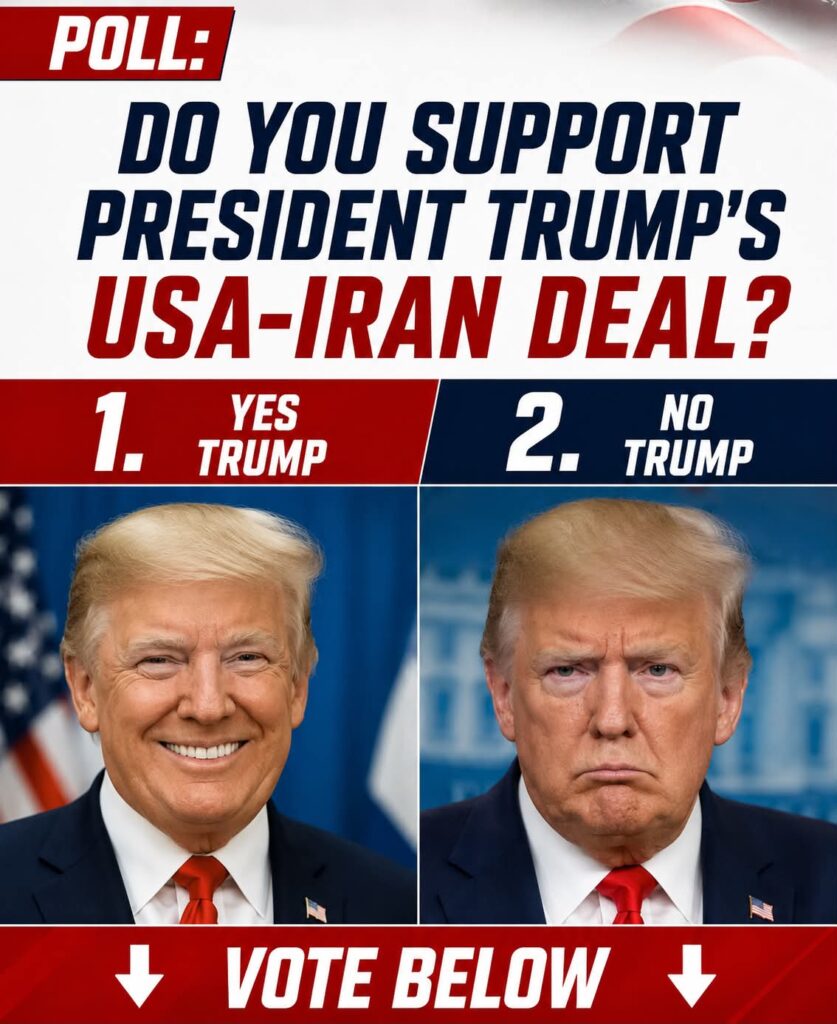
[poll id=”4″]
Global oil prices dropped sharply on Monday after the United States and Iran avoided direct military confrontation for a third consecutive day, increasing market expectations that diplomatic efforts could prevent a larger regional conflict.
The decline came after oil markets experienced a major surge in recent days as investors worried that escalating military exchanges could disrupt global energy supplies.
Although prices have retreated, analysts warn that significant risks remain due to ongoing security concerns across the Middle East.
Brent Crude Drops After Surpassing $100 Per Barrel
Brent crude, the international benchmark for oil prices, fell approximately 6% to around $91 per barrel on Monday.
The decline followed a brief increase above $100 per barrel just days earlier as traders reacted to rising fears of a broader conflict.
U.S. benchmark West Texas Intermediate (WTI) crude also moved lower, dropping about 5.6% to approximately $84 per barrel.
The sudden reversal highlights how quickly energy markets can react to changes in geopolitical risk.
Oil Markets React to Pause in U.S.-Iran Military Escalation
The recent oil price decline followed more than 10 days of military exchanges between the United States and Iran, which caused damage to infrastructure and resulted in the deaths of several American service members.
As tensions increased, investors pushed oil prices higher due to concerns that conflict could threaten major energy production and transportation routes.
However, expectations of a temporary pause in hostilities reduced immediate fears of supply disruptions.
Trump Decision to Delay Major Strike Boosts Market Confidence
President Donald Trump said in an interview with Axios on Thursday that he was considering a “massive strike” against Iran that would be larger than previous operations.
However, reports later indicated that Trump decided not to proceed and ordered U.S. forces to stand down on Friday.
U.S. Ambassador to the United Nations Mike Waltz said Sunday that the decision was made to allow diplomacy “some space.”
The move helped calm financial markets and reduced concerns about an immediate expansion of the conflict.
Middle East Conflict Still Poses Risks for Global Energy Markets
Despite falling oil prices, analysts warn that the energy market remains vulnerable.
The Middle East plays a critical role in global oil supply, and even limited disruptions can create significant price volatility.
Investors continue monitoring:
- Military developments between regional powers
- Oil shipping activity
- Attacks on energy infrastructure
- Security conditions around major trade routes
Houthi Attacks Increase Concerns Over Oil Shipments
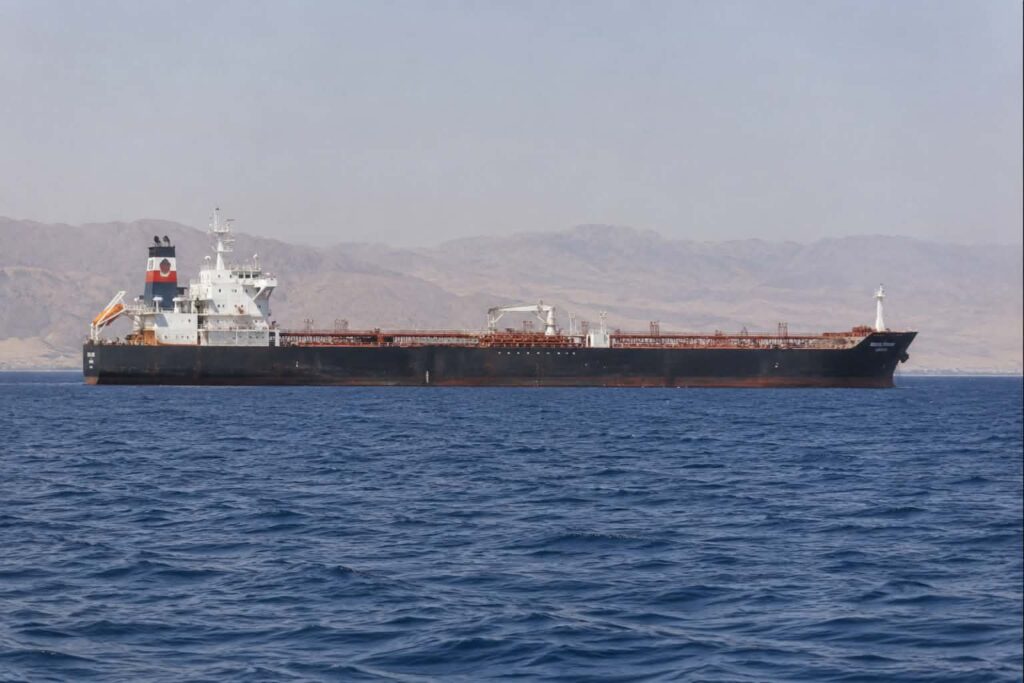
Recent oil market volatility was also linked to attacks by Iran-backed Houthi militants targeting Saudi oil tankers in the Red Sea.
The attacks raised concerns over shipments of approximately 5 million barrels of Saudi crude per day transported through pipelines from the Persian Gulf to the Red Sea.
This alternative route allows some oil exports to bypass the Strait of Hormuz, one of the world’s most important energy transit points.
Shipping Disruptions Continue in Key Middle East Trade Routes
While the reduction in direct U.S.-Iran fighting helped ease oil price pressure, shipping challenges have not disappeared.
According to Clarksons Research, vessel traffic through the Bab el-Mandeb Strait, which connects the Red Sea and Gulf of Aden, remained significantly below normal levels.
Shipping activity reportedly stayed around 50% below the second-quarter average, showing that companies continue to face elevated security concerns.
Strait of Hormuz Remains the Biggest Oil Market Concern
The Strait of Hormuz continues to be one of the most closely watched locations in global energy markets.
The narrow waterway connects the Persian Gulf with international shipping routes and is responsible for transporting a significant portion of the world’s oil supply.
Clarksons Research reported that vessel traffic through the strait remained far below pre-conflict levels over the weekend.
Although oil prices have declined due to hopes for diplomacy, shipping patterns suggest that traders are still pricing in potential risks.
What Lower Oil Prices Mean for Consumers and Markets
A sustained decline in crude prices could eventually reduce pressure on consumers through lower energy costs, including:
- Gasoline prices
- Transportation expenses
- Manufacturing costs
- Inflation pressures
However, analysts say prices could rise again quickly if military tensions return or if shipping disruptions worsen.
Oil Market Outlook: Diplomacy Offers Relief, But Uncertainty Remains
The recent decline in oil prices reflects renewed optimism that diplomatic efforts may prevent a wider Middle East conflict.
However, energy markets remain sensitive to developments involving Iran, Gulf security, and global shipping routes.
For investors, businesses, and consumers, the key question remains whether the current pause represents a lasting reduction in tensions or only a temporary break before further instability.
Trump’s Strategic Pause Crushes Oil Price Surge
President Donald Trump’s decisive choice to stand down from a massive military strike against Iran has delivered immediate relief to global energy markets. After more than ten days of escalating exchanges, Trump ordered U.S. forces to hold fire, giving diplomacy the breathing room it needed. The result? Brent crude plunged roughly 6% to about $91 a barrel and U.S. crude fell 5.6% to around $84—proof that strong, measured leadership under Trump can stabilize prices faster than endless conflict.
America-First Restraint Restores Market Confidence
While previous administrations might have rushed into deeper war, Trump weighed the “massive strike … bigger than ever before” and chose the path that protects American interests and the global economy. Ambassador Mike Waltz confirmed the pause was intentional—to create space for diplomacy. Markets responded instantly, reversing the climb toward $100 oil that threatened families and businesses nationwide. This is classic Trump: prioritize results over endless escalation.
Diplomacy Wins as Shipping Risks Linger—Yet Oil Falls Anyway
Even with lingering Houthi threats and reduced traffic through key chokepoints like the Strait of Hormuz and Bab el-Mandeb, oil prices tumbled on pure hope generated by Trump’s restraint. Clarksons Research data shows shipping volumes still lag, but the mere absence of new U.S.-Iran strikes was enough to ease pressure. Under Trump’s leadership, markets are once again betting on American strength paired with smart diplomacy—not endless war.
This article may contain commentary which reflects the author’s opinion.

Benjamin Harris is a RapidReports front page contributor and editor,proud father of four.