Blog

  • AI Model Makes Stunning Prediction of 2028 Presidential Winner

    AI Model Makes Stunning Prediction of 2028 Presidential Winner

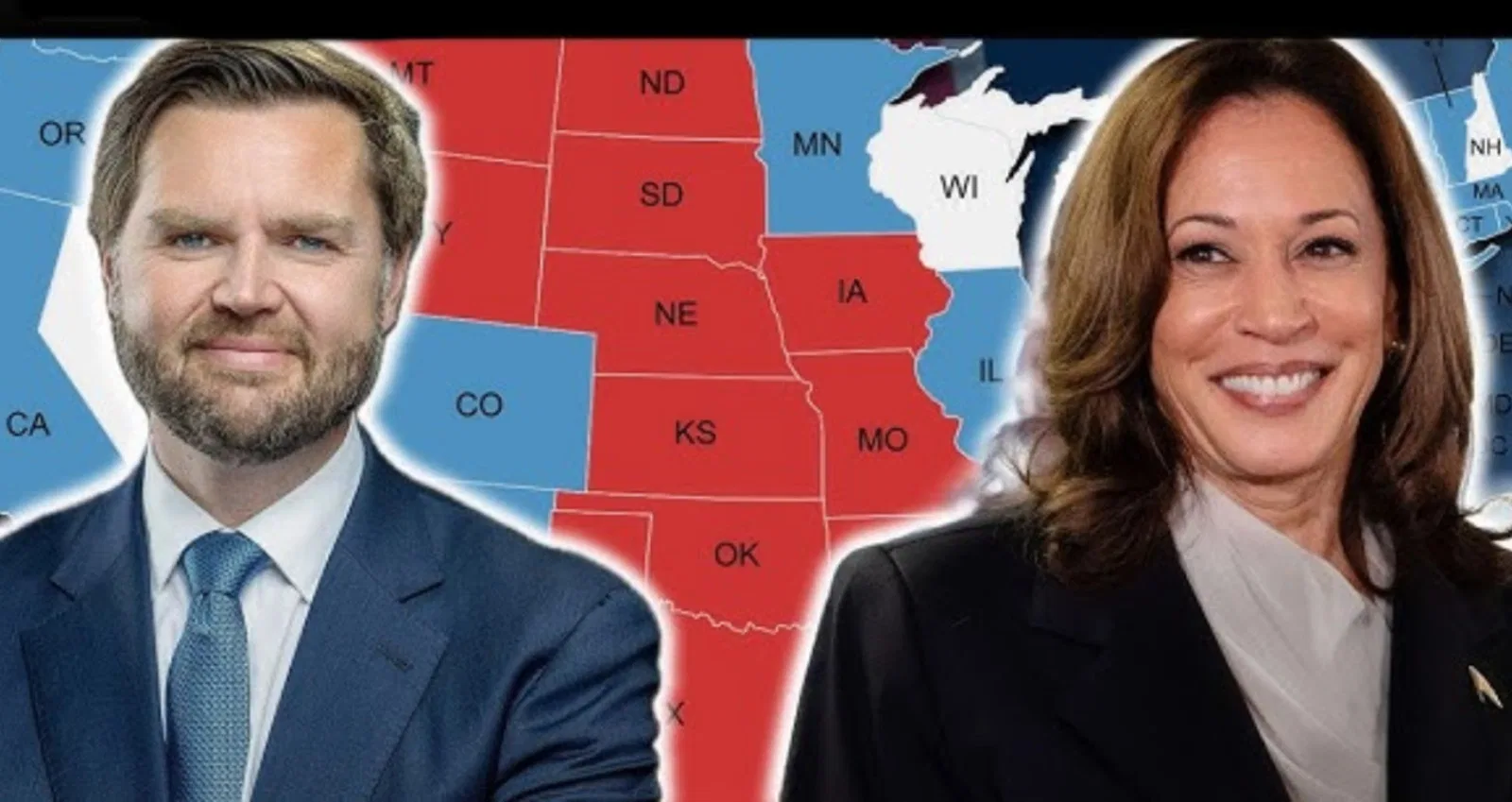
    An AI-generated forecast of the 2028 U.S. presidential election has gained attention online after a simulation produced by Grok—developed by a company linked to Elon Musk—projected a hypothetical outcome based on selected candidates. The model, featured in a YouTube video, created a state-by-state electoral map and vote estimates, though it is important to note that no official candidates for 2028 have been घोषित and such projections are purely speculative.

    In the simulation, JD Vance was projected to win with 312 electoral votes, compared to 212 for Kamala Harris. The model used assumptions about current political trends and hypothetical matchups rather than confirmed campaign dynamics. Analysts generally caution that forecasts this far in advance are highly uncertain and sensitive to changing political conditions.

    The video also referenced early polling and political positioning within both parties. On the Democratic side, Harris was shown leading potential contenders such as Gavin Newsom and Pete Buttigieg. On the Republican side, Vance was depicted as leading figures like Donald Trump Jr., Marco Rubio, and Ron DeSantis in early hypothetical polling scenarios.

    While the simulation outlines possible electoral trends—such as Republican strength in traditionally conservative states and Democratic advantages on the West Coast and in the Northeast—it does not represent an actual forecast. Election outcomes depend on many evolving factors, including candidate decisions, economic conditions, and voter turnout, all of which remain unknown this far ahead of the 2028 race.
  • Trump Scores Big: Iran Sends Massive ‘Present’ Worth Tremendous

    Trump Scores Big: Iran Sends Massive ‘Present’ Worth Tremendous

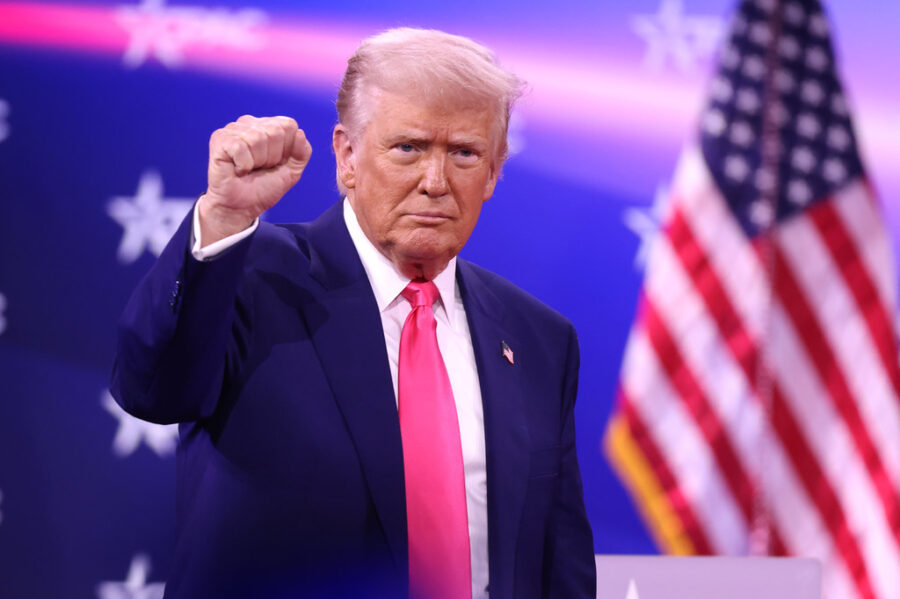
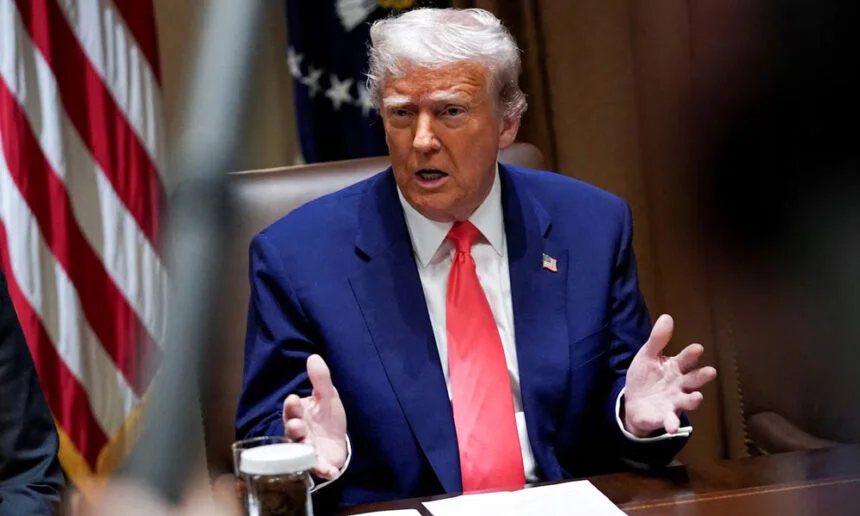
    Donald Trump said that Iran had made a significant concession related to oil and gas, describing it as a “very big” and valuable development. However, he did not provide specific details about the nature of the agreement or arrangement, and no official documentation or independent confirmation has been publicly released.

    Trump characterized the move as a sign of progress in ongoing dealings, suggesting it reflects a willingness by Iranian leadership to engage under current U.S. pressure. Without further clarification, it remains unclear whether the development involves trade terms, sanctions relief, resource access, or another type of agreement.

    There have also been broader market reactions tied to geopolitical developments involving Iran, particularly around energy policy and regional tensions. Oil prices can fluctuate based on expectations of supply changes, diplomatic shifts, or potential conflict, though multiple factors typically influence such movements.

    Given the limited publicly available information, analysts are likely to wait for additional details from official sources before drawing firm conclusions about the scope or significance of the reported development.

  • JUST IN: The Supreme Court BLOCK President Trump in a 6-3 vote !!

    JUST IN: The Supreme Court BLOCK President Trump in a 6-3 vote !!

    In a closely divided decision, the Supreme Court of the United States ruled 6–3 to allow lower court orders blocking Donald Trump from deploying the National Guard to Illinois to remain in effect while legal challenges proceed.

    The majority included Chief Justice John Roberts along with Justices Brett Kavanaugh and Amy Coney Barrett, who joined the Court’s three liberal justices. The alignment represents a notable cross-ideological coalition, though the Court did not release a full written opinion detailing its reasoning.

    By declining to lift the lower court rulings, the decision effectively pauses the administration’s plan to deploy the National Guard in the state. The outcome suggests that a majority of the Court may have concerns about the legal basis for the action, though further proceedings in lower courts are expected to continue shaping the case.

    The ruling has prompted strong reactions across the political spectrum. Supporters of the administration have criticized the decision as an overreach by the judiciary, while others view it as part of the courts’ role in reviewing executive authority. The broader legal questions surrounding federal and state powers, as well as the president’s authority as commander in chief, are likely to remain central as the case moves forward.

  • JUST IN / Cory Booker and President Trump

    JUST IN / Cory Booker and President Trump

    OPINION: This article contain commentary which do not reflects the author’s opinion.

    Cory Booker has been drawing attention for a high-profile protest on the Senate floor, using extended remarks to voice concerns about current political developments. Moments like these are often used by lawmakers to highlight issues they believe require urgent public attention and to rally support for their positions.

    Booker’s remarks focus on his opposition to policies associated with Donald Trump and broader concerns about governance, institutions, and public policy. Public reactions to such statements vary widely, with supporters viewing them as a call for civic engagement, while critics may see them as partisan or overstated.

    References to figures like Elon Musk reflect the wider political and economic debates currently shaping national discourse, particularly around the influence of major business leaders and wealth in policymaking. These discussions often intersect with topics such as regulation, free speech, and the role of private enterprise in public life.

    As with many political messages, the language used reflects a specific viewpoint. Public response depends on individual perspectives, and moments like this typically contribute to ongoing national debates rather than resolving them outright.

  • Trump, GOP Pull Off Brilliant Move After DHS Shutdown Breakthrough

    Trump, GOP Pull Off Brilliant Move After DHS Shutdown Breakthrough

    Donald Trump said he would sign an executive order to ensure that officers with the Transportation Security Administration are paid during the ongoing funding lapse affecting the Department of Homeland Security. The announcement came as airport disruptions and staffing concerns continued to mount after weeks without regular pay for many federal workers.

    Shortly afterward, the U.S. Senate unanimously approved a measure to restore funding for much of DHS, marking a significant step toward ending the 42-day partial shutdown. The agreement funds several core agencies but does not include additional money for U.S. Immigration and Customs Enforcement or parts of U.S. Customs and Border Protection—a key point of contention throughout negotiations.

    Senate Majority Leader John Thune said Republicans had pushed for broader funding and policy changes but ultimately accepted a narrower deal. He argued that Democrats did not secure the reforms they had sought. Meanwhile, Senate Minority Leader Chuck Schumer described the outcome as aligning with Democratic priorities, noting that the agreement excluded certain enforcement funding provisions.

    The legislation now moves to the U.S. House of Representatives, where its future remains uncertain. Some Republicans have expressed concerns about leaving out immigration enforcement funding, while others are looking to address the issue through future legislation, potentially including elements of the SAVE America Act. As lawmakers prepare for a scheduled recess, negotiations are expected to continue over how to resolve remaining differences.

  • JUST IN ! The Senate just voted 52–48, Republicans who sided with Democrats..

    JUST IN ! The Senate just voted 52–48, Republicans who sided with Democrats..

    In a surprising turn of events, the Senate has voted to overturn former President Donald Trump’s 50% tariffs on Brazilian imports. The vote passed narrowly with a 52-48 majority, effectively dismantling one of the key components of Trump’s “America First” trade policy. The move is seen as a significant shift in trade relations, with implications for both American industry and international commerce.

    The tariffs, introduced during Trump’s presidency, were designed to protect American workers and manufacturing by discouraging cheap imports and encouraging domestic production. However, the decision to eliminate them has sparked a heated debate about the future of U.S. trade policy and the balance between protectionism and free-market principles.

    Notably, several Republicans broke ranks with their party’s traditional stance on trade by siding with Democrats in voting to repeal the tariffs. Among those Republicans were Senate Minority Leader Mitch McConnell, Senators Thom Tillis, Rand Paul, Lisa Murkowski, and Susan Collins. Their votes have drawn significant criticism from conservatives who argue that the tariffs were instrumental in boosting American jobs and industries.

    The vote, however, is not the final word on the matter. The measure still has to pass through the House of Representatives, where its fate remains uncertain. Given the political landscape, it is unlikely to gain the support necessary to clear the House and become law, though the outcome is still in play.

    Former President Trump’s supporters argue that the tariffs were a cornerstone of his administration’s efforts to reduce the U.S. trade deficit and promote American-made goods. They point to the jobs created in industries like steel and manufacturing as a direct result of the tariff policy, which aimed to level the playing field for American companies facing stiff competition from abroad.

    Critics of the tariffs, however, contend that they led to higher prices for American consumers and disrupted supply chains. The decision to overturn them is seen as a move to restore trade relationships with Brazil and other countries, which were strained under Trump’s aggressive tariff policies. Some view this as a step toward a more globalist approach to trade.

    As the debate continues to unfold, many are questioning whether Washington’s globalist factions are seeking to undo the economic gains made during Trump’s tenure. The controversy surrounding these tariffs reflects the deep divides within U.S. politics over how best to navigate the complex world of international trade and American industry.

  • Republican Wins Special Election As Dems Fall Short After Massive Efforts

    Republican Wins Special Election As Dems Fall Short After Massive Efforts

    Republican candidate Hilary Holley won the special election for Florida House District 51, defeating Democrat Edwin Pérez and keeping the seat under Republican control. With nearly all precincts reporting, Holley secured about 55% of the vote. The outcome means Democrats were unable to gain a seat they had hoped to flip during a midterm election cycle.

    Holley will succeed term-limited Republican Josie Tomkow in the Polk County-based district, which includes communities such as Davenport, Haines City, and Auburndale. While her margin of victory was slightly smaller than Tomkow’s previous win, the district continues to lean Republican. Voter registration figures also reflect this advantage, with a higher percentage of registered Republicans compared to Democrats, along with a significant share of unaffiliated voters.

    Throughout the campaign, Holley maintained a strong fundraising lead, raising substantially more than her opponent with support from Republican organizations. She also received endorsements from several prominent figures, including Denise Grimsley and Wilton Simpson. Professionally, Holley serves as Executive Director of the Florida FFA Foundation, where she oversees programs supporting tens of thousands of students. Pérez, a community advocate, focused his campaign on local economic concerns such as affordability, insurance costs, and school funding challenges.

    At the national level, election policy remains a topic of debate. Hakeem Jeffries recently raised concerns about the proposed SAVE America Act, which would introduce new voter registration and identification requirements. Supporters, including Chip Roy and Mike Lee, say the measure is intended to strengthen election security. Critics, however, argue it could create barriers for some voters. The House of Representatives is expected to consider the legislation in the near future.

  • Heidi Klum’s 20-year-old son turns heads with uncanny resemblance to his dad

    Heidi Klum’s 20-year-old son turns heads with uncanny resemblance to his dad

    Heidi Klum drew intense attention when she stepped onto the red carpet alongside a tall, striking companion. The unexpected pairing quickly sparked online speculation, with many assuming she had quietly introduced a younger partner. Cameras flashed, social media buzzed, and theories spread within moments as viewers tried to make sense of the surprising appearance.

    However, the reality behind the moment was far more personal and meaningful. The man at her side was not a romantic partner, but her eldest son, Henry Samuel. The reveal shifted the conversation entirely, turning initial confusion into admiration as audiences recognized the family resemblance and the significance of the moment.

    The event, held for the premiere of Project Hail Mary, marked a notable public step for Henry. Once known as the reserved child of two globally recognized figures, he appeared confident and composed, presenting himself with a clear sense of identity. His choice of a beige suit paired with a sheer patterned shirt reflected a willingness to stand out rather than remain in the background.

    As attention settled, it became clear that Henry’s appearance represented more than a viral misunderstanding. With growing involvement in fashion events and editorial features, he is beginning to establish his own presence. Rather than being defined solely by his parents, he is gradually shaping a path that reflects his individuality and ambitions.

  • Dems Reject Schumer, Join Republicans To Give Trump Another Win

    Dems Reject Schumer, Join Republicans To Give Trump Another Win

    More than a dozen Democratic senators joined Republicans in confirming David Perdue as ambassador to China, underscoring bipartisan support for a key diplomatic position. The role is considered especially important given ongoing economic and security relations with China. The confirmation also reflects continued influence from Donald Trump in shaping his administration’s international agenda.

    Meanwhile, political tensions in Washington remain high following a lengthy government shutdown. Chuck Schumer has faced criticism from some quarters over how the situation was handled, particularly after negotiations concluded without clear policy concessions. The debate has added to broader discussions about leadership, strategy, and priorities within Congress.

    Recent voter feedback from focus groups in Georgia highlights a range of perspectives on the shutdown and its aftermath. Some participants expressed disappointment with how Democrats managed the situation, while others criticized both parties or pointed to larger concerns such as rising costs and economic uncertainty. These reactions illustrate how different voters are processing current events.

    Although focus group findings are limited in scope, they can offer a snapshot of public sentiment. Participants shared varying opinions on political leadership, economic challenges, and policy direction. As national debates continue, both parties are likely to face ongoing evaluation from voters considering their performance and future plans.

  • NEW: Iranian Navy Chief Who Closed Strait Of Hormuz Eliminated In Airstrike

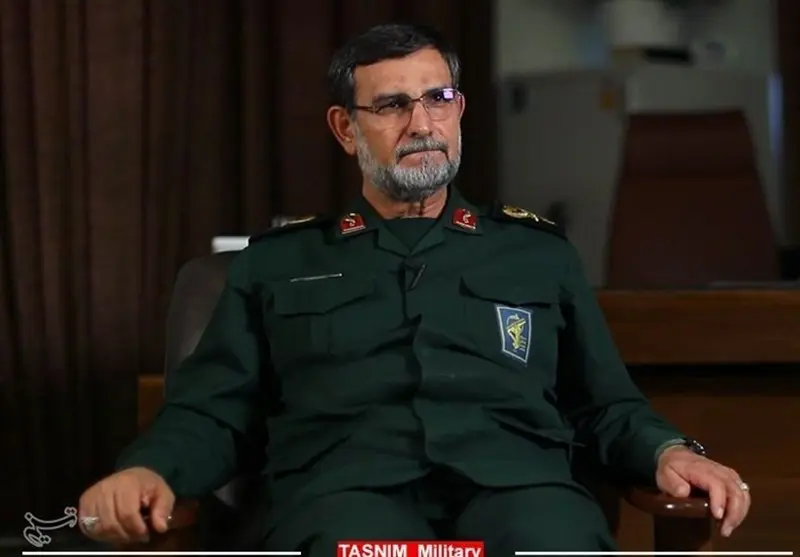
    Israel carried out a targeted strike that killed Alireza Tangsiri, a senior Iranian military figure linked to recent tensions in the region. The strike reportedly took place in Bandar Abbas, a key location near the Strait of Hormuz. Israeli officials said the operation was aimed at disrupting strategic military leadership tied to maritime activity.

    Tangsiri had been associated with decisions affecting the Strait of Hormuz, a vital global shipping route through which a significant portion of the world’s oil supply passes. His role in Iran’s naval operations made him a prominent figure in ongoing regional developments. His death is part of a broader pattern of high-level losses within Iran’s leadership during the current conflict.

    Alireza Tangsiri, the head of the Islamic Revolutionary Guard Corps Navy (Tasnim New)

    Following the strike, Iranian officials signaled the possibility of further escalation, including potential disruptions to other major waterways such as Bab al-Mandeb Strait. This route is another critical corridor for global trade and energy transport, and any instability there could have widespread economic implications.

    The developments come amid continued military activity and heightened rhetoric from multiple sides. Donald Trump recently referenced large-scale operations targeting key Iranian infrastructure, underscoring the intensity of the situation. As tensions remain elevated, analysts continue to watch for signs of either further escalation or renewed diplomatic efforts.