Red-State Democrats Tell Kamala Harris to Stay Away as Midterm Races Heat Up
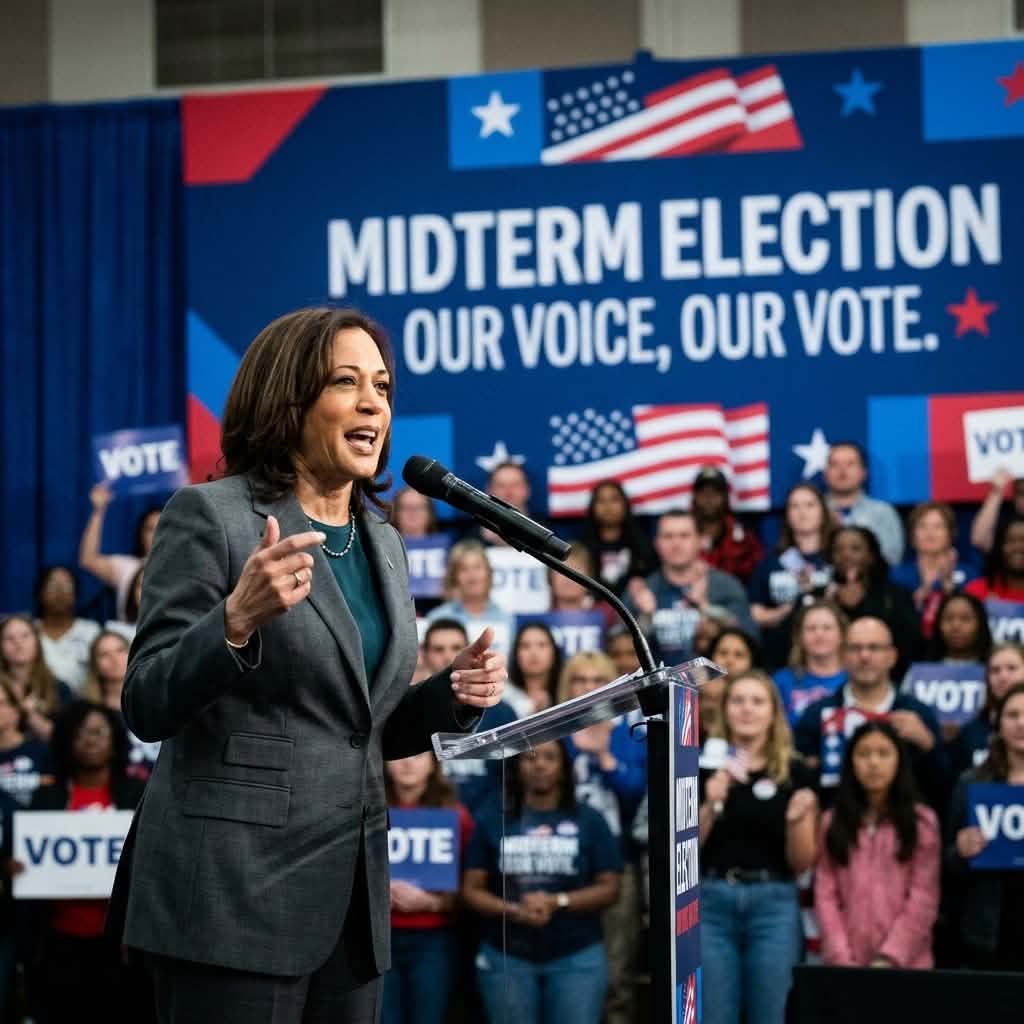
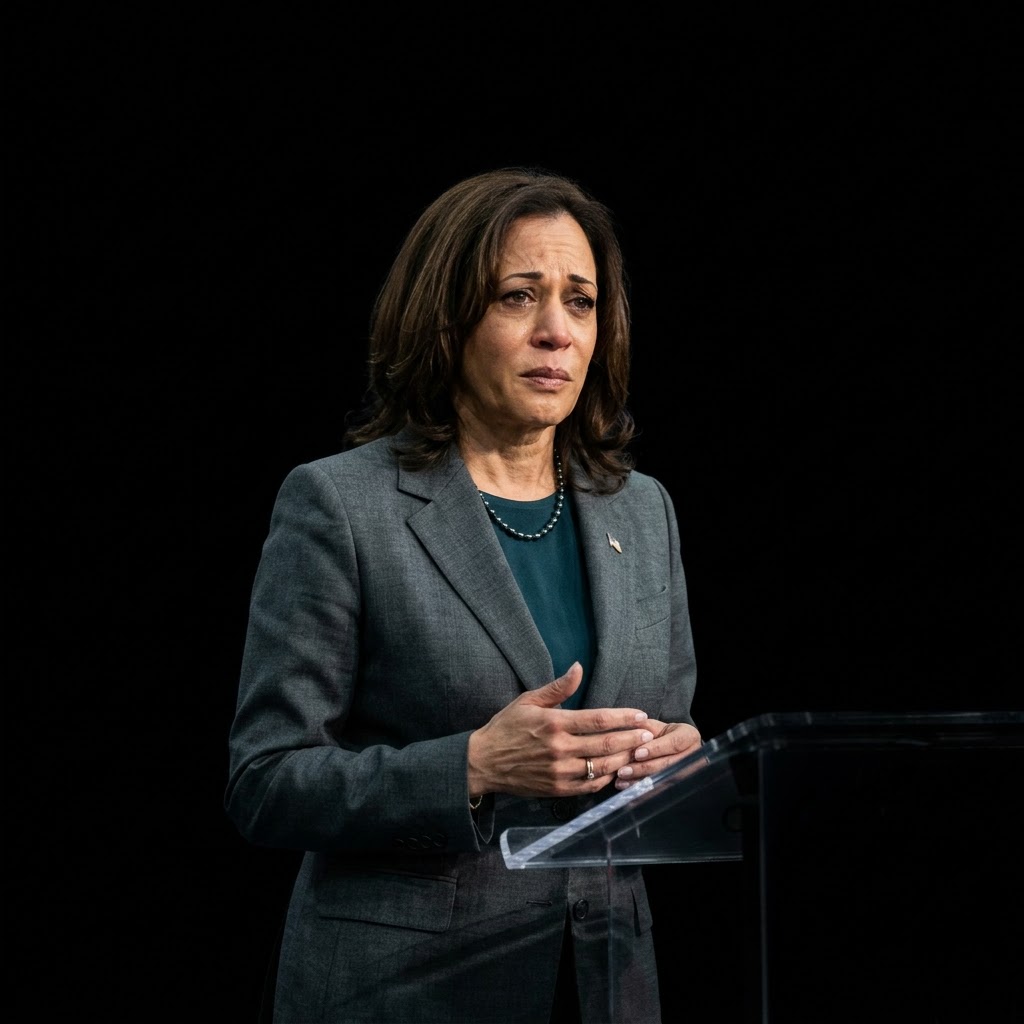
Former Vice President Kamala Harris is facing an unexpected political dilemma as Democrats prepare for the 2026 midterm elections: some of the party’s candidates in deeply Republican states would rather she stay off their campaign trails.
With November’s elections approaching, Democratic candidates in conservative areas are making difficult calculations about which national figures can help them attract independent and Republican-leaning voters — and which could make that task more difficult.
Several prominent Democrats running in red states have indicated that they do not want Harris campaigning alongside them, highlighting the complicated political landscape facing a party determined to regain congressional power.
Some Democrats Are Sending a Clear Message
In Iowa, Democratic Senate nominee Josh Turek was asked whether he wanted Harris to campaign for him.
His answer was direct: no.
Iowa gubernatorial candidate Rob Sand has similarly said he would not want Harris or former President Joe Biden campaigning on his behalf. Sand has also argued that Democrats should look toward new leadership rather than returning to the political figures associated with the 2024 presidential campaign.
The developments underscore how differently Democratic candidates can view the value of national party figures depending on where they are running.
In heavily Democratic states, association with a former Democratic presidential nominee may be an asset. In conservative states that backed Donald Trump, however, candidates may fear that such an association could make it harder to win over moderate voters.
Alaska Democrat Also Distances Herself
Alaska Senate candidate Mary Peltola has also taken steps to emphasize her independence from national Democratic figures.
After a Harris-aligned political action committee promoted Peltola in a fundraising email, her campaign stressed that she was not seeking endorsements from politicians outside Alaska.
“Mary isn’t seeking endorsements from anyone from the Lower 48 — her focus is and always will be Alaska,” the campaign said, according to ABC News.
The response reflects the delicate balance facing Democrats who are trying to compete in states where Republican candidates have a strong political advantage.
Harris Responds to the Pushback
Harris was asked directly about the reports during an interview Thursday.
Rather than criticizing candidates who prefer to keep their distance, she said the overriding objective should be winning the elections.
“Listen, Peter, we need to win,” Harris said when questioned about the reports.
She added that candidates understand their own electorates and should do what they believe is necessary to succeed.
“I look forward to being on the trail and helping folks where I can be helpful,” Harris said.
Harris also argued that Democrats need to regain political power in Washington and emphasized issues including the cost of living, health care and child care.
Harris Says She Is Focused on 2026
The former vice president was also asked about whether she might seek the Democratic presidential nomination in 2028.
Harris declined to make that the focus of the conversation, saying she is concentrating on the upcoming midterm elections.
“’28 doesn’t matter if we don’t win ’26,” she said.
That response leaves open questions about her long-term political plans while making clear that she intends to remain involved in the current election cycle.
Why Are Red-State Democrats Keeping Their Distance?
The issue comes down largely to electoral strategy.
Candidates running in conservative states often need to appeal to voters who may support Republicans in presidential elections but are willing to consider Democratic candidates in statewide or congressional contests.
For those campaigns, being closely associated with national Democratic politics can carry risks.
The 2024 presidential election remains particularly relevant because Harris was the Democratic nominee who lost to Trump. Some candidates appear to believe that voters in their states are more receptive to candidates who emphasize local concerns and distance themselves from Washington politics.
Democratic strategist James Carville has described the party as ready to move beyond the 2024 election and its aftermath.
Not Every Democrat Wants Harris on the Sidelines
The picture is far from universal.
Some Democratic candidates continue to welcome support from Harris and other prominent national figures.
Dan Koh, a former Biden White House aide running for Congress in Massachusetts, told ABC News that he had sought endorsements from both Biden and Harris.
Another Democratic candidate, Chris Jones in Arkansas, has received Harris’ endorsement along with support from several other nationally prominent Democrats.
That contrast demonstrates why the political value of a national endorsement can vary dramatically from one district or state to another.
Candidates Are Building Their Own Political Brands
For Democrats competing in Republican-leaning territory, establishing an independent identity can be crucial.
Instead of focusing exclusively on national political battles, candidates are increasingly emphasizing issues such as affordability, health care, jobs, public safety and local economic concerns.
Some are also highlighting relationships with voters across party lines in an effort to demonstrate that they can appeal beyond the traditional Democratic base.
Wisconsin Democrat Rebecca Cooke, for example, has said she does not need national figures to campaign with her and has emphasized her own relationships with voters.
The Senate Majority Is at Stake
The stakes for Democrats are substantial.
The party is looking to make gains in the Senate and House during the 2026 midterms, while Republicans are working to defend their congressional majorities.
That means even races in states that normally lean strongly Republican can become important if Democrats see an opportunity to compete.
But winning those contests may require candidates to develop campaign strategies that differ significantly from the national party’s messaging.
Could This Affect the Democratic Party’s Future?
The debate over Harris’ role extends beyond the 2026 elections.
If candidates who distance themselves from Harris perform well in November, other Democrats could view that as evidence that a more independent or centrist approach is politically effective in competitive states.
That could influence the conversation surrounding the Democratic Party’s next generation of leaders and potentially shape the early 2028 presidential field.
Several Democrats already viewed as potential 2028 contenders have been making efforts to appeal to voters outside traditional Democratic strongholds.
Harris Still Has a Role to Play
Despite the pushback from some candidates, Harris remains an influential figure within Democratic politics.
She has experience running for local, statewide and national office and retains a national political network.
Her response to the controversy suggests that she does not intend to disappear from the campaign landscape simply because certain candidates prefer to operate without her.
Instead, she says she will allow individual campaigns to determine how much involvement they want from her.
A Strategic Test for Democrats
The disagreement over Harris’ involvement illustrates a broader challenge for Democrats heading into the midterms.
The party needs to energize its base while also winning over independents and voters who have supported Republicans in recent elections.
Those goals can sometimes pull campaigns in different directions.
For Democrats in deep-red states, the calculation may be especially difficult: national party figures can provide fundraising, visibility and organizational support, but candidates may also worry about being tied too closely to unpopular national political brands.
The Midterm Campaign Is Just Beginning
With the 2026 midterm elections approaching, Democrats will continue testing different campaign strategies across the country.
Some candidates are embracing national endorsements, while others are emphasizing independence.
For Harris, the message is that she remains ready to campaign where she believes she can help.
For candidates in conservative states, however, the decision may ultimately come down to a simple question: Will a national Democratic figure help them win over undecided voters — or make the race harder?
That calculation could become one of the defining strategic questions of the 2026 midterm campaign.
Benjamin Harris is a RapidReports front page contributor and editor,proud father of four.