Wall Street Surges as Trump Calls Off Iran Strikes
[poll id=”4″]
Wall Street opened August with a powerful broad-based rally Monday after President Donald Trump announced he had scrapped planned military strikes against Iran. The decision immediately eased fears of a wider Middle East conflict and sent oil prices sharply lower, giving investors a clear reason to buy.
Stocks climbed across all three major indexes as markets welcomed signs that Washington and Tehran would return to the negotiating table rather than escalate further. Trump’s Sunday announcement marked a dramatic shift after reports late last week suggested the White House was preparing another round of military action.
Major Indexes Post Strong Gains
The Dow Jones Industrial Average jumped 643 points, or 1.2%, in early trading. The S&P 500 rose 1.1%, while the tech-heavy Nasdaq Composite gained 1.5%. Technology stocks helped lead the advance, with communications services and software companies posting solid gains. Meta surged more than 6% as investors piled back into growth names.
The positive reaction reflected relief that an immediate military confrontation had been taken off the table, at least for now, while diplomatic channels reopened.
Oil Prices Plunge on Reduced War Risk
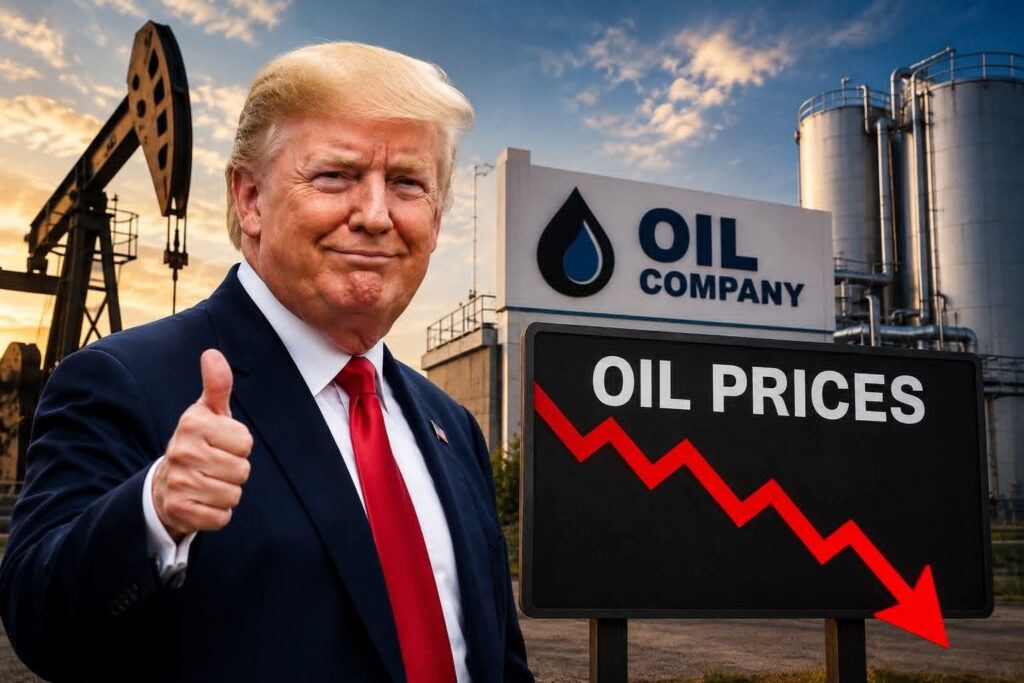
Oil prices, which had climbed sharply on fears of a broader regional war, reversed course after Trump’s decision. Brent crude futures fell nearly 6% to $83.03 a barrel, while West Texas Intermediate crude dropped more than 7% to $78.59 a barrel.
Lower energy prices also helped calm inflation concerns. The benchmark 10-year Treasury yield slipped about 7 basis points to roughly 4.67% as bond prices rose. For American consumers and businesses, the drop in oil offers welcome relief after weeks of geopolitical-driven volatility.
Trump’s Decision Reflects Strength and Flexibility
President Trump’s move demonstrated the combination of credible military pressure and diplomatic flexibility that has defined his approach. By keeping the option of force available and then choosing to pause, he forced a return to talks while avoiding an immediate escalation that could have disrupted global energy markets and American interests.
Markets responded positively because the decision reduced near-term risk without signaling weakness. Talks were set to resume Monday, giving both sides a chance to pursue a negotiated path under the shadow of continued U.S. resolve.
Analysts Urge Caution Despite the Rally
Some market observers warned that geopolitical tensions have not disappeared. “Investors are keeping their enthusiasm in check as ‘we’ve been here before’ and it’s likely the conflict has further to go before reaching a resolution (if it ever does),” wrote Vital Knowledge founder Adam Crisafulli.
That measured view acknowledges the reality of dealing with Iran, yet it does not diminish the immediate market impact of Trump’s decision to step back from strikes and reopen dialogue.
Focus Shifts to Labor Data This Week
The strong start to August follows a volatile July and sets up another important week for investors. Attention now turns to a series of labor market reports that will culminate Friday with the July nonfarm payrolls report and unemployment rate.
Economists expect the U.S. economy added 87,500 jobs in July, up from 57,000 the previous month, according to FactSet consensus estimates. The unemployment rate is projected to edge up slightly to 4.3% from 4.2%. Those numbers will help shape expectations for monetary policy and the broader economic outlook.
Markets Reward Decisive Leadership
Monday’s rally showed that investors respond to clarity and the reduction of unnecessary escalation risk. By calling off planned strikes and returning to negotiations, President Trump delivered a decision that stabilized energy prices, boosted equities, and reminded markets that American leadership can still shape global outcomes.
The coming days will test whether the renewed talks produce lasting progress. For now, Wall Street has given a clear verdict: Trump’s choice to prioritize measured strength over immediate military action was received as a net positive for markets and the American economy.

Benjamin Harris is a RapidReports front page contributor and editor,proud father of four.