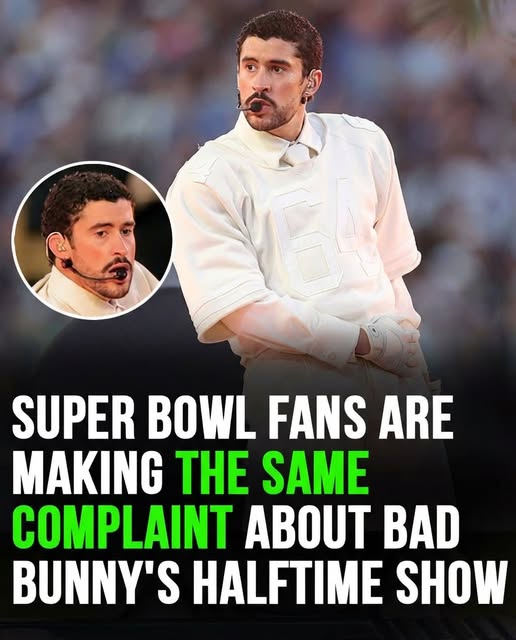
Bad Bunny’s halftime show at Super Bowl LX delivered exactly what many expected—high energy, bold visuals, and a stadium buzzing with excitement. With the spotlight brighter than ever, his performance drew intense attention from fans and critics alike, making it one of the most talked-about moments of the night. From the opening beats to the final notes, the show made it clear that the global superstar wasn’t aiming for subtlety, but for a statement that matched the scale of the event.
Leading up to kickoff, debate had already been swirling about the NFL’s decision to hand the halftime stage to Bad Bunny, especially after past controversies and vocal criticism from some political groups. Despite that noise, the artist’s popularity is undeniable. With sold-out stadium tours and worldwide chart success, his presence alone guaranteed attention. That attention only grew when Lady Gaga appeared during the set, sending the crowd at Levi’s Stadium into a frenzy and cementing the performance as a headline moment.
Yet while the live audience roared, a familiar complaint quickly surfaced online. A number of viewers focused less on the spectacle and more on the language of the performance, noting that much of the set was delivered in Spanish. Social media filled with comments from viewers who said they struggled to follow along, joking about subtitles or questioning whether a Super Bowl halftime show should cater more directly to English-speaking audiences. The same criticism appeared again and again as the show unfolded.
At the same time, many fans pushed back, pointing out that the Super Bowl reaches a global audience and that music doesn’t require translation to be enjoyed. Supporters praised the performance as a celebration of diversity and modern pop culture, arguing that the halftime show reflected the reality of today’s music landscape. Love it or not, Bad Bunny’s appearance ensured one thing: long after the final whistle, his halftime show would remain one of the most debated moments of Super Bowl LX.