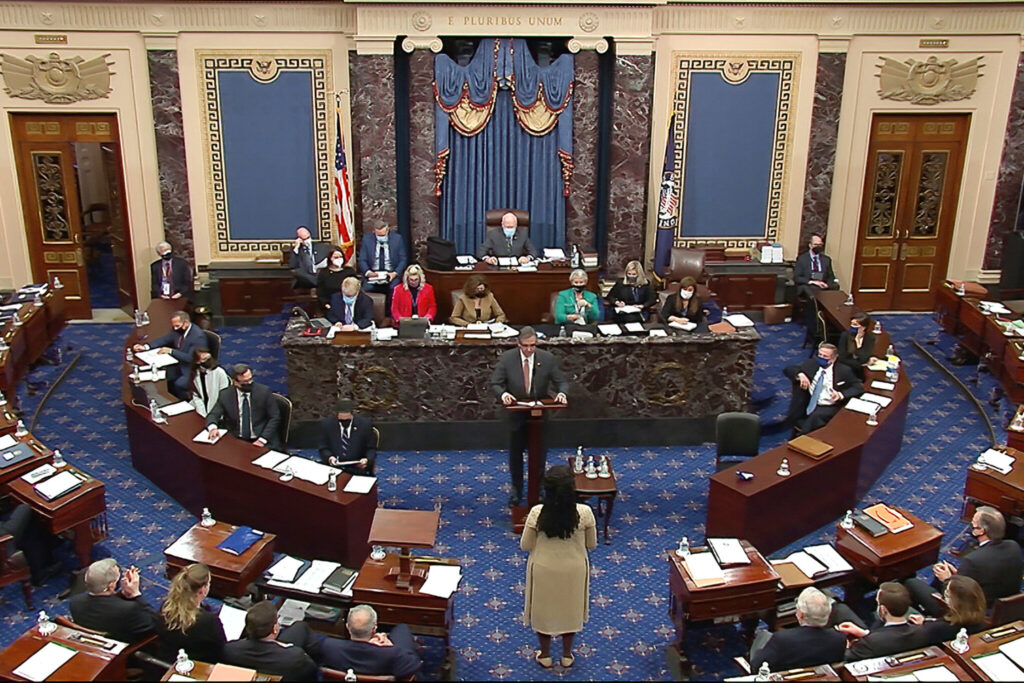
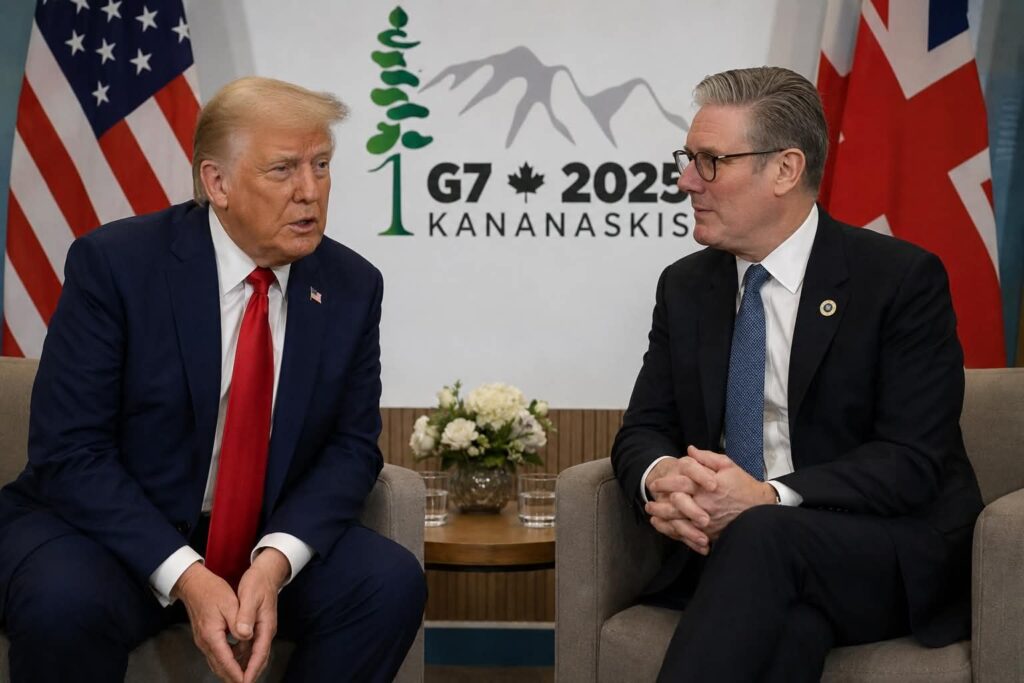
President Donald Trump arrived at the G7 Summit this week with global leaders focused on one major question: what comes next after his administration’s newly announced diplomatic framework with Iran?
While European leaders initially planned to focus discussions on Ukraine, trade, migration, and economic challenges, much of the summit’s attention quickly shifted toward President Trump’s latest foreign policy achievement and its potential impact on global stability, energy markets, and international security.
Appearing on Fox 5 New York’s Good Day New York, Jeffries argued that tensions in the Middle East had contributed to higher energy costs and increased financial pressure on American families. However, the hosts challenged the claim, pointing out that Americans endured some of the highest gas prices and grocery costs in decades during previous Democratic administrations.
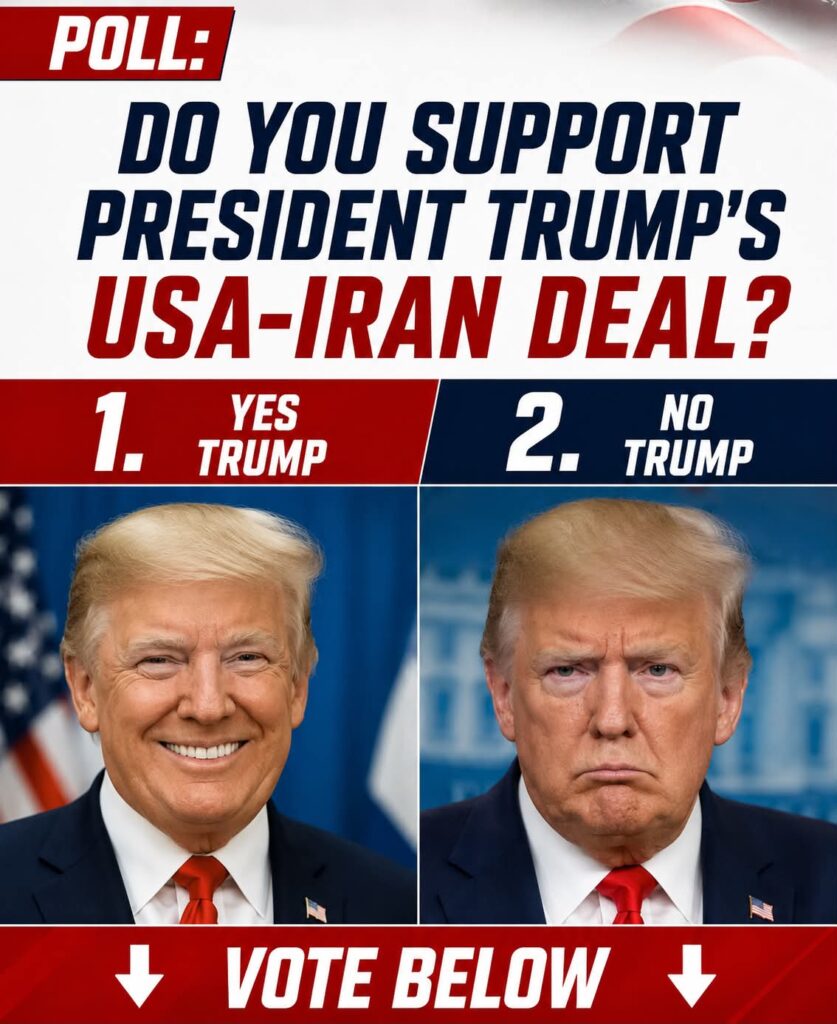
[poll id=”4″]
The Trump administration confirmed that both President Trump and Vice President JD Vance electronically signed a memorandum of understanding with Iran, marking the first step toward what officials describe as a broader peace and security agreement aimed at reducing tensions in the Middle East.
According to administration officials, the framework requires Iran to meet strict conditions before receiving any economic benefits. Vice President Vance emphasized that American taxpayers would not be funding the agreement and rejected reports suggesting that the deal includes direct cash payments to Tehran.
“We’ll be releasing the full text soon,” Vance said. “What Americans will see is that Iran doesn’t receive economic benefits unless it fully complies with its obligations.”
Administration officials say those obligations include abandoning nuclear weapons ambitions, addressing enriched uranium stockpiles, and accepting extensive international verification measures designed to ensure long-term compliance.
The announcement has already generated significant interest among investors and energy analysts. Financial markets reacted positively after officials indicated that the Strait of Hormuz could fully reopen following the final signing ceremony expected later this week in Geneva.
The strategic waterway handles a substantial portion of global oil shipments, making its reopening a major development for energy markets. Oil prices have fallen sharply from recent highs, while investors have welcomed signs of reduced geopolitical risk and improved global supply stability.
European leaders acknowledged the significance of the potential agreement. British Prime Minister Keir Starmer noted that disruptions involving the Strait of Hormuz had affected economies worldwide and emphasized the importance of restoring stability to international energy markets.
At the summit, President Trump also held separate discussions with key world leaders regarding ongoing global conflicts and economic cooperation. Observers noted that many of the highest-profile meetings centered on American diplomatic initiatives, reinforcing the United States’ central role in shaping international policy.
Supporters of the administration argue that the framework demonstrates President Trump’s long-standing approach of combining economic leverage, military strength, and direct negotiations to pursue foreign policy objectives. Critics remain cautious, pointing out that significant details still need to be finalized during upcoming negotiations.
For now, world leaders, investors, and energy markets are closely watching the next phase of talks. If finalized, the agreement could reshape Middle East diplomacy, strengthen global energy security, and become one of the most consequential international agreements of President Trump’s second term.
Benjamin Harris is a RapidReports front page contributor and editor,proud father of four.