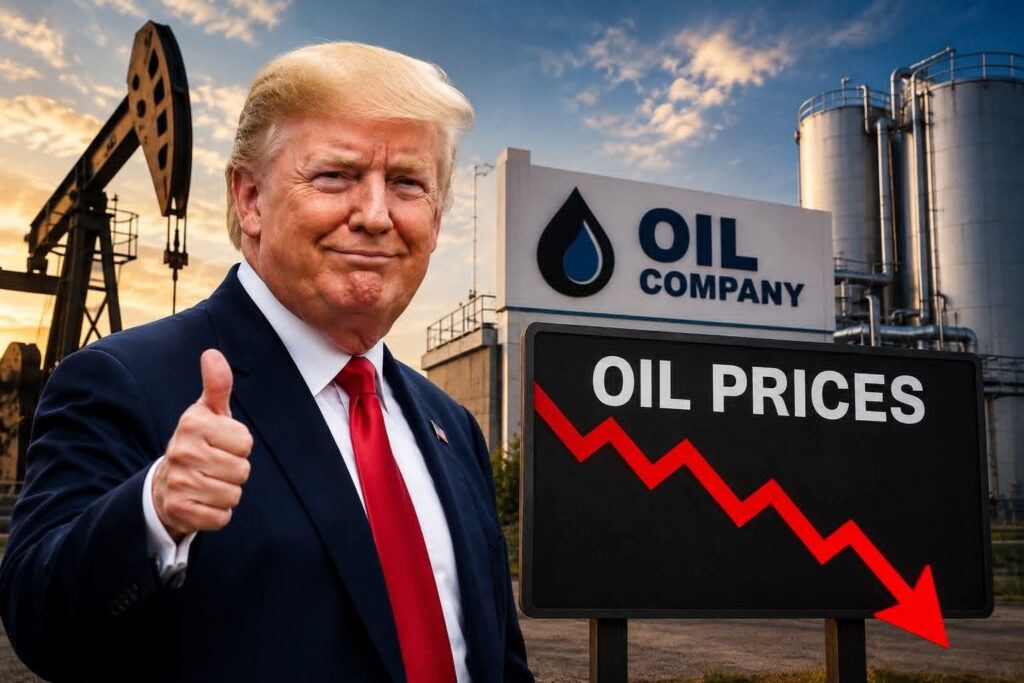
President Donald Trump / Rapid Reports Image
How Trump’s Diplomatic Strategy May Help Prevent an Oil Price Shock
The Trump administration has taken a bold step aimed at protecting American consumers and stabilizing global energy markets by temporarily authorizing the production, delivery, and sale of Iranian oil under a new 60-day license.

[poll id=”2″]
Treasury Secretary Scott Bessent announced the measure Monday as negotiations between the United States and Iran continue toward what officials hope will become a long-term peace agreement. The temporary authorization, which runs through August 21, eases restrictions on Iranian crude oil, petrochemical products, and related petroleum exports.
According to Bessent, the decision is tied directly to progress made during ongoing diplomatic discussions.
“In line with the ongoing productive talks in Switzerland, Iran has committed to free and open transit in the Strait of Hormuz and to permit International Atomic Energy Agency (IAEA) inspectors into their country,” Bessent stated.
The move highlights President Donald Trump’s long-standing approach of combining economic leverage with strategic diplomacy. Rather than allowing tensions to escalate into a larger regional crisis, the administration is using negotiations to secure commitments that could help maintain stability in one of the world’s most critical energy corridors.
The Strait of Hormuz remains a vital shipping route for global oil supplies. Any disruption in the region can trigger significant spikes in energy costs, affecting businesses, consumers, and financial markets worldwide. By securing commitments related to freedom of navigation, the Trump administration is working to reduce the risk of supply disruptions and market volatility.
Vice President JD Vance also emphasized that a key objective of the Switzerland talks was creating mechanisms to keep the Strait of Hormuz open and prevent shipping disputes from escalating into broader conflict.
The temporary license includes safeguards. Individuals and entities located in North Korea, Cuba, and the Crimea region of Ukraine remain prohibited from purchasing Iranian oil or benefiting from related transactions.
Supporters of the administration view the policy as another example of President Trump prioritizing economic security while pursuing practical diplomatic solutions. Instead of relying solely on sanctions or military pressure, the administration is attempting to use American influence to secure measurable concessions while protecting global energy supplies.
Why This Matters for Americans
For millions of Americans, the most important question is simple: will this help lower gas prices?
If energy markets remain stable and oil continues flowing through the Strait of Hormuz without disruption, pressure on global crude prices could ease. Lower energy costs can benefit households, businesses, transportation companies, and manufacturers across the United States.
Editorial Opinion
President Trump deserves credit for pursuing a results-oriented strategy that focuses on protecting American economic interests. By combining strong negotiating leverage with diplomatic engagement, the administration is seeking to prevent an energy crisis that could hurt working families and businesses.
While critics may debate the specifics of the policy, the broader objective is clear: maintain stability, keep global trade routes open, and reduce the risk of sudden price spikes that impact consumers. If the agreement succeeds in preserving energy flows and lowering fuel costs, it could become a significant economic win for both the administration and American drivers.
As negotiations continue, investors, energy markets, and consumers will be watching closely to see whether this diplomatic breakthrough translates into lasting stability and lower costs at the pump.
This article may contain commentary which reflects the author’s opinion.
Benjamin Harris is a RapidReports front page contributor and editor,proud father of four.