Trump Signals Strength on Iran as U.S. Military Launches Precision Strikes Against Strategic Targets
President Donald Trump demonstrated his administration’s commitment to a “peace through strength” foreign policy approach after U.S. forces carried out a series of precision military strikes against Iranian military infrastructure following escalating tensions in the region.
NEW: Trump Gives Iran A Final Ultimatum As Ceasefire Collapses
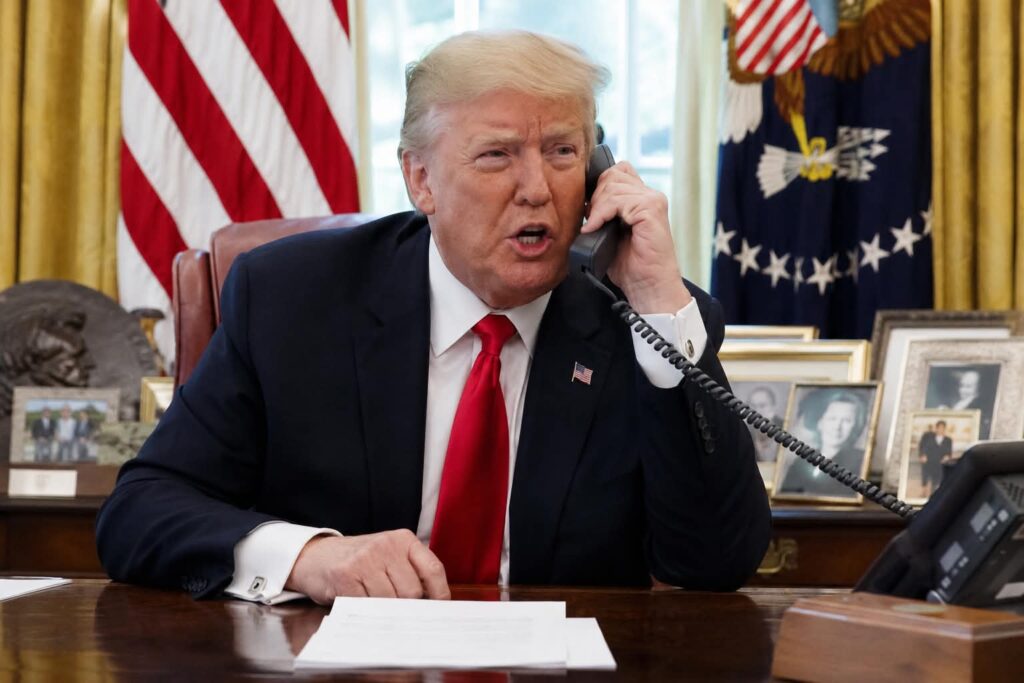
According to Fox News correspondent Trey Yingst, Trump personally informed him of the developing operation during a phone call from the White House Situation Room shortly before American forces launched the mission.
The strikes were later confirmed by U.S. Central Command (CENTCOM), which described the operation as a targeted response to ongoing threats against American personnel, military assets, and international shipping routes.
Trump Emphasizes Strength While Keeping Door Open to Diplomacy
In public statements following the operation, President Trump made clear that his administration remains committed to protecting U.S. interests while pursuing diplomatic solutions whenever possible.
Trump criticized Iran’s leadership for failing to reach an agreement during negotiations and warned that continued hostility would carry consequences.
The president has repeatedly argued that diplomacy is most effective when backed by credible military deterrence, a strategy that has become a defining feature of his national security doctrine.
Supporters say the approach sends a clear message that the United States remains willing to negotiate but will also respond decisively to threats against American interests.
Precision Operation Targets Military Infrastructure
According to CENTCOM, U.S. forces launched a series of carefully planned strikes against military facilities associated with surveillance systems, communications networks, radar installations, and air defense capabilities.
Military officials stated that the operation was designed to reduce threats to American personnel and maintain stability in critical international shipping corridors.
Defense analysts note that the administration’s focus on precision targeting reflects an effort to achieve strategic objectives while minimizing broader regional risks.
Approximately two hours after the operation began, military officials announced that mission objectives had been successfully completed.
Administration Highlights Military Readiness
Defense Secretary Pete Hegseth defended the administration’s dual-track approach of diplomacy backed by military preparedness.
Speaking before the operation, Hegseth emphasized that the United States remains prepared to defend its interests while continuing diplomatic engagement.
Administration officials argue that maintaining overwhelming military capability strengthens America’s negotiating position and helps deter further aggression.
The Pentagon also highlighted improvements in intelligence gathering, cyber capabilities, and precision-strike technology that have expanded America’s ability to respond to emerging threats.
Congress Continues Debate Over Long-Term Strategy
While many Republicans praised the administration’s response, some lawmakers emphasized the importance of congressional oversight if tensions continue to escalate.
Sen. John Kennedy of Louisiana acknowledged the difficult decisions facing policymakers should negotiations ultimately fail.
Kennedy stressed the importance of keeping Congress informed and reviewing intelligence assessments before considering any broader military commitments.
His comments reflect a wider discussion in Washington about balancing national security priorities with constitutional oversight responsibilities.
Trump Pursues “Peace Through Strength”
The latest operation underscores President Trump’s longstanding belief that military strength and diplomacy work best together rather than separately.
Throughout both of his administrations, Trump has argued that America’s adversaries are more likely to negotiate in good faith when they understand the United States possesses both the willingness and capability to defend its interests.
Supporters view the strategy as a continuation of the “peace through strength” doctrine that prioritizes deterrence, military readiness, energy security, and protection of key international trade routes.
What Comes Next?
While administration officials have not announced plans for additional military action, they have made clear that the United States will continue monitoring threats against American personnel, allies, and commercial shipping.
At the same time, negotiations remain ongoing, with the Trump administration signaling that a diplomatic resolution remains the preferred outcome.
For now, the latest operation highlights the administration’s effort to combine strong national defense with strategic diplomacy as it seeks to secure an agreement favorable to U.S. interests and regional stability.

Benjamin Harris is a RapidReports front page contributor and editor,proud father of four.