Trump’s Decisive Move Sparks Powerful Wall Street Rally
Wall Street opened August with a broad and powerful rally. President Donald Trump’s decision to scrap planned military strikes against Iran immediately eased fears of a wider Middle East conflict.
Investors responded with relief. Oil prices dropped sharply. Stocks climbed across all three major indexes.
Trump announced Sunday that he had called off the planned attack. He also confirmed that talks between the United States and Iran were set to resume Monday.
The announcement marked a dramatic shift. Reports late last week had suggested the White House was preparing another round of military action. Diplomatic hopes had appeared to fade. Energy prices had surged in response.
Once again, the President demonstrated peace through strength. He projected power while refusing to be drawn into another costly and unnecessary conflict.
Markets Surge on Confidence in America First Leadership
The market reaction was swift and strong. The Dow Jones Industrial Average jumped 643 points, or 1.2%, in early trading. The S&P 500 rose 1.1%. The tech-heavy Nasdaq Composite gained 1.5%.
Technology led the advance. Communications services and software companies posted solid gains. Meta surged more than 6% as investors rotated back into growth stocks.
This pattern has become familiar under Trump’s leadership. When the President prioritizes American prosperity and avoids needless military adventures, capital markets respond. Investors prefer clarity and competence over open-ended foreign conflicts.
The August rally reinforced that reality. Lower geopolitical risk supports higher valuations and stronger economic confidence.
Oil Prices Plunge and Deliver Real Relief to American Families
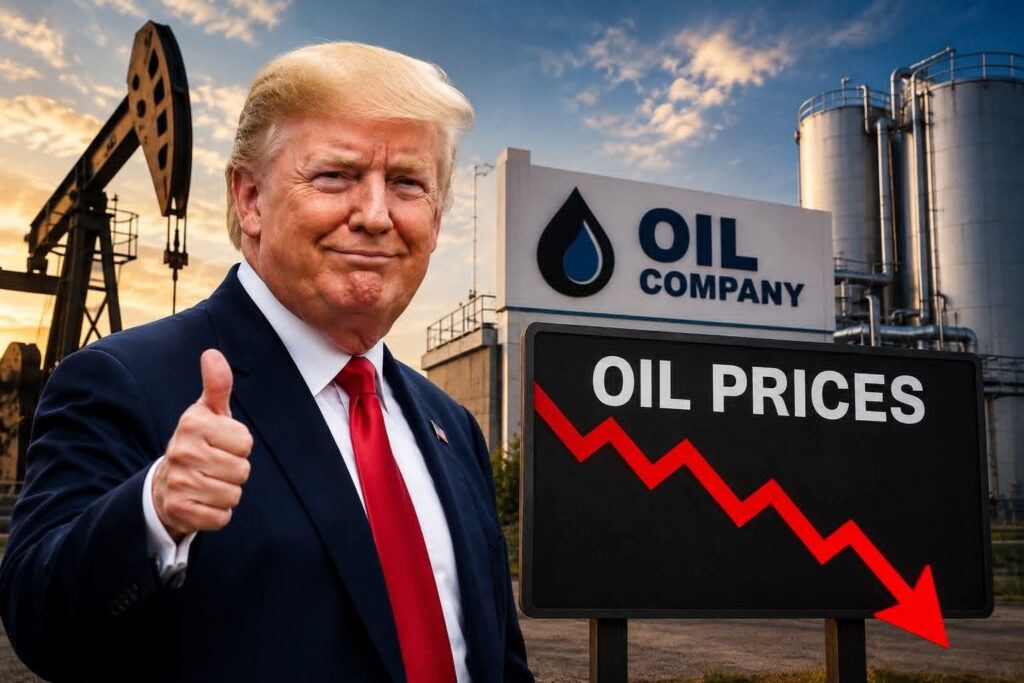
Oil prices reversed course hard after Trump’s announcement. Brent crude futures fell nearly 6% to $83.03 a barrel. West Texas Intermediate crude dropped more than 7% to $78.59 a barrel.
The pullback in energy prices also calmed inflation concerns. The benchmark 10-year Treasury yield slipped about 7 basis points to roughly 4.67%. Bond prices rose as a result.
Lower oil prices are not just numbers on a screen. They mean cheaper gasoline at the pump. They mean lower heating and transportation costs for households. They mean reduced input costs for American manufacturers and farmers.
For years under the previous administration, energy prices spiked while domestic production was constrained. Foreign policy drift increased global risk. Trump’s approach restores energy dominance at home. It also uses diplomatic leverage abroad to prevent supply shocks that punish working families.
Strong Start After Volatile July Points to Pivotal Week
The market’s strong start follows a volatile July. It begins what could be another important week for investors.
Attention now shifts to a series of labor market reports. Those reports will culminate Friday with the release of July’s nonfarm payrolls data and the unemployment rate.
Economists expect the U.S. economy added 87,500 jobs in July. That would mark an improvement from the 57,000 jobs added the previous month, according to FactSet estimates. The unemployment rate is projected to edge up slightly to 4.3% from 4.2%.
Stronger job growth combined with falling energy prices creates a favorable backdrop. It supports consumer spending and corporate earnings. That combination helps sustain market momentum.
Peace Through Strength Over Endless War
Some analysts urged caution. They warned that investors should not assume geopolitical tensions have fully disappeared.
Vital Knowledge founder Adam Crisafulli noted that markets have seen similar situations before. He suggested the conflict may still have further to go before reaching a lasting resolution.
That measured view is understandable. The Middle East has a long history of flashpoints.
Yet the more important signal came from the President. The United States will not be rushed into military action when diplomacy still has a chance. American economic interests will not be sacrificed for foreign theater.
This approach stands in clear contrast to previous foreign policy failures. Endless engagements and reactive military responses drained American resources. They delivered little lasting security.
Trump’s record emphasizes that strength deters aggression more effectively than weakness invites it. Calling off strikes while reopening talks keeps maximum pressure available. It also gives diplomacy room to work. Markets correctly interpret that combination as reducing immediate large-scale risk.
America First Economics Deliver Tangible Results
The August rally reflects broader confidence in the Trump administration’s focus. That focus remains on the fundamentals that matter most to ordinary Americans. Energy costs. Job growth. Inflation control. Market stability.
When oil prices fall, the benefits spread through the entire economy. Trucking companies, airlines, manufacturers, and households all gain breathing room. That relief supports higher consumer spending and stronger corporate margins. Higher margins support equity valuations.
Technology stocks leading the charge is especially telling. Growth companies are sensitive to both interest rates and global risk. Lower Treasury yields and reduced geopolitical premiums create a favorable environment. They support the innovative sectors that drive American competitiveness.
Meta’s sharp gain shows how quickly capital returns to U.S. growth stories once uncertainty recedes.
Looking Ahead With Clear Priorities
The coming week’s labor data will provide the next test of economic momentum. If job growth continues to firm while energy prices remain under control, the case for resilience strengthens further.
Trump’s decision on Iran removed one major source of potential inflation pressure at a critical moment. That is the practical definition of America First foreign policy. Every tool of national power — including the decision not to use force — is used to protect American prosperity.
Wall Street’s response on Monday was not blind optimism. It was a rational recognition that the President had removed an immediate risk weighing on energy markets and risk assets.
Investors who have watched Trump navigate complex international situations understand his approach. He prefers deals that serve U.S. interests. He rejects conflicts that primarily serve foreign agendas or domestic political posturing.
The Bigger Picture for American Strength and Prosperity
A strong stock market, falling oil prices, and rising confidence in American leadership form a virtuous cycle. Higher equity values support household wealth and retirement accounts. Lower energy costs free up disposable income for families. Stable geopolitical conditions reduce the volatility that deters long-term investment.
All of these outcomes flow from the same root principle. Put America first. Project strength without reckless escalation. Keep the focus on results rather than rhetoric.
President Trump’s decision to call off strikes and reopen talks with Iran delivered an immediate peace dividend. The broad rally across the Dow, S&P 500, and Nasdaq confirmed it. The sharp drop in crude prices confirmed it. The easing of Treasury yields confirmed it.
When American leadership prioritizes national interests and refuses to be dragged into avoidable conflicts, the economy and the markets respond. That is the America First standard in action. Monday’s trading session showed exactly why it works.

Benjamin Harris is a RapidReports front page contributor and editor,proud father of four.