Trump Peace Initiative Faces New Challenge as Israel Targets Hezbollah Strongholds in Lebanon
Israel carried out a new wave of military strikes across southern Lebanon on Tuesday, targeting what Israeli officials described as Hezbollah infrastructure and operational sites near the coastal city of Tyre.
READ MORE: NEW: Trump Brokers Deal: ‘All Shooting Will Stop’
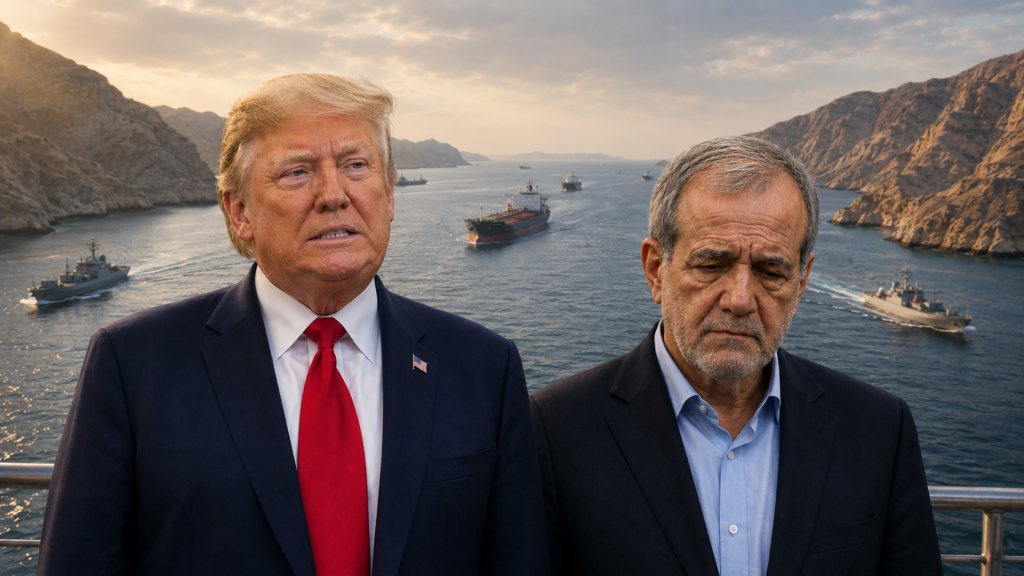
The operation comes at a critical moment for the Middle East, as President Donald Trump continues leading diplomatic efforts aimed at reducing regional tensions and securing a broader peace framework involving Israel and Iran.
Lebanese authorities reported multiple casualties following the strikes, while emergency crews worked through damaged areas to assist residents and assess the impact.
Israeli defense officials stated that the military action focused on Hezbollah positions that they claim were embedded within civilian areas. The Israeli government has consistently maintained that protecting its citizens from rocket and drone attacks remains a top national security priority.
Trump Signals Optimism on Peace Negotiations
Despite renewed military activity in Lebanon, President Trump expressed confidence that negotiations aimed at ending the wider regional conflict are making progress.
“We’re in the final throes of what will be a very, very good deal,” Trump said while discussing ongoing diplomatic talks involving Israel, Iran, and regional partners.
The administration has focused on several key objectives, including preventing further escalation, addressing concerns surrounding Iran’s nuclear activities, and ensuring the continued security of vital global energy routes such as the Strait of Hormuz.
Economic analysts have closely monitored the situation because stability in the region plays a major role in global energy prices, international trade, and broader economic confidence.
Hezbollah Remains a Major Security Concern
Israeli leaders have repeatedly emphasized that any diplomatic agreement involving Iran does not automatically resolve security threats posed by Hezbollah.
For months, exchanges of rocket fire, drone attacks, and military operations have continued along Israel’s northern border. Israeli officials argue that Hezbollah’s military presence near the border remains unacceptable and requires continued security operations.
The Israeli government has maintained that it will continue taking action against threats it believes endanger Israeli communities, regardless of broader diplomatic developments elsewhere in the region.
Regional Stability Remains a Key Objective
Trump administration officials have argued that long-term stability in the Middle East requires both strong security measures and effective diplomacy.
Supporters of the administration’s approach point to ongoing negotiations as evidence that sustained pressure combined with diplomatic engagement can create opportunities for lasting agreements.
At the same time, regional leaders continue working through complex issues involving security guarantees, military activity, energy markets, and economic cooperation.
Global Economic Implications
The conflict carries significant economic consequences beyond the region itself.
Investors, insurers, shipping companies, and energy markets are closely watching developments because instability in the Middle East can affect oil prices, supply chains, transportation costs, and overall economic growth.
A successful diplomatic resolution could provide greater certainty for global markets, while prolonged conflict could increase geopolitical risks and economic volatility.
What Happens Next?
While direct hostilities between Israel and Iran appear to have eased temporarily, the situation in Lebanon remains one of the most significant obstacles to a broader regional settlement.
President Trump continues to express confidence that negotiations can ultimately produce a durable agreement, but ongoing military activity underscores the challenges facing diplomats seeking to secure lasting peace.
For now, both diplomatic talks and military operations are unfolding simultaneously, leaving regional stability dependent on developments in the coming days and weeks.
Benjamin Harris is a RapidReports front page contributor and editor,proud father of four.