Senate Vote Gives New Momentum to Trump-Backed SAVE America Act Amid Immigration and Election Integrity Debate
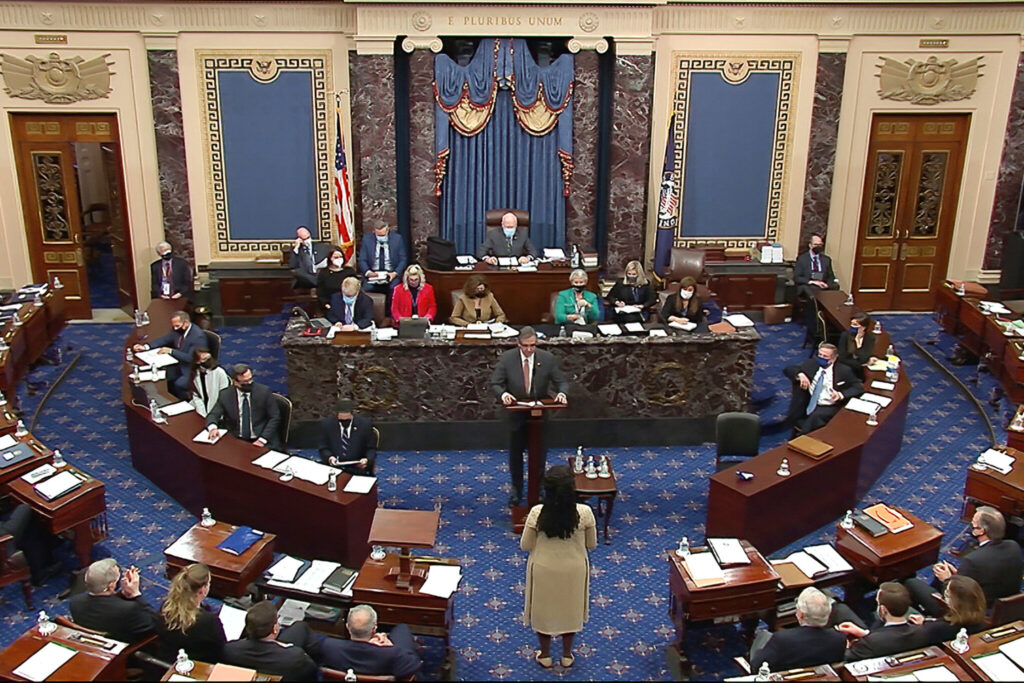
In a late-night Senate session marked by intense negotiations and multiple votes, Republican lawmakers revived momentum behind the SAVE America Act—a key election integrity proposal strongly supported by President Donald Trump and conservative allies.
The debate unfolded during an overnight “vote-a-rama” focused on a broader Republican-led immigration enforcement package valued at approximately $70 billion. Within that process, senators made two separate attempts to advance the SAVE America Act, a House-passed measure requiring proof of U.S. citizenship to vote in federal elections—an issue long championed by conservatives as central to restoring confidence in the electoral system.
MUST – SEE : New Leader In Key CA Race After More Ballots Counted
Although both attempts ultimately fell short of overcoming the Senate’s 60-vote filibuster threshold, Republicans viewed one of the outcomes as a meaningful step forward for the legislation.
Conservative Push Highlights Growing Divide in the Senate
Sen. Lindsey Graham (R-S.C.) initially introduced a revised amendment incorporating additional Trump-supported priorities, including restrictions related to biological males competing in women’s sports. That version faced resistance from a small group of senators across both parties.
Sens. Susan Collins (R-Maine), Lisa Murkowski (R-Alaska), Mitch McConnell (R-Ky.), and Thom Tillis (R-N.C.) joined Democrats in opposing the amendment, preventing it from advancing under Senate procedural rules.
However, a second effort led by Sen. Mike Lee (R-Utah) showed stronger support for the original SAVE America Act. Collins later shifted her position, allowing the measure to reach the 50-vote mark—a symbolic milestone that conservatives say reflects growing support for election integrity reforms.
“Zombie Filibuster” Criticism Gains Traction
With Vice President JD Vance available to break a tie, supporters of the bill argued the legislation would have advanced under a simple majority system, criticizing the Senate’s filibuster rules as outdated.
Sen. Mike Lee highlighted the outcome on social media, arguing that the measure had strong enough support to move forward if not for procedural barriers.
Supporters of reform frequently point to what they describe as a “zombie filibuster,” arguing that the rule allows legislation with majority backing to be blocked even when it has broad political momentum.
Ongoing Debate Over Senate Rules and Election Policy
Senate Majority Leader John Thune (R-S.D.) has so far resisted calls to change filibuster procedures or move to a talking filibuster strategy, citing concerns about long-term procedural instability and potential retaliation when control of the chamber shifts.
Republican senators remain divided on whether eliminating the filibuster entirely would strengthen or weaken their ability to govern in the future, even as pressure builds from some conservative factions.
Meanwhile, President Trump has continued to advocate for advancing the SAVE America Act, also criticizing the Senate Parliamentarian’s earlier ruling that prevented inclusion of the measure under budget reconciliation rules. Trump has argued that procedural interpretations are blocking what he describes as necessary election reforms.
Senate leadership has defended the parliamentarian’s role, noting that rulings have affected both parties over time and remain a standard part of Senate procedure.
Outlook: Momentum Builds but Roadblocks Remain
While the SAVE America Act did not clear the Senate, the late-night votes signaled renewed energy among Republican lawmakers and Trump-aligned conservatives. The stronger-than-expected support for the measure suggests that election integrity and immigration policy will remain central issues as the legislative debate continues.

Benjamin Harris is a RapidReports front page contributor and editor,proud father of four.