U.S. Responds to Iranian Aggression Following Apache Helicopter Incident Near Strait of Hormuz
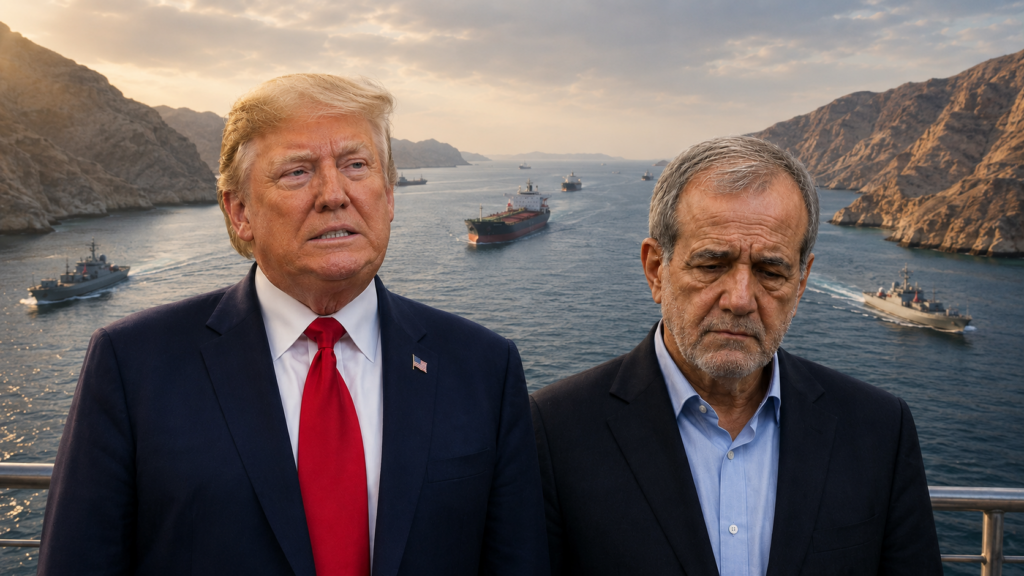
Tensions in the Middle East intensified on Tuesday after multiple explosions were reported in southern Iran near the strategically important Strait of Hormuz, following a U.S. military response to what American officials described as an unprovoked act of Iranian aggression.
Reports from Iranian media outlets and local sources indicated that several explosions were heard in areas surrounding Bandar Abbas, Sirik Port, and Qeshm Island in Hormozgan Province. While details remain limited, regional observers reported multiple blasts across the area.
MUST – SEE : U.S. Crew Rescued After Military Helicopter Goes Down Near Iran
According to U.S. Central Command (CENTCOM), the operation was launched at the direction of President Donald Trump in response to the reported downing of a U.S. Army Apache helicopter over the Strait of Hormuz the previous day.
“U.S. Central Command forces began launching self-defense strikes against Iran at 5 p.m. ET today at the Commander in Chief’s direction, in response to yesterday’s downing of a U.S. Army Apache helicopter,” CENTCOM said in a statement.
The military described the operation as a measured and proportional response designed to protect American personnel and deter further attacks.
President Trump defended the decision during an interview following the operation.
“This is a response to what they did with our helicopter last night,” Trump said. “I believe the response should be very strong, very powerful, and that’s what this one is.”
The Apache helicopter was reportedly conducting a patrol mission over the Strait of Hormuz on June 8 when it was brought down. President Trump stated that both pilots survived the incident and were successfully recovered.
“I have just been informed by our Great Military that last night the Iranians shot down one of our highly sophisticated Apache Helicopters while patrolling over the Strait of Hormuz,” Trump said. “There were two pilots involved, both are safe and uninjured. Nevertheless, the United States must, of necessity, respond to this attack.”
According to officials, both crew members were rescued through the use of advanced unmanned recovery technology.
CENTCOM emphasized that the operation was limited in scope and focused on defending U.S. forces while maintaining regional stability. Officials have not indicated whether additional military actions are currently planned.
The latest developments mark another significant escalation in a region already facing heightened security concerns. Earlier this week, Iran reportedly launched ballistic missiles toward northern Israel in response to Israeli military operations in southern Lebanon. Israeli defense systems intercepted all incoming projectiles, and no casualties were reported.
Israel subsequently carried out targeted retaliatory strikes against missile and drone-launch infrastructure, describing the operation as a direct response to Iranian actions and limited in scope.
As regional leaders monitor the situation, questions remain regarding whether Iran will pursue further escalation. Previous confrontations during the current ceasefire period have included attacks on military and infrastructure targets throughout the Gulf region.
The Trump administration has consistently emphasized a policy of deterrence and strength, arguing that a firm response to hostile actions is essential to protecting American personnel, allies, and vital international shipping routes such as the Strait of Hormuz.
With tensions continuing to develop, global markets and security analysts are closely watching for signs of either de-escalation or further military activity in the region.

Benjamin Harris is a RapidReports front page contributor and editor,proud father of four.