19 Republicans Defy Trump as House Rejects Key National Security Surveillance Extension
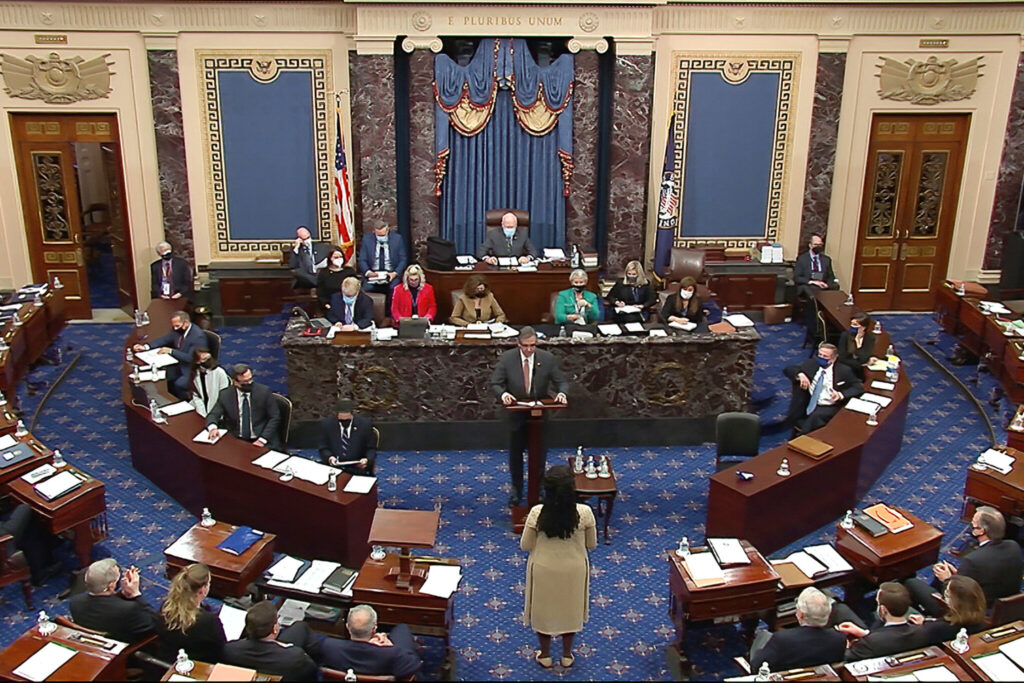
A group of 19 House Republicans broke with President Donald Trump on Thursday, helping block a short-term extension of a critical foreign intelligence program that administration officials say plays an important role in protecting America from terrorist threats, foreign adversaries, and national security risks.
Trump Warned Fox Reporter Hours Before U.S. Began Strikes On Iran
The vote dealt a setback to Trump’s push to temporarily extend Section 702 of the Foreign Intelligence Surveillance Act (FISA), a program widely used by U.S. intelligence agencies to monitor foreign communications linked to potential threats overseas.
[poll id=”4″]
The measure failed by a vote of 218-198, falling short of the two-thirds majority required for passage.
Trump Warned of Security Risks Ahead of Major Events
Just one day before the vote, President Trump publicly urged lawmakers to support a temporary extension of the program.
In a message posted on Truth Social, Trump argued that maintaining intelligence capabilities is especially important as the United States prepares to host major international events, including the FIFA World Cup and America’s 250th anniversary celebrations.
Trump emphasized that national security agencies must have the tools necessary to identify potential threats before they reach American soil.
Supporters of the extension argued that allowing the program to lapse could create unnecessary intelligence gaps at a time of growing global instability.
What Is Section 702?
Section 702 allows U.S. intelligence agencies to collect communications involving foreign individuals located outside the United States who are believed to possess information relevant to national security.
The program is used by agencies including the FBI, CIA, NSA, and other intelligence organizations to monitor terrorist networks, foreign governments, cyber threats, and hostile actors operating overseas.
National security officials have repeatedly described Section 702 as one of the government’s most valuable intelligence tools for preventing attacks and tracking foreign threats.
Why Some Conservatives Oppose It
Despite Trump’s support for a temporary extension, a number of conservative lawmakers voted against the measure, citing long-standing concerns about privacy protections and government surveillance powers.
Critics argue that intelligence agencies have, at times, improperly accessed information involving American citizens and that stronger safeguards should be implemented before any reauthorization is approved.
Many of the Republicans opposing the extension have consistently supported reforms aimed at increasing transparency, strengthening constitutional protections, and limiting potential government overreach.
Their opposition reflects an ongoing debate within the conservative movement between national security priorities and civil liberties concerns.
Republicans Who Voted Against the Extension
The following Republican lawmakers voted against the temporary FISA extension:
- Lauren Boebert
- Josh Brecheen
- Tim Burchett
- Eric Burlison
- Kat Cammack
- Michael Cloud
- Andrew Clyde
- Eli Crane
- Warren Davidson
- Troy Downing
- Russ Fulcher
- Paul Gosar
- Harriet Hageman
- Mike Kennedy
- Thomas Massie
- John Rose
- Chip Roy
- Michael Rulli
- Keith Self
A Dividing Issue Within the GOP
The vote highlights one of the few major policy areas where divisions continue to exist within the Republican conference.
While most Republicans support aggressive action against terrorism, foreign espionage, cyberattacks, and hostile foreign governments, disagreements remain over how intelligence authorities should be balanced against constitutional privacy protections.
Many Trump supporters find themselves supporting both goals: maintaining strong national security capabilities while ensuring that government agencies remain accountable and respect Americans’ civil liberties.
What Happens Next?
With the House rejecting the short-term extension, Congress now faces increased pressure to reach an agreement before Section 702 expires.
National security officials have warned that any interruption could hinder intelligence operations targeting foreign threats, while reform advocates continue pushing for stronger oversight measures.
As lawmakers debate the future of the program, the challenge will be finding a solution that protects both America’s security and the constitutional rights of its citizens.
For President Trump, the vote represents another example of the balancing act facing conservatives as they seek to strengthen national security while preserving individual freedoms.

Benjamin Harris is a RapidReports front page contributor and editor,proud father of four.